



Before you decide on a wheel loader rental, you need to look at various technical and practical aspects. This helps guarantee good productivity and sensible cost control. Every job brings its own set of needs. Matching the machine’s features to these needs is key to getting the best results.
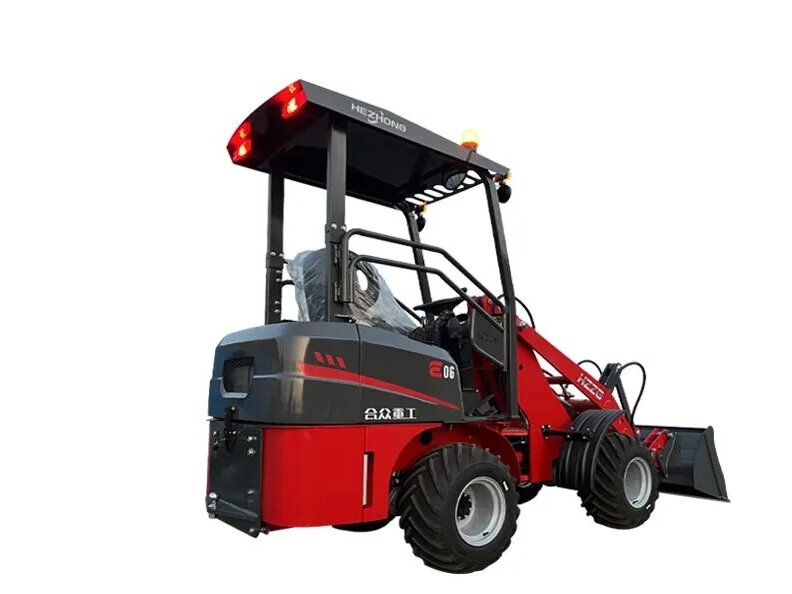
Project Requirements and Equipment Specifications
The initial action involves checking the exact tasks for moving materials. If the job includes digging earth, loading gravel, or dealing with waste, the wheel loader‘s setup needs to fit the work’s range. Bucket size and motor strength play a direct role in how quickly cycles happen and how well fuel is used. That makes them vital choices for picking the right one. Ground features, like tight city areas or rough land, further decide if a small, average, or tough model works best. Picking a machine that’s too small or too big often brings wasted effort and extra expenses.
Duration and Frequency of Use
How long you rent greatly shapes the total value for money. Brief rentals work well for jobs with short schedules or spotty machine demands. In contrast, extended deals usually give more savings for ongoing tasks. Builders must also consider possible idle time when changing gear between sites. Tracking operating hours keeps you within agreement boundaries. Plus, it avoids extra fees from going over the limit.
Rental Provider Support and Service Availability
A solid rental company ought to supply full upkeep plans. These cut down the chance of failures while the machine runs. Having service right at the location or fast swap choices is important for keeping the work flow smooth. In vital building work or jobs with tight deadlines, round-the-clock tech help makes sure problems get fixed quickly. And it does so without delaying the schedule.
How Do Rental Costs Compare to Equipment Ownership?
Looking at the expense setups for leasing versus buying loaders aids groups in choosing smart money moves that fit their work styles.
Initial Investment vs. Operational Flexibility
Leasing removes the big starting money outlay often needed to buy gear. Such a method lets firms direct funds in a smarter way. At the same time, it keeps options open for adjusting the number of machines based on job needs. It lessens the worry over value loss too. That’s because holding the gear shifts upkeep and selling duties to the renter, not the user.
Maintenance and Repair Responsibilities
Many wheel loader lease deals cover routine checks as part of the package. This setup lowers surprise fix bills. It also keeps steady output over the whole lease time. Users gain from steady money planning. Since big fix costs fall on the leasing firm, they don’t hit the job’s budget right away.
Long-Term Financial Impact
For builders in steady tough work, buying could bring stronger gains over time. This holds true after the value drop balances out with regular use levels. Yet, firms handling uneven or yearly jobs find more money freedom in leasing. They skip the cost of unused machines in slow seasons.
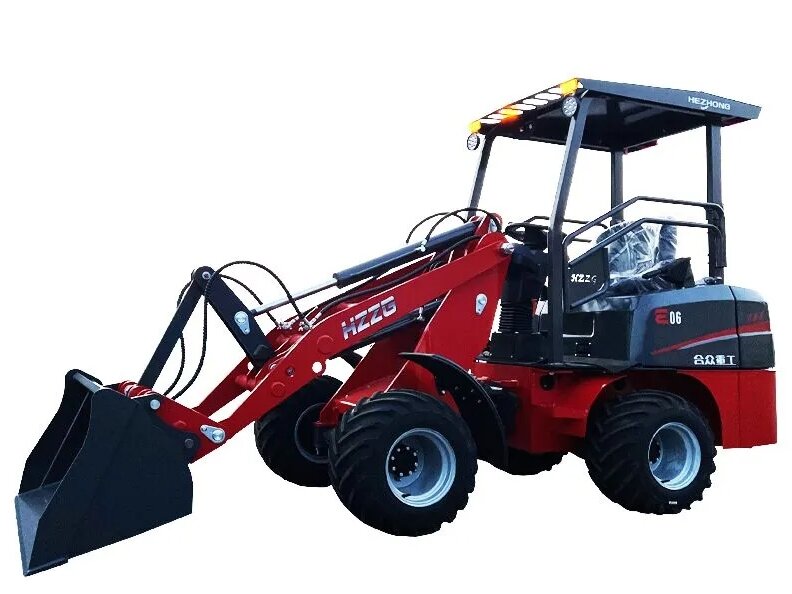
Which Type of Wheel Loader Best Fits Specific Construction Needs?
Picking the proper wheel loader type relies on linking the gear’s traits to the site’s particular issues and output aims.
Compact Wheel Loaders for Confined Workspaces
Small wheel loaders suit jobs in city settings where easy handling matters a lot. Their compact build permits smooth work in narrow spots. Meanwhile, it limits damage to delicate ground. These units use less gas than bigger ones. Thus, they aid in keeping work green.
Medium Wheel Loaders for General Construction Tasks
Average loaders find a good middle ground in strength and adaptability. That fits them for everyday building jobs like paving roads, digging stone, or shifting large loads. They provide fair lift power for various uses. And they don’t sacrifice handling ease or gas savings.
Heavy-Duty Wheel Loaders for Industrial Applications
Tough loaders get built for hard factory settings, like mine work and big building projects. Their sturdy builds, strong push power, and better lasting quality allow good management of thick stuff in harsh setups.
How to Choose a Reliable Wheel Loader Rental Supplier?
Choosing a dependable seller guarantees steady gear standard, on-time drop-off times, and reliable post-use aid. All these affect the job’s overall smooth running.
Evaluating Supplier Reputation and Certification
As you check sellers, focus on ones with proven field approvals and fitting certificates like ISO or CE marks. Good user reviews point to trustworthiness in how the gear works and the aid quality.
Availability of Modern Equipment Fleet
A good seller keeps a fresh set of machines with up-to-date fluid setups, tracking tech for oversight, and motors that follow latest pollution rules like Tier 4 or Stage V levels. Getting hold of current tech boosts gear output. It also backs green goals in building jobs.
Transparent Contract Terms
Openness in deal wording shields users from surprise charges or duties down the line. Main points, like lease prices, coverage for risks, fault clauses, drop-off plans, and comeback rules, need clear spelling out before you sign on.
Why QINGDAO HEZHONG MACHINERY MANUFACTURING CO., LTD Is a Trusted Partner in Wheel Loader Supply?
QINGDAO HEZHONG MACHINERY MANUFACTURING CO., LTD has earned a solid name as a worldwide supplier of strong wheel loaders made for tough building spots. The firm’s stress on exact building work guarantees solid form under big weights. At the same time, it improves power use over its line of goods. Its follow-up aid web offers quick tech help around the world. This keeps stoppages low while jobs go on. Since custom gear fixes come on ask, QINGDAO HEZHONG keeps helping builders who value steadiness, steady work, and expert backing all through their machine life.
What Are Common Challenges in Managing Rented Construction Loaders?
Even though wheel loader leases bring ease benefits, good handling methods are vital to cut work hitches that might pop up in action.
Equipment Downtime Management
To stop pricey hold-ups from gear problems, builders ought to do checks before starting at every spot. Keeping clear talk lines with lease firms about check times aids in spotting service wants early. Holding key backup pieces ready via planned seller ties cuts further the chance of stoppages in busy work.
Operator Training Requirements
How well drivers know the gear straightly shapes its lasting time and safe results at the site. Making sure drivers have right papers matching area safety rules stands as basic step. Giving update lessons before using fresh types builds better knowledge of exact handling setups. If on hand, tracking info can help watch driver habits. This lets you spot spots where more lessons could lift output or cut upkeep costs from wear.
Conclusion: Maximizing Efficiency Through Strategic Wheel Loader Rentals
Wheel loader leases offer a solid plan for mixing careful money sense with work nimbleness in today’s building lead setups. Through close checks of job details, weighing buy against lease costs, picking trusted sellers like QINGDAO HEZHONG MACHINERY MANUFACTURING CO., LTD., and holding firm talk over the whole deal time, builders can gain lasting output boosts. Meanwhile, they cut down risk ties linked to holding assets.
FAQs About Wheel Loader Rentals
What is typically included in a wheel loader rental agreement?
Common deals cover simple upkeep work plus risk coverage picks if needed. They set use caps in run hours each month. They also cover drop-off plans and comeback rules at lease end.
Can rented wheel loaders be customized with attachments?
Yes, many sellers offer matching add-ons like prongs for stack work, grabs for tree jobs, or blade tools for cold weather tasks. These depend on what the work calls for when you book.
How can I ensure I’m renting energy-efficient equipment?
To check green power fit before sealing the lease deal, ask for papers showing match to pollution rules like Tier 4 Final or Stage V marks from rule bodies. Get maker gas use test facts too. These show real site output numbers under like load setups.


