



Electric forklifts have evolved significantly over the past decade. They have changed from light-duty warehouse tools into strong machines. These machines can handle tough industrial and construction tasks. For workers using construction loaders, questions often arise. They wonder if electric forklifts can equal the strength of internal combustion (IC) models. Yet, tech advances have reshaped what electric powertrains can do. This includes better torque, lasting strength, and work efficiency.
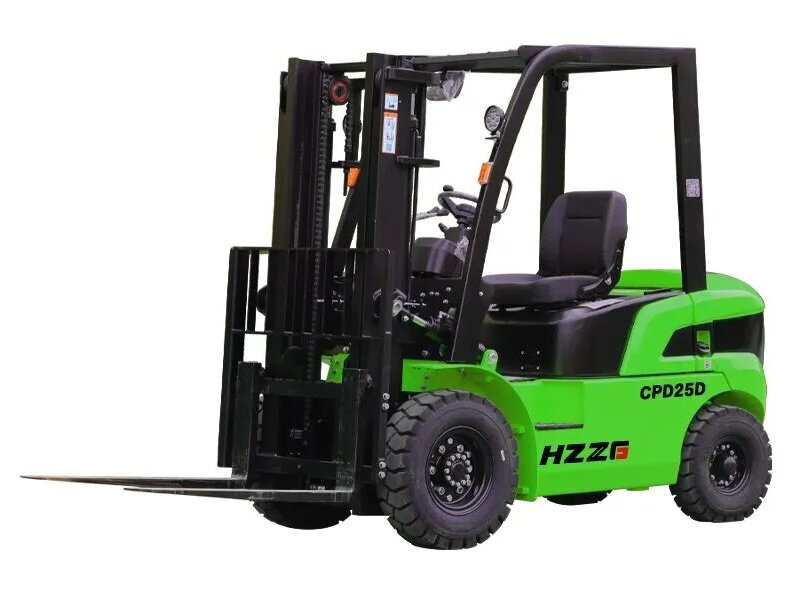
Comparing Power Output and Torque
Current electric forklifts give steady torque at slow speeds. This feature is vital for careful material handling on construction sites. There, workers need to place heavy items exactly. IC engines build torque based on revolutions per minute (RPM). Electric motors, however, offer quick torque from a stop. As a result, they ensure even acceleration and improved load control. New battery setups now supply ongoing power. This matches diesel or LPG models. Operators can lift heavy loads without power drops over time. Plus, regenerative braking systems turn motion energy into electrical energy when slowing down. This boosts overall energy use while keeping lifting power strong.
Performance in Heavy-Duty Environments
Today’s electric forklifts use powerful drive motors and sturdy frames. These designs make them fit for rough settings like construction sites. Their bodies can take bumpy ground and quick turns. This suits construction loader work. Large lithium-ion batteries support long runs between charges. They often last a full shift based on task demands. Such progress shows that electric forklifts can keep up with or even beat combustion types. They do this in steady power supply and lasting build quality.
How Do Maintenance Requirements Differ from Traditional Forklifts?
Moving from IC to electric forklifts brings worries about upkeep details. In truth, electric models make maintenance easier. They have a simpler mechanical setup.
Key Differences in Maintenance Components
Electric forklifts have fewer parts that move than diesel or LPG ones. This lowers the chance of breakdowns. They skip oil changes, fuel filters, or engine checks. These are common jobs that raise costs in IC types. Instead, upkeep focuses on checking electrical parts and battery condition. New battery management systems watch key data automatically. They track heat, voltage levels, and charge counts. This helps avoid stops before problems grow.
Long-Term Cost Efficiency
The basic design leads to lower total cost of ownership (TCO). With less need for supplies and rare repairs, firms see cut expenses over years. Newer models include predictive maintenance tools. These use diagnostic software to spot wear or issues early. Thus, they improve trust in the equipment. They also stretch time between services. This raises active time and output in fleets for warehousing or construction loader uses.
Are Electric Forklifts Suitable for Outdoor or Harsh Environments?
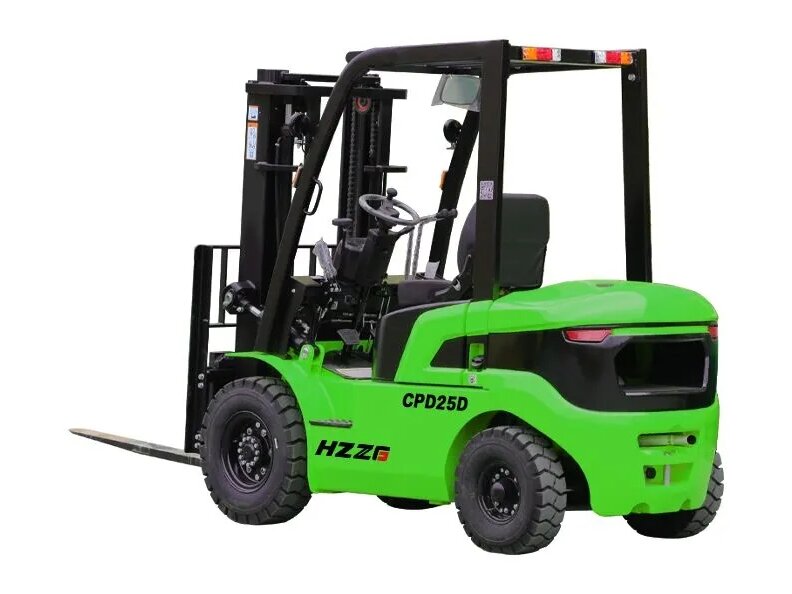
A common wrong idea is that electric forklifts work only indoors. People think they can’t handle weather or rough ground well. But fresh designs have widened their use in many outdoor spots.
Environmental Adaptability
Builders now create electric forklifts with closed electrical parts. These guard against dust and water entry. Such protection is key for outdoor jobs on construction sites or loading areas. Special tires with deep patterns give better grip on loose gravel or bumpy spots. Improved suspension setups add steadiness when moving loads. Lithium-ion batteries that resist temperature changes keep steady work in very hot or cold weather. So, they run without breaks no matter the conditions.
Operational Flexibility Across Applications
Models for outdoors meet IP protection rules for tough industrial places. There, gear faces weather often. Mixed charging options, like portable quick chargers, allow easy power add-ons at far-off work areas. No fixed setup is needed. Links to telematics tools let managers check gear work from afar. This helps in big operations like shipping centers or spread-out construction jobs.
Is Battery Life a Limiting Factor in Continuous Operations?
Battery length and charge speed once blocked wide use of electric forklifts. This was true in steady-work fields like making goods and construction shipping. Now, new tech has fixed most of these issues.
Advances in Battery Technology
Lithium-ion tech has changed forklift power systems. It offers quicker charge times. For example, batteries hit 80% full in about an hour. They also have much longer life spans than old lead-acid types. These batteries handle 3,000–5,000 charge cycles if cared for right. They give years of reliable service under hard use. Short charge breaks let workers top up without harm. This is a big plus for shifts that need almost constant work. Smart energy controls adjust power based on live needs during busy times.
Efficient Energy Management Practices
Setting up regular charge plans ensures top daily work while easing battery stress. Many places use battery swap methods. These let quick changes in minutes at shift ends. Thus, they cut charge-related stops almost to zero. Tracking software gives clear reports on use patterns and charge success. It helps leaders adjust plans for best energy use in fleets with construction loaders or other big tools.
Why Choose QINGDAO HEZHONG MACHINERY MANUFACTURING CO., LTD as Your Electric Forklift Partner?
QINGDAO HEZHONG MACHINERY MANUFACTURING CO., LTD leads worldwide in making strong electric forklifts. These suit hard sectors like shipping hubs, factories, storage areas, and construction loader needs. The firm’s build approach mixes exact work with new tech. The goal is to boost green practices and steady operation.
Commitment to Quality and Innovation
The company puts a lot into research and growth efforts. These aim to better products as market needs change. Every forklift gets strict quality checks. They meet global safety rules and give top work in real settings. Full after-sales help includes tech advice, part supplies, and worker training. This builds strong customer trust over the gear’s life. With a solid worldwide sales network, QINGDAO HEZHONG promises fast shipping and local support in many areas.
Conclusion
Electric forklifts mark a key step in material handling tech. They blend care for the environment with solid strength once only for internal combustion machines. Their skill in giving high torque at low speeds fits well with exact tasks like those of construction loaders. Easy upkeep cuts running costs. Plus, better lithium-ion batteries lengthen work time without losing trust or steady output in tough settings. As industry rules move to greener ways, using new electric forklifts helps firms raise work levels. It also matches goals for lasting practices key to ready-for-tomorrow industries.
FAQs
What are the main advantages of switching to electric forklifts?
Electric forklifts cut emissions a lot. They run quietly unlike combustion options. They lower upkeep costs with fewer moving parts. Also, they provide steady torque for careful load work in many fields including construction loaders.
How long do modern lithium-ion forklift batteries typically last?
Lithium-ion batteries usually last 3,000–5,000 charge cycles. This depends on how hard they are used and if proper care like even charging and heat control is followed.
Can electric forklifts be customized for specific industrial applications?
Yes, makers like QINGDAO HEZHONG MACHINERY MANUFACTURING CO., LTD offer many change options. These include varied load limits, special add-ons for unique needs, better weather guards for outside work, and built-in tracking tools. They fit exact field wants like shipping improvements or heavy item moves in building areas.


