



Getting the most out of truck loading tasks using a wheel loader means blending accuracy, forethought, and hands-on know-how from the operator. How well the gear works alongside the setup at the site shapes the way goods get shifted around. This setup affects output and how much fuel gets used up.
Machine Positioning and Approach Angle
Getting the wheel loader in the right spot next to the truck is key to cutting down on how far it has to go. Place the loader at a slant that makes it easy to go back and forth from the pile to the truck’s cargo area. Keeping the same slant every time cuts down on extra wear on the tires. It also lowers fuel use and makes each round more regular. Keeping the ground flat helps the machine stay steady in every pass of loading. This matters a lot with heavy or bumpy loads. Operators need to steer clear of too much twisting or backing up. Those moves just stretch out the time for each cycle.
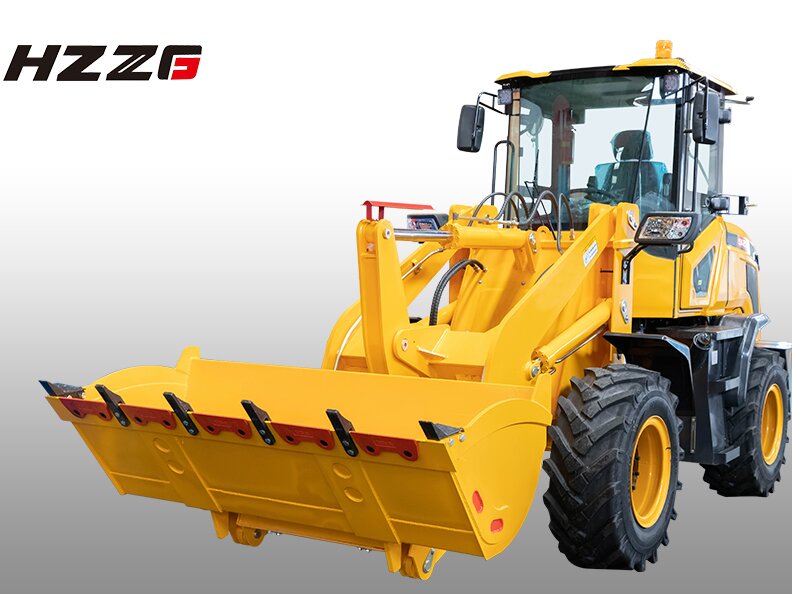
Bucket Fill Techniques for Maximum Efficiency
Filling the bucket stands out as a main part in hitting the best load rounds. Guiding the bucket into the pile of stuff in a steady way gets the most in there. It avoids spills or too much pushback. Putting too much in raises how much fuel burns. Plus, it throws off the machine’s steadiness. It might even cause stuff to drop out on the way. Tilting the bucket just right keeps the load safe as it heads to the truck. Operators with good skills mix raising and pulling back the bucket. They do this to get the fullest possible while keeping things balanced.
Cycle Time Optimization Strategies
Shortening the time for each cycle has a big effect on how well loading goes. Operators ought to cut back on downtime between digging and unloading. They can achieve this through careful planning of their paths. Mixing brief trips with easy shifts from raising, moving, and unloading cuts out extra waits. Working in sync with the truck drivers counts just as much. Clear back-and-forth talk stops hold-ups. It also keeps the work running smoothly right on the spot.
How Can Operators Enhance Productivity Through Better Equipment Control?
The skill of the operator in handling hydraulic functions, traction control, and power distribution systems sets the tone for total output in truck loading tasks.
Leveraging Advanced Control Systems
Today’s wheel loaders come with smart control setups. These aid operators in speeding up their rounds. Systems that level the bucket on their own keep the bucket straight during raises. This cuts spills and boosts precision in filling trucks. Picking the right power settings based on how thick the material is—like gravel compared to sand—makes sure energy goes to good use. It avoids pushing the engine too hard. Adding telematics takes performance watching to the next level. It gives live info on fuel burn, wait times, and round numbers.
Improving Operator Habits for Consistent Performance
Running things smoothly relies on steady ways of controlling. Keeping the engine speed even helps save fuel. At the same time, it gives enough hydraulic power for raises. Making lift and tilt happen together leads to easier changes from digging to unloading. This lessens sudden shifts in weight that might unbalance the machine. Operators should skip quick jerks on the joystick too. Those put stress on hydraulic parts and speed up damage.
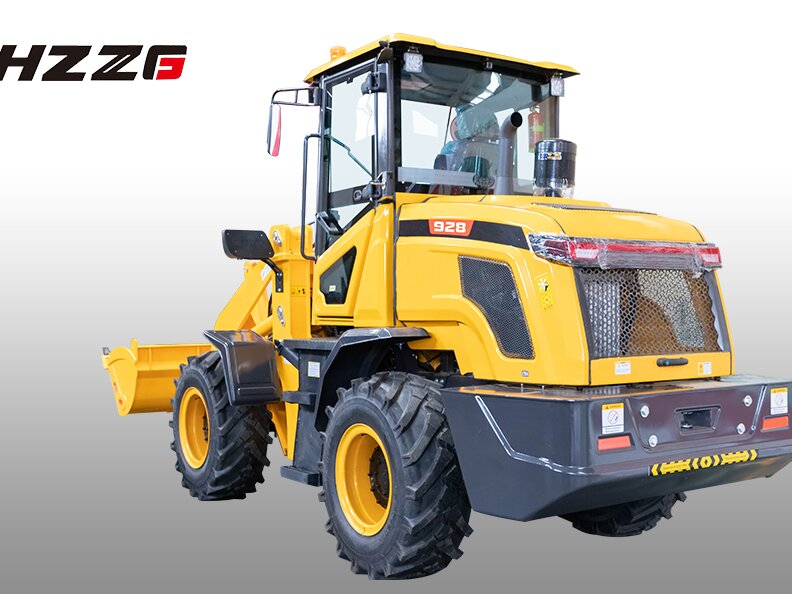
What Role Does Site Layout Play in Enhancing Loading Efficiency?
How equipment, trucks, and piles are set up affects the smooth run of tasks and safety rules at the job site.
Designing an Effective Work Zone Layout
A smart plan for the site cuts down on extra distance the loader travels. Yet it keeps room to move freely near trucks. Put piles near enough for fast reaches. But space them out enough for safe turns by loaders and trucks alike. A smooth, even work space stops material from spilling as it moves from pile to truck bed. On top of that, paths for people on foot have to stay apart from machine paths. This keeps everyone following safety guidelines.
Coordinating Truck Flow Management
Managing truck traffic means timing arrivals to avoid jams at load spots. Setting up line-up methods guarantees steady work flow. It does so without trucks sitting empty for loads. Giving out certain load orders based on truck size or where it’s headed improves timing for sends over many trips. Live talk via radio or online tools helps match up operators and drivers. This holds things running well over full work periods.
How Can Maintenance Practices Improve Wheel Loader Performance During Truck Loading?
Regular upkeep habits protect the machine’s dependability and stretch out how long parts last—both crucial for non-stop truck loading work.
Routine Inspection Procedures
Checks every day before starting help spot problems soon. Looking at tire air keeps grip solid; checking hydraulic fluid keeps the system quick; eyeing link points stops surprise breaks under heavy pull. Edges on buckets that wear out cut how much fills; so swapping them often holds output steady. Watch cooling setups up close too. This stops heat build-up in long runs.
Preventive Maintenance Scheduling
Makers give out time frames for service that need strict following for filters, oils, and main moving parts. Running check programs helps catch early wear on parts before they quit, cutting surprise stops. Holding full records of upkeep lets you track patterns as time goes. That info helps guess when to swap parts or plan big fixes in a smart way.
Why Is Operator Training Essential for Achieving Higher Loading Productivity?
Even top wheel loaders depend a lot on trained people to run well in tough spots like build sites or rock pits.
Skill Development Through Continuous Learning Programs
Ongoing lessons boost safety sense and work output for those running loaders. Practice setups with simulators let fresh operators try real-like situations. They do this without chance of harming gear or getting hurt. Update classes on ways to trim cycle times aid pros in sharpening their ways. Pushing group share times builds swapping of top tips among the crew.
Safety Awareness as a Component of Productivity Training
Safety ties right into output because mishaps bring stops and harm to gear. Operators have to do checks before work each day. This is part of their daily duties to make sure everything works right prior to beginning. Using seatbelts properly, plus safe ways to get in and out of the cab, lowers hurt chances over work hours. Spotting signs of tiredness matters just as much. Less focus can mess up handling in key moves like unloading or backing close to trucks.
How Does QINGDAO HEZHONG MACHINERY MANUFACTURING CO., LTD Support Efficient Truck Loading Operations?
QINGDAO HEZHONG MACHINERY MANUFACTURING CO., LTD stands out as a trusted provider of wheel loaders built for toughness, exact handling, and ease for the operator—main factors that add straight to good truck loading results in fields around the world.
Product Reliability and Engineering Excellence
The company puts out various wheel loaders made with strong hydraulic setups. Such units give quick power sharing needed for quick rounds in loading trucks amid different setups. Builds aim at easy-to-use controls that ease strain on operators in drawn-out hours. The firm’s build method stresses solid build through tough test rules. This guarantees lasting steadiness even in hard-use cases.
After-Sales Support and Technical Assistance
It gives full upkeep lesson plans for customer tech groups. Such forward help gives buyers the know-how to keep machines at top shape through their full use span. It brings fast reach to replacement parts via worldwide supply lines. Speedy part gets cuts stop risks from part breaks in ongoing jobs. It also brings live tech help focused on cutting stop times.
Conclusion: Building Sustainable Efficiency in Wheel Loader Operations
Raising output in truck loading needs more than strong machines—it calls for able operators using polished methods in well-set site plans backed by ahead-of-time upkeep plans and solid providers like QINGDAO HEZHONG MACHINERY MANUFACTURING CO., LTD. They grasp the on-ground work hurdles that experts face each day with wheel loaders.
FAQs
1. What is the ideal bucket size when using a wheel loader for truck loading?
The best bucket size hinges on the truck’s hold, how packed the material is, and the loader’s build details; lining these up makes even loads without pushing the machine too far.
2. How often should wheel loader operators perform maintenance checks?
Operators need to run daily eye checks before every shift. At the same time, they should stick to weekly or monthly ahead upkeep times suggested by the maker.
3. Can telematics really improve wheel loader productivity?
Yes, telematics offers useful looks at fuel use, wait periods, round lengths, and operator ways—info that gets reviewed to bring in aimed boosts in output.


