



Electric forklifts have become essential in today’s material handling tasks. They offer a good mix of power, eco-friendliness, and money savings. Adding them to modern fleets fits with the worldwide move to energy-saving factory methods. This also cuts down on harm to the environment. As shipping and storage areas adopt more automation and electric power, electric forklifts stand out as a smart choice. Companies pick them for better work results and to meet green rules.
Key Operational Advantages of Electric Forklifts
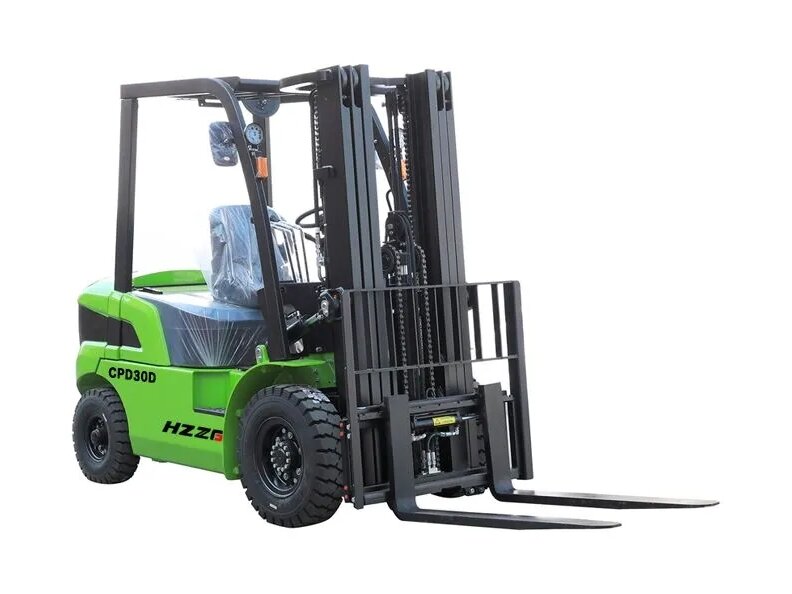
Electric forklifts provide steady power during their work periods. They keep up good performance even when battery charge drops. This steady output gives operators more trust and boosts safety. Compared to internal combustion (IC) types, these units shake less and make less noise. As a result, they create calmer work spaces. This helps with better talking among staff and less tiredness for drivers.
These machines need far less upkeep. That’s because they have fewer parts that move. There are no needs for engine oil, gear fluid, or exhaust parts to fix. This simple setup means fewer issues and longer times between checks. Plus, their smaller size lets them turn easily in tight storage paths. It allows for more packed shelves and smoother daily tasks.
The Role of Energy Efficiency in Fleet Optimization
Energy saving is a main plus for electric forklifts. Their battery setups skip the use of gas fuels. This cuts fuel bills and removes the need for gas station setups. Many new electric forklifts use regenerative braking. This tech grabs back energy lost when slowing down. It sends that energy back to the battery. So, it makes batteries last longer. It also improves how well energy gets used.
Over many months, the total savings from less fuel use and better energy pickup add up. They lead to big money cuts for the whole group of machines. Also, adding smart charge controls helps. Fleet bosses can set charging for quiet times when power is cheap. This boosts money savings even more. It matches larger plans for better energy use.
How Do Electric Forklifts Contribute to Sustainability Goals?
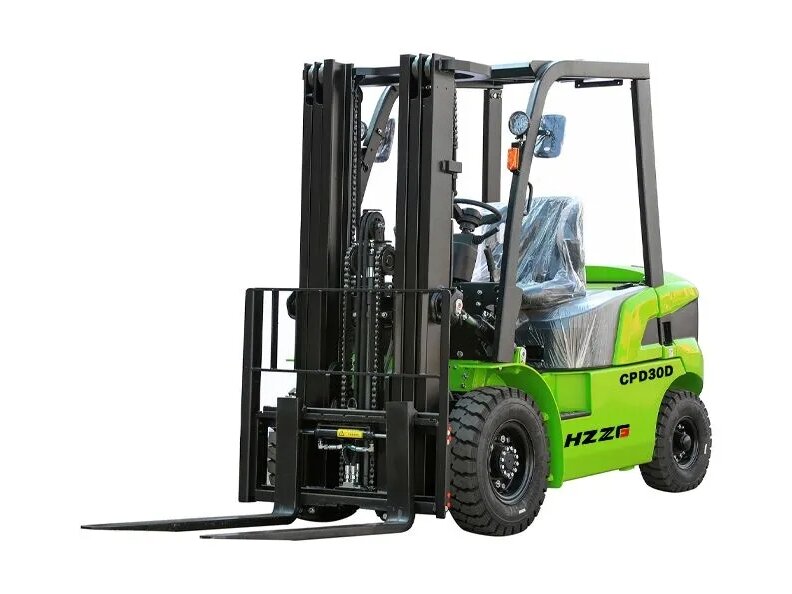
Green practices now sit at the heart of business plans in many fields. Electric forklifts help these aims right away. They cut down on pollution and make work areas healthier. At the same time, they show a firm’s promise to smart use of resources.
Environmental Impact Reduction Through Electrification
Switching to electric power ends all smoke from the back of the machine. It keeps air clean in storage buildings and shipping spots. Those places often have poor air flow. This no-smoke running greatly betters air quality inside for staff. It also shrinks the total carbon mark from shipping work. Lower sound also aids job safety. Operators can hear and see what’s around them better.
New steps in green battery tech, like lithium-ion types, make the case stronger for electric forklifts. These batteries aim for longer use times. They charge quicker and can be recycled at the end. This fits with loop economy ideas that many firms focus on now. They do this under their green duty plans.
Supporting Corporate ESG Strategies
Using electric forklifts shows real steps toward Environmental, Social, and Governance (ESG) aims. Moving from IC motors to electric drive helps meet goals for less pollution. Those goals come from firm green plans. On top of that, firms using clean tech often get better views from key people. Those people care about care for the earth.
Besides good name gains, following rules gets simpler. That’s as world governments make stricter limits on pollution from factory gear. Putting electric forklifts into ESG reports gives hard numbers. They show active moves to cut carbon use. This is a big point that money backers and rule watchers check more now.
How Does the Total Cost of Ownership Compare Between Electric and Internal Combustion Forklifts?
Upfront costs for electric forklifts might run higher than IC ones. But looking at full life costs shows clear wins for electric types. We check all ongoing costs here. That includes fuel use, fix times, lost work time, and end value. In the end, going electric brings strong money perks over years.
Long-Term Financial Benefits of Electrification
Electric forklifts skip the steady cost of buying diesel or LPG fuel. Power from the grid usually runs cheaper per work hour than liquid fuels. So, savings start right away when you use many at once. Electric drive parts have fewer bits that wear out. Things like belts or gears don’t break as much. Thus, fix bills stay low all through the machine’s life.
Strong battery setups with solid electric controls make gear last longer than old types. The starting spend gets paid back by years of steady work. There is little surprise stop time or big repair tabs.
Productivity Gains from Reduced Downtime
Steady running matters a lot in busy spots like making plants or shipping centers. Electric forklifts do well here. They have reliable work patterns and easy fix habits. Motor problems seen in IC machines almost go away.
Systems for quick battery swaps or short charge breaks let drivers keep going without long fuel stops. When you add tools for guessing fix needs, like on-board trackers or digital watchers, bosses get live views of machine health. This keeps top running time for all work shifts.
What Operational Factors Should Be Considered Before Adding Electric Forklifts?
Moving a group of machines to electric needs good planning. It must fit with current setups and daily flows. A few work points need a close look before bringing in electric forklift tech on a big scale.
Infrastructure Readiness for Charging Systems
Power supply is a top thing to think about when adding many charge spots in a building. Checking electric capacity makes sure that charging at the same time won’t overload wires. It also won’t mess with other tasks. Setting up charge times that match work shifts stops lost time. At the same time, it makes best use of machines.
For places that run non-stop or handle lots of goods, fast-charge tech might be key. It keeps work flowing without breaks. Well-planned setups help grow as the machine group gets bigger over time.
Operator Training and Safety Adaptations
Drivers moving from IC types need full training. It should cover good battery care habits. This includes safe charge steps and quick fix plans for electric issues. Buildings should add air flow steps during charging if needed. This cuts risks from gas build-up in some battery kinds.
New electric forklift designs have easy-to-use controls that fit the body well. They cut body stress in long work days. In the end, this raises total output through driver ease and sure handling.
Why Choose QINGDAO HEZHONG MACHINERY MANUFACTURING CO., LTD as Your Electric Forklift Supplier?
QINGDAO HEZHONG MACHINERY MANUFACTURING CO., LTD shines as a top provider. It is known for careful building and new tech in the goods moving field. Their electric forklifts mix tough builds with smart control setups. These aim for top trust in hard work settings.
The firm’s strong focus on quality checks brings steady work in many factory uses. From storage shipping to big making spots, it fits well. With full help for buyers from advice to after-buy fixes, QINGDAO HEZHONG MACHINERY MANUFACTURING CO., LTD is a great match. It suits groups aiming to update machine lines with a focus on good output and green ways.
Conclusion: How Can Electric Forklifts Transform Fleet Performance?
Adding electric forklifts to work machine groups changes how things run. It blends good output with care for nature. These units bring clear gains in money watch through lower power spend. They also make work spots safer with less noise and no smoke. Plus, they back big green plans like ESG reports. They add numbers that show earth gains.
Firms teaming with skilled makers like QINGDAO HEZHONG MACHINERY MANUFACTURING CO., LTD get solid gear. They also get pro advice key for easy switches. This makes sure long wins in a tough factory world that eyes cleaner tech more.
FAQs
1. Are electric forklifts suitable for heavy-duty industrial applications?
Yes, today’s electric forklifts use new battery tech. It gives strong pull power for tough storage or line jobs. These were once led by internal combustion units.
2. How long does it take to charge an electric forklift battery?
Charge times change based on the setup details. But they often fall between four to eight hours with normal chargers. Yet, quick-charge options can shorten this a lot. They help when work runs without stops.
3. What maintenance practices help extend the lifespan of electric forklifts?
Steady check routines aid a lot. Focus on watching battery health. Keep electric links clean. Look at tire states often. And stick to maker-suggested fix times. All this helps stretch work life. It keeps steady trust for the whole group of machines.


