
Selecting the right forklift lift height in a warehouse is a practical choice shaped by building features, daily tasks, and safety rules. These factors work together to help forklifts operate smoothly in areas with tall shelves and overall structure design.
Evaluating Racking System Specifications
The full height of the racking sets the basic lift need for warehouse forklifts. When you plan a tall racking setup, you must measure the height of the top beam. Then, add enough space for handling pallets. This space between the highest pallets and things like ceilings or sprinkler pipes avoids unwanted bumps during lifts. Pallet sizes matter a lot too. Larger or uneven loads need extra vertical space to place them safely. So, knowing the shape of loads and the racking arrangement helps pick the right lifting range. This makes material handling easy and reliable.
Assessing Building Structure and Ceiling Height
The height of the ceiling sets the limit for how far the forklift mast can go up. Warehouses often have high ceilings. But other parts of the building can still limit the useful lift height. Things above, like lights, air vents, or fire pipes, might block the mast if you do not plan for them. Keeping enough vertical space between the top rack and these items ensures safe stacking and picking. It avoids crashes. This point is very important in tall warehouses. There, you need to use every bit of vertical room wisely. At the same time, you must keep safety in mind.
Considering Forklift Design and Stability
The way the forklift mast is built decides how high it can lift loads without danger. Two-stage masts work well for average heights. Three-stage or quad masts allow for greater reach in tall racking setups. But higher lifts affect balance. The center of gravity shifts. So, the counterbalance must be designed carefully to stop tipping when the mast is out fully. Makers include safety buffers in their specs. These keep the machine steady under different load types. Operators need to follow the rated limits at various heights. This way, they ensure steady balance during tall lifts.
How Does High Racking Influence Forklift Selection?
In warehouses with tall racking setups, picking the right forklift types is key. It balances speed, ease of movement, and safety.
Matching Forklift Type to Racking Configuration
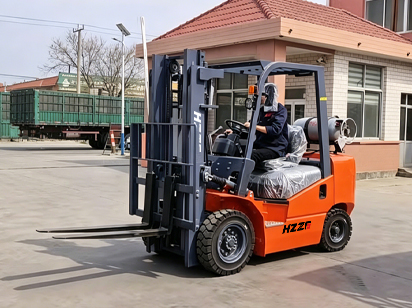
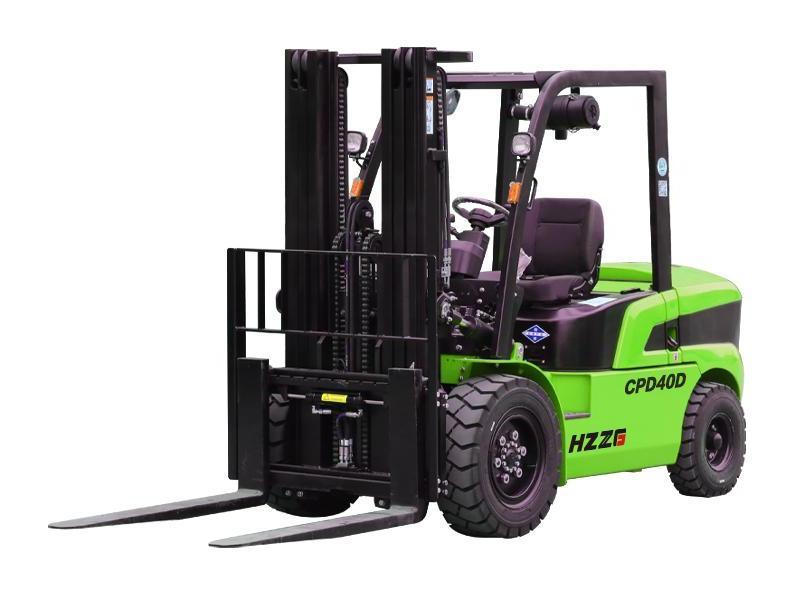
Different forklift types fit specific space and task needs in a warehouse. Reach trucks suit medium racks and tight aisles. They offer precise handling. For very tall storage, Very Narrow Aisle (VNA) forklifts provide better vertical reach. They also make the most of floor space. On the other hand, counterbalance forklifts fit open spaces with wider paths. But their lift heights are lower than special reach machines. Choosing the right type for the racking boosts workflow. It also cuts down on extra wear on the equipment.
Lift Capacity vs. Height Trade-offs
When lift height goes up, the max load weight usually drops. This happens because balance gets harder at taller points. Makers give charts with reduced capacities. These show allowed weights at various heights. They are vital for setting up tasks around heavy items or tall racks. Matching these details to real storage needs stops overloads. It also reduces strain on lift parts. Good weight spread improves handling when you put pallets on high racks.
Operator Visibility and Control at Elevated Levels
Working with high racks makes it hard to see when placing pallets up high. New forklifts use camera systems. These send live views from the forks to the driver’s screen. This helps with exact stacking. Tilt guides keep forks level with pallets. Laser tools point to rack spots quickly. Cabins with adjustable seats and simple controls reduce tiredness. Operators do many high lifts in a row. These features help keep work steady over long hours.
What Safety Measures Are Essential for High Lift Operations?
Safety is vital for forklift work at tall heights. Machine issues or mistakes by people can cause big problems.
Pre-operation Inspection and Maintenance Practices
Regular checks keep equipment dependable in tough settings. Do daily looks at the mast, hoses, chains, forks, and backrests. Check for wear or breaks. Follow lube schedules from the maker. These fit heavy use where parts rub more from many lifts. A good backrest stops items from falling back when going up. This is a common risk in tall rack work.
Operator Training and Certification Requirements
Only trained and certified people should handle high-lift machines for tall loads. Special courses use real-like setups. They cover tight paths and tall racks. This builds better space sense and quick responses in tough spots. Ongoing checks keep operators up to date with safety rules. They also hold skills for different warehouse designs.
Implementing Safety Technologies in Modern Forklifts
New tech cuts risks in tall lift tasks a lot. Load sensors warn if weights go over limits at certain heights. This lets fixes happen before balance fails. Auto speed cuts slow the machine when masts go past set points. It gives better control up or down. Smart stability systems spot uneven floors. They change hydraulic flow to keep things level during moves.
How to Optimize Warehouse Layout for High-Rack Operations?
A good layout works well with forklift abilities. It allows easy paths through packed storage areas. Safety and access stay strong.
Designing Aisle Widths for Equipment Maneuverability
Aisle size must match the forklift’s turn space and mast shape. Tight aisles save room but limit moves. So, they need VNA trucks. These work in small gaps with rail or wire guides. Add space at rack ends. This stops hits during turns or backing up. It keeps work flowing in busy times.
Aligning Storage Zones with Lift Height Requirements
Smart zoning boosts speed and comfort in layered storage. Put often-used items on middle racks. Standard electric reach trucks can get them fast. This cuts time per pick. Store extra stock on top levels. Use high-reach forklifts only when needed. This setup uses space well and keeps things easy to reach.
Lighting and Visibility Considerations in High-Bay Areas
Good lights affect how well you stack at high spots. Natural light does not reach far up. Put LED lights along rack posts. They cut shadows that hide pallet spots. Smart systems with sensors change light based on movement. This improves sight and saves power in quiet areas.
Why Choose QINGDAO HEZHONG MACHINERY MANUFACTURING CO., LTD as a Forklift Partner?
QINGDAO HEZHONG MACHINERY MANUFACTURING CO., LTD offers full solutions for material handling. These fit warehouses with tricky tall rack setups that need exact work.
Commitment to Quality and Innovation
The company uses modern making methods. This makes sure each forklift hits strong quality marks. It does so through careful building steps that promise steady work in long heavy tasks. Modern making methods create well-built forklifts with reliable output. Current studies push changes in mast builds, power savings via electric systems, and comfort upgrades for drivers.
Diverse Product Range for Specialized Applications
QINGDAO HEZHONG MACHINERY MANUFACTURING CO., LTD has a wide set of products. This includes electric reach trucks for tight aisles, counterbalance models for open load areas, pallet stackers for small spots, and custom builds for special warehouse needs. Offers electric reach trucks, counterbalance forklifts, pallet stackers, and custom-built solutions for high-rack environments. Each one gets full tests in fake work setups. This checks lasting strength in many business uses around the world.
Global Support Network
The brand’s worldwide service setup ensures quick help no matter where clients work. Provides after-sales service, spare parts availability, and technical consultation worldwide. Special engineer groups work close with site leaders. They match forklift setups to building plans. This gives the best fit between machine specs and place limits.
Key Takeaways on Selecting Proper Lift Heights for High-Rack Warehouses
Picking the right lift heights means weighing building limits against machine strengths. It also includes strong safety plans in everyday work.
Strategic Planning Leads to Operational Efficiency
Using fact-based reviews of warehouse sizes with exact forklift details cuts stoppages from wrong choices. It also raises output through better up-down logistics.
Safety Integration Enhances Long-Term Productivity
Adding new control tech like auto balance with regular upkeep protects workers. It also lengthens equipment life. This builds lasting gains in all warehouse tasks for tall racking.
FAQs
Q1: How do I calculate the ideal forklift lift height for my warehouse?
The required lift height equals the top racking beam level plus additional clearance (typically 200–300 mm) for safe pallet placement without contacting overhead structures.
Q2: What is the maximum practical lift height for modern electric forklifts?
Electric reach trucks can achieve up to 13 meters depending on mast configuration; however, actual usable height depends on load weight distribution and building constraints.
Q3: How often should forklifts used in high-rack warehouses undergo maintenance checks?
Routine inspections should occur daily before operation, while comprehensive maintenance—including hydraulic system checks—should be scheduled monthly or per manufacturer guidance based on usage intensity.