
Choosing between diesel and electric forklifts for an indoor warehouse calls for a solid grasp of how each kind works. You need to look at their power sources and key performance traits. Both choices bring clear benefits. These depend on your daily tasks, site conditions, and future cost plans.
Power Source and Energy Efficiency
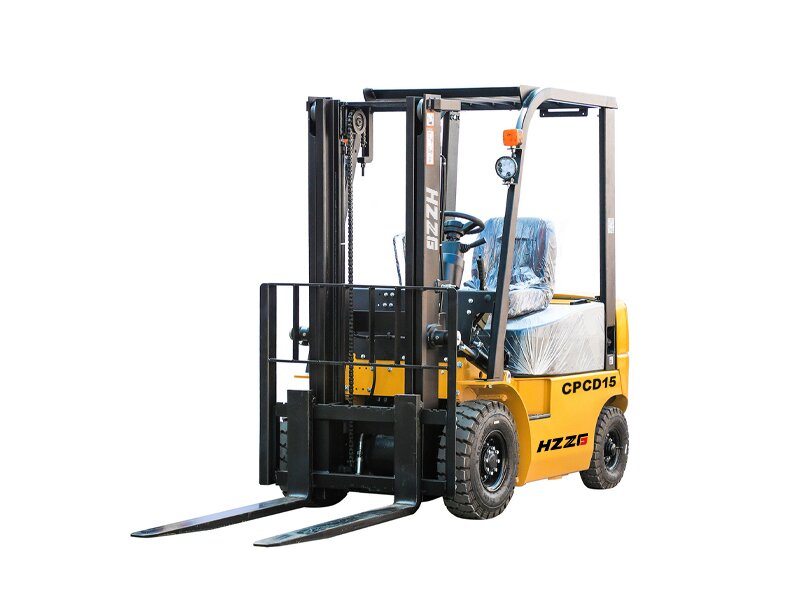
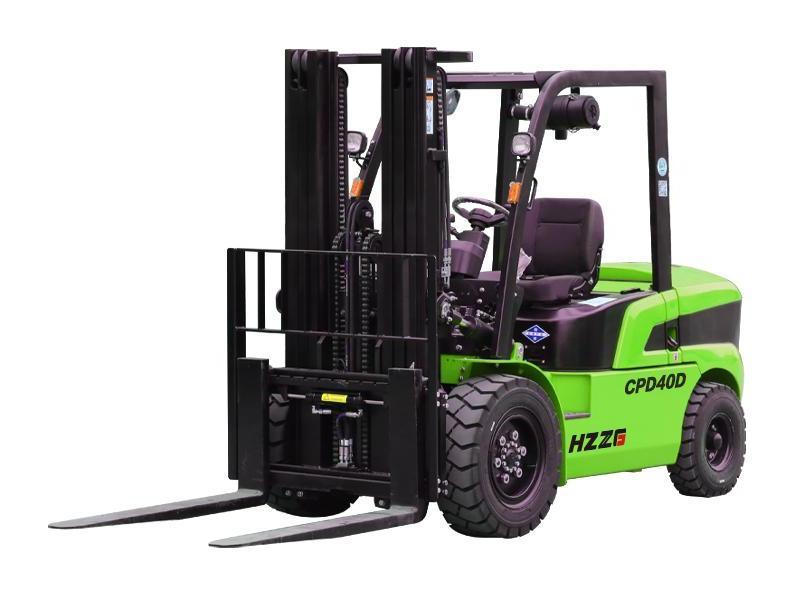
Diesel forklifts use internal combustion engines. These engines create strong torque. That makes them good for tough jobs. But they release fumes that harm air in closed areas. Electric forklifts run on battery packs you recharge. They give clean power with no tailpipe exhaust. This fits well for inside warehouse spaces. Energy use varies with task demands. Diesel ones handle steady heavy work well. Electric types shine in jobs with many pauses and restarts. That’s thanks to their regenerative braking. Electric forklifts gain from better lithium-ion batteries too. These cut recharge times and hold power longer.
Maintenance and Operational Costs
Diesel forklifts need regular checks. Think oil swaps, fuel filter changes, and exhaust care to keep the engine running right. This leads to more upkeep visits and higher costs in the long run. Electric forklifts have fewer parts that move. No oil or fuel setup means less wear and less time out of service. The battery upfront costs a lot. Yet lower power bills per hour often balance that out over the machine’s life. Still, plan for battery swaps. Most industrial forklift batteries handle 1,500 to 2,000 charge cycles before you replace them.
Performance and Load Capacity
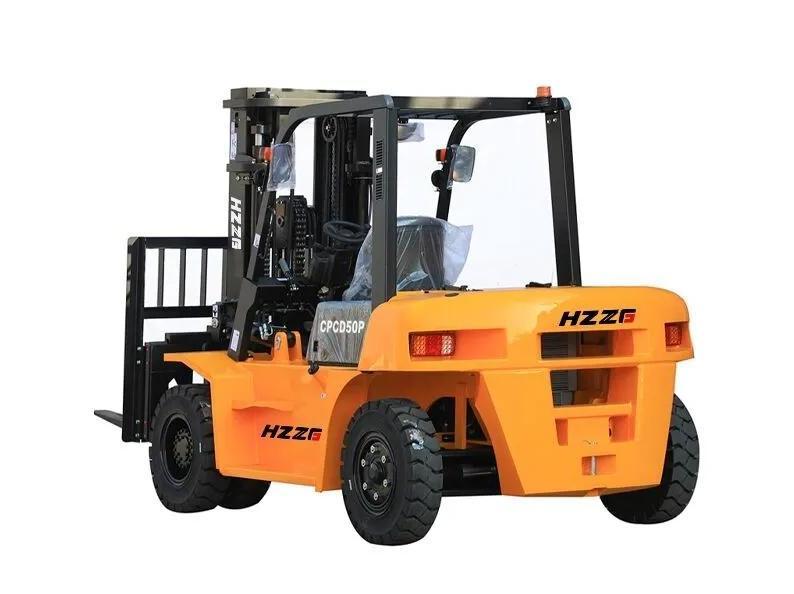
You see clear differences in how diesel and electric models perform. Diesel ones offer steady power. They suit outside or rough spots where you lift big loads often. Their torque keeps things stable on bumpy ground. Electric forklifts give smooth speed buildup and exact controls. These work great in tight indoor spots with slim paths or careful handling needs. But electric power can drop as the battery runs low. Diesel keeps going strong until you add fuel.
How Does the Working Environment Influence the Choice?
Your work setting plays a big role in picking the right forklift. It affects safety rules and output aims in an indoor warehouse.
Indoor Air Quality and Emission Regulations
Diesel exhaust has particles and gases like carbon monoxide. These hurt inside air without good airflow setups. So diesel forklifts don’t fit sealed buildings well. You need top exhaust filters or firm venting rules for them. Electric forklifts skip these issues. They make no emissions while running. Many places have rules that limit or ban diesel machines inside. This protects workers’ health and follows eco laws.
Noise Levels and Operator Comfort
Sound levels matter in choosing forklifts. Diesel engines make a lot of noise from burning fuel. That can break up talks among staff and tire drivers during long hours. Electric forklifts run very quietly. You hear just a light motor buzz or hydraulic noise when lifting. They also shake less. This boosts driver ease and cuts mistakes from tiredness. It’s key for precise tasks in today’s warehouses.
Space Constraints and Maneuverability
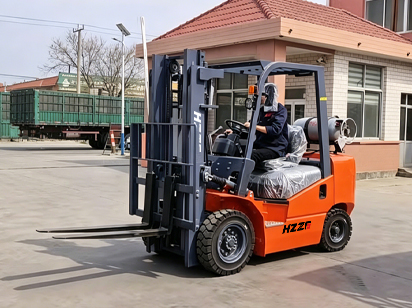
Inside warehouses often have tight setups. Easy movement is vital there. Electric forklifts usually come with slimmer builds and sharper turns than diesel ones. This lets them move well in narrow rows or busy storage spots. Some electric types add smart steering like multi-way drives. These improve accuracy for placing pallets or weaving through tricky routes. Diesel forklifts often feel bulkier. That’s from their engine needs. It cuts their quickness in small areas.
What Are the Economic Considerations When Choosing Between Them?
Money factors go past the starting price. They cover fuel bills, upkeep plans, setup needs, and future worth.
Initial Investment vs Long-Term Savings
Diesel forklifts often cost less to buy at first. They skip the pricey batteries. But fuel costs add up fast. This hits budgets hard in busy spots with daily refills. Electric forklifts need more money upfront. However, power from the grid costs less per kilowatt-hour than diesel fuel. Over many years, these gains lead to better returns. This holds true for places with round-the-clock indoor shifts.
Fueling Infrastructure and Charging Requirements
The setup for fuel varies a lot between types. Diesel gear needs safe storage tanks that meet fire codes. You also plan regular fuel drops to keep things going. Electric groups rely on charging spots with enough power for group recharges. Smart scheduling avoids lost time in busy periods. Some teams use quick charges during rests or shift switches. This keeps machines ready.
Resale Value and Equipment Longevity
How much you get back when selling ties to use and buyer interest. Kept-up diesel machines hold worth in fields like outside shipping or building work. Their toughness in bad conditions helps. For electric ones, value drops with battery state. Swap old batteries before selling to boost price. Both kinds last longer with proper care. Follow maker tips on oil checks, wiring looks, and part tweaks.
How Does Sustainability Factor Into the Decision?
Green goals now guide buying choices. Firms aim to shrink their carbon mark in supply lines.
Environmental Impact of Each Type
Diesel engines put out gases like CO₂ and nitrogen oxides. These add to warming and local dirt in the air. Electric forklifts provide a greener path. They cut direct fumes. The plus grows if you charge from clean sources like sun or wind power in your site. Full life reviews show battery making has costs. But total fumes stay below those from fuel machines over the same time.
Contribution to Corporate Sustainability Goals
Switching to electric teams aids firm ESG efforts. It shows real drops in work fumes. Low noise also helps worker wellness scores by easing sound issues. That’s now part of health plans. Firms using green handling build a strong image with eco-aware buyers. They match world goals to cut carbon set by rule makers.
Why Choose QINGDAO HEZHONG MACHINERY MANUFACTURING CO., LTD as Your Forklift Supplier?
QINGDAO HEZHONG MACHINERY MANUFACTURING CO., LTD shines as a reliable source. It focuses on diesel and electric forklift options built for varied indoor warehouse uses.
Expertise in Both Diesel and Electric Forklifts
The firm supplies a wide set of diesel units for lasting strength. It also has modern electric models for quiet runs and no-fume work inside. The company provides a full range of diesel and electric models tailored to warehouse requirements. Its making methods stress solid builds via exact engineering. This ensures steady work, reliable output, and safety matches under hard tasks. Advanced manufacturing ensures durability, performance consistency, and safety compliance.
Customized Solutions for Industrial Applications
QINGDAO HEZHONG MACHINERY MANUFACTURING CO., LTD works hand-in-hand with buyers in planning stages. They fit forklift specs, like load limits, to your site’s tasks. Engineers collaborate with clients to design forklifts suited to specific load capacities and environments. Its support system includes hands-on training for drivers. It also offers ahead-of-time upkeep plans. Technical support includes training, maintenance planning, and after-sales service.
Key Takeaways on Choosing Between Diesel and Electric Forklifts
Picking diesel or electric forklifts means weighing key points tied to output aims in an indoor warehouse. You also match green standards.
Strategic Decision Factors
Leaders should check air handling skills before using fuel machines inside. Rules might cap fume levels. Look at full ownership costs, like power use rates. This gives better money views than just buy prices. Last, link gear picks to firm green aims. This builds lasting work strength and backs wider eco pledges in supply webs.
FAQs
1. Can diesel forklifts be used indoors safely?
Diesel forklifts may operate indoors only under strict ventilation conditions designed to disperse exhaust fumes effectively; otherwise toxic gases like carbon monoxide pose serious health hazards for workers occupying enclosed areas.
2. How long does an electric forklift battery last?
An industrial-grade battery typically endures between 1,500–2,000 charge cycles depending on adherence to recommended maintenance routines such as equalization charging schedules and temperature-controlled storage practices that prevent premature degradation.
3. Which forklift type offers better return on investment for warehouses?
Electric forklifts generally yield superior ROI within indoor warehouse operations due to significantly lower energy expenditures per hour of use combined with reduced mechanical servicing demands—factors that collectively enhance cost efficiency while supporting compliance with environmental standards over extended operational lifetimes.