



Wheel loaders are vital machines in today’s construction work. People value them for their sturdy build, flexibility, and quick performance. They act as key tools in many fields. These include building infrastructure, running mines, and farming. The mix of strength and easy handling lets these machines carry out various jobs accurately. This ranges from moving earth to shifting materials. Construction loaders have grown into strong performers. They boost output and worker safety on tough sites.
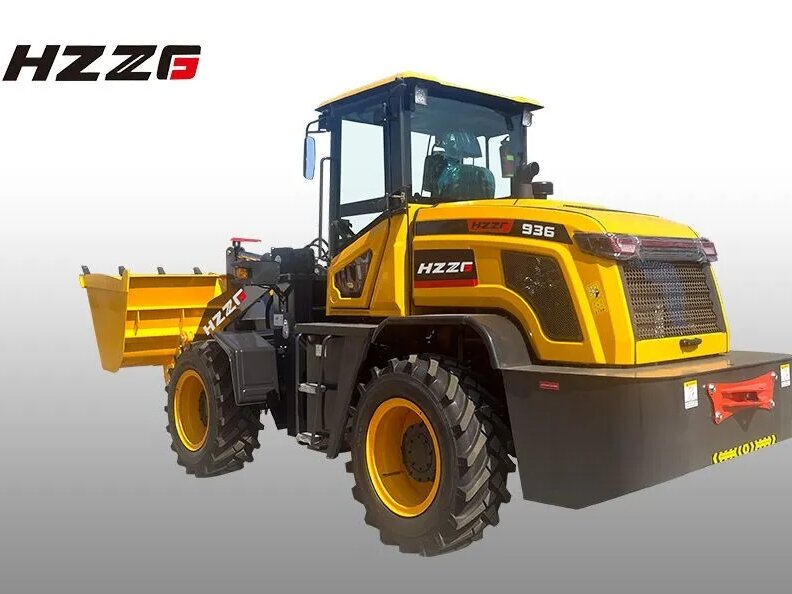 Core Functions of Wheel Loaders
A wheel loader’s main job is to move and load large amounts of stuff like gravel, sand, or dirt. Builders make these machines to manage repeated loading tasks well. They allow fast shifts of materials from digging areas to haul vehicles. These loaders also help with digging and filling jobs. They spread out soil or rocks during site setup. Thanks to short cycle times and strong lift power, wheel loaders improve the flow of work. They cut down on wait times between tasks. Plus, their option to add different attachments boosts their usefulness past basic loading.
Key Components That Define a Wheel Loader’s Performance
How well a wheel loader works relies on several important parts working together. The engine’s power and twisting force affect how much it can carry and how fuel-efficient it is. Models with more horsepower give quicker cycles. However, they might use more fuel when handling big loads. The hydraulic setup controls lift speed and exact handling. Better hydraulic lines make for smoother work, even with full loads. Tire style matters a lot too. Tires with deep grooves provide better grip on loose or bumpy ground. Strong sidewalls add steadiness during heavy raises. All these parts help wheel loaders keep steady work in varied lands.
What Are the Main Types of Construction Loaders?
Builders sort construction loaders by their size, setup, and planned use. Picking the best one means checking project needs. This includes ground type, room limits, and task heaviness.
Compact Wheel Loaders
Compact wheel loaders focus on quick moves in tight spots. Bigger gear can’t fit there well. Their small turn circle suits city building jobs or yard work that needs careful steering. Even with a smaller body, these models lift a good amount for their scale. They are simpler to move from site to site because they weigh less. City upkeep teams often pick compact loaders for clearing snow or picking up trash. They mix good results with low running costs.
Standard Wheel Loaders
Standard wheel loaders are the most flexible group in building gear sets. They offer a good match of strength and handling ease. This makes them fit for everyday jobs like road work or mid-sized building projects. Standard types hold more weight than small ones. You can add tools like forks or grabs for special needs. Their ability to adapt lets workers change between handling materials, leveling ground, or piling up stock. They do this without needing extra machines. As a result, they make the best use of tools over project steps.
Large Wheel Loaders
Large wheel loaders suit tough spots like mine holes or rock sites. There, you need steady high-volume material shifts. These machines have tough frames that take big stress in long work periods. They come with strong engines and smart gear systems. This gives great push forces for dealing with thick stuff like ore or rock piles. Because of their large size and detailed build, large wheel loaders need trained workers. These experts know heavy gear safety rules to get the best results in hard settings.
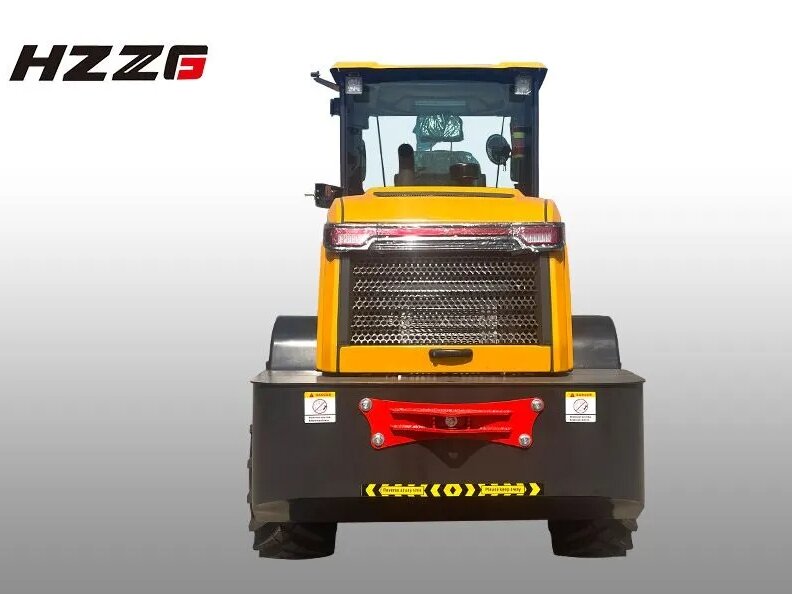
How Do Articulated and Rigid Frame Loaders Differ?
A loader’s build decides how it handles various ground types and turn needs.
Articulated Frame Loaders
Articulated frame loaders use a middle hinge that links the front and back chassis parts. This bend lets each part shift on its own. It boosts handling on rough land or small work areas. The bendable link cuts tire damage. It allows easy turns without pulling wheels sideways. This helps a lot on soft or bumpy spots. Such traits make articulated loaders great for wood jobs or build sites with narrow paths. There, close steering is key.
Rigid Frame Loaders
Rigid frame loaders have one solid chassis piece. It keeps the build strong during big lift tasks. This setup gives better steadiness on hard ground or straight hauling work. The fixed frame avoids bending under weight push. It ensures steady bucket handling in full raises. Builders often choose rigid styles in factory places like mines. There, even ground lets workers use top load steadiness over bend ease.
What Factors Should Be Considered When Selecting a Wheel Loader?
Choosing the right wheel loader calls for close review of tech details that match project goals.
Operational Environment Considerations
The ground kind sets tire picks and drive setup. For instance, soft dirt spots do well with broad tires. They spread weight to avoid sinking. Rocky areas need tough tires with deep grooves for better hold and cut resistance. Weather also shapes part choices. Cold work might need hydraulic warmers or closed cabins for worker ease.
Capacity and Power Requirements
The engine’s strength should fit task weight and material thickness. A stronger engine boosts speed in starts and lifts. But it raises fuel use. So, matching power with savings is key for low-cost work. The hydraulic system’s work affects output too. Units with changing-flow hydraulics adjust force based on job needs. This saves energy in every cycle.
Attachment Compatibility and Versatility
Today’s construction loaders work with many add-ons. These expand uses past simple loading. Buckets are the top choice for loose stuff handling. Forks let you manage stacked goods in yards or shipping spots. Snow blades turn wheel loaders into winter clearers. They remove road cover fast after bad weather. Cleaners keep big factory areas tidy. All these add-ons support all-year use.
Why Is QINGDAO HEZHONG MACHINERY MANUFACTURING CO., LTD Considered a Reliable Wheel Loader Supplier?
QINGDAO HEZHONG MACHINERY MANUFACTURING CO., LTD has gained trust as a solid maker. It focuses on top wheel loader builds for worldwide buyers.
Commitment to Quality Manufacturing
The firm uses modern making methods along with tight quality checks at each build step. This guarantees lasting strength and dependability in every model. It blends cutting-edge build tech with firm quality rules to keep steady trust in all units. Each machine goes through full tests. These check build soundness in fake field tests before shipping.
Product Range and Customization Options
QINGDAO HEZHONG provides a wide set of choices. These go from small city units to big factory machines. QINGDAO HEZHONG gives different loader setups for varied work needs. This covers small to heavy units with custom add-ons. Buyers can ask for special setups. These include engine boosts or unique tools for areas like waste handling or dock shipping.
Global Service Support
A strong worldwide help system makes sure buyers get quick aid no matter where they are. Their skilled after-care network offers tech help, part stock, and upkeep tips around the world. This focus raises work time by cutting waits for part swaps or problem fixes.
How Are Technological Advancements Shaping the Future of Wheel Loaders?
Tech changes keep reshaping how building gear works in more connected settings.
Integration of Smart Control Systems
New tracking systems now let you watch machine details live. This covers fuel use rates, loads per hour, and service times. Digital tools track fuel, load counts, and upkeep plans in real time. This boosts clear views of operations. Such data helps team leaders decide based on facts. They cut stop times and better spread resources over sites.
Development of Hybrid and Electric Models
Green goals now guide gear design plans. Makers bring in earth-friendly picks that cut pollution. They keep similar strength levels. Hybrid setups mix gas engines with electric drives for lower output without losing pull. Full electric tests remove waste gases fully. This shows big steps to cleaner building ways globally.
Conclusion: Selecting the Right Loader for Long-Term Efficiency
Wheel loaders stay as base tools in building setups. Their flexibility fits many work types. This spans small city jobs to wide mine work. Their steady growth through tech changes keeps them useful in coming building plans.
FAQs
1. What distinguishes a wheel loader from other types of construction equipment?
Wheel loaders focus mainly on loading materials. They differ from digging gear. Unlike excavators that dig ditches or bulldozers that push dirt piles, they shine at moving large amounts of stuff quickly between spots on sites.
2. How often should wheel loader maintenance be performed?
Do daily checks before every shift. Focus on tire state, fluid amounts, and hydraulic line strength. Full service, like oil changes, follows maker rules every 250–500 work hours. This depends on how hard you use it.
3. Can attachments from different manufacturers be used on the same loader?
Whether add-ons from various makers fit depends on link standards. Many use common mounts like ISO couplers. This allows cross-maker use. But always check against the model’s details before fitting. This ensures safe and proper setup.


