



A вилочный погрузчик График нагрузки служит жизненно важным руководством для определения безопасной подъемной силы вилочного погрузчика в определенных ситуациях. В складская работаЭта диаграмма помогает операторам придерживаться безопасных практик, понимая, как различные факторы, такие как высота мачты, расстояние от центра нагрузки и крепления, влияют на работу машины. Он служит важной документацией по безопасности, которая помогает в удовлетворении рабочих стандартов и предотвращает аварии с перегрузкой, которые могут причинить вред передаче или вред людям.
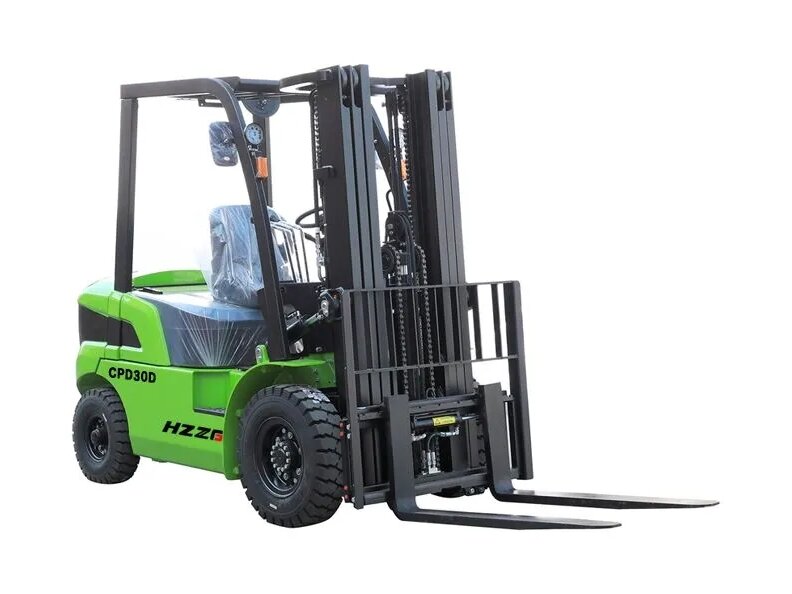
Ключевые компоненты, отображаемые на диаграмме нагрузки
График нагрузки вилочного погрузчика показывает несколько важных деталей, которые устанавливают границы эксплуатации. Одной из основных частей является номинальная нагрузочная способность на данном расстоянии от центра нагрузки. Это говорит о максимальном весе вилочный погрузчик может справляться безопасно, когда нагрузка’ с центр тяжести сидит в установленном месте от вилки’ с передним лицом. Также появляются углы наклона мачты. Они показывают, как наклон вперед или назад меняет стабильность и способность поднимать. Кроме того, производители отмечают пределы высоты и зоны стабильности. Они направляют работников в поддержании равновесия при перемещении нагрузок вверх и вниз.
Почему нагрузочные диаграммы важны для складских операций
Графики нагрузки обеспечивают четкую визуальность для безопасных пределов подъема. Операторы могут быстро проверить, находится ли запланированный лифт в допустимых границах. Они позволяют персоналу склада адаптироваться к различным формам и массам груза, посмотря на текущую информацию вместо догадок. Кроме того, они поддерживают правила безопасности труда и советы производителей. Это гарантирует, что все задачи вилочных погрузчиков соответствуют установленным шагам безопасности в складских зонах.
Как можно проверить мощность вилочного погрузчика с помощью графика нагрузки?
Проверка мощности вилочного погрузчика означает чтение информации на графике нагрузки и приведение ее в соответствие с реальными потребностями работы. Эта проверка гарантирует, что каждый лифт остается в безопасных рабочих диапазонах во время обработки, складывания или перемещения в складских местах. Там точный контроль очень важен для плавной работы.
Шаги для точной проверки мощности вилочного погрузчика
Чтобы проверить пропускную способность правильно, начните с обнаружения номинальной пропускной способности на вилочном погрузчике’ с табличкой или диаграммой. Затем соедините этот номер с вашим грузом’ с расстояние центра нагрузки. Найдите соответствующее значение на диаграмме. Важно увидеть, как высота мачты меняет подъемную силу. Высшие подъемники снижают безопасную мощность из-за тяги рычага. Кроме того, подумайте о любых креплениях или изменениях, таких как боковые сдвигатели или зажимы. Они сменяют вес или баланс. Итак, рассчитайте их на новые количества мощностей перед началом работы.
Частые ошибки при чтении графиков нагрузки
Обычные ошибки включают неправильное расположение центра нагрузки. Это может привести к мысли, что мощность подъема выше, чем она есть. В результате, это рискует нестабильность. Еще одна распространенная проблема - пропуск весов прикрепления. Эти дополнительные уменьшают реальную прочность подъема, добавляя массу в настройку вагона. Работники иногда упускают внешние факторы. Например, холстые полы или наклонные поверхности влияют на стабильность во время перемещения по складам.
Как расстояние от центра нагрузки влияет на производительность вилочного погрузчика?
Расстояние центра нагрузки показывает, насколько далеко нагрузка’ Центр тяжести находится с передней стороны вилок. Если это расстояние увеличивается, номинальная мощность значительно снижается. Это делается потому, что рычаг перемещается от грузовика’ с поворотное место. Получение этой связи имеет жизненно важное значение для поддержания баланса при работе с предметами странной формы или большими поддонами в складских местах. Там часто происходит осторожная загрузка.
Расчет безопасных центров нагрузки для различных типов грузов
Обычные палеты часто используют 24-дюймовый (600 мм) центр нагрузки. Это связано с общими правилами торговли. Но длинные или тяжелые предметы могут толкать вес дальше. Поэтому вам нужно переработать реальные центры с помощью формул производителя или руководств по созданию. Вы можете настроить пятна вилки, чтобы лучше соответствовать. Эти линии поддерживают точки ближе к грузу’ истинный центр тяжести. Таким образом, он сохраняет стабильность во многих рабочих местах.
Какую роль играют прикрепления в проверке мощности вилочного погрузчика?
Предметы, такие как зажимы, ротаторы и боковые переключатели увеличивают что может сделать вилочный погрузчик. Но они добавляют вес к настройке вагона. Эта дополнительная нагрузка сокращает доступную мощность подъема. Это также меняет то, как работает баланс. Поэтому необходимы правильные настройки с свежими диаграммами от производителей, когда вы добавляете или переключаете вложения.
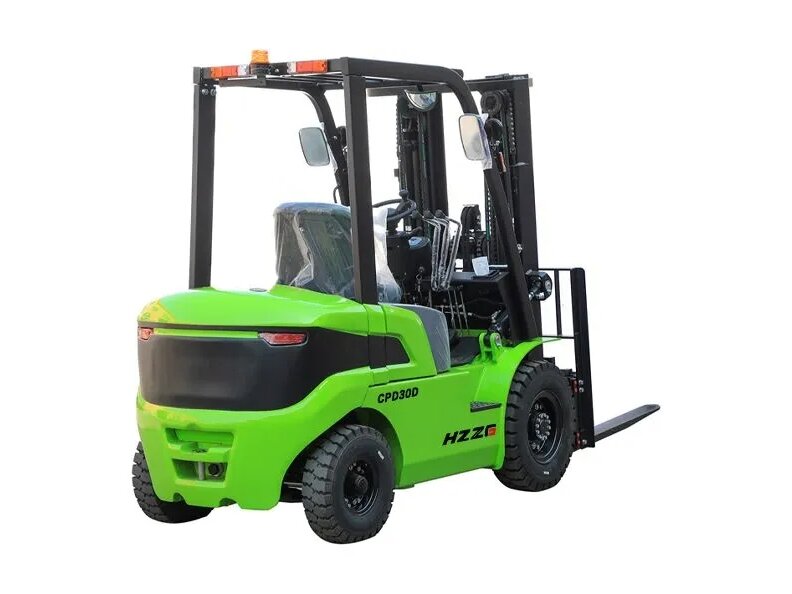
Корректировка рейтингов мощности при использовании приложений
Рабочие должны удалить вес крепления от полной номинальной мощности перед началом. Перепроверки должны охватывать новые общие центры тяжести. Они происходят от изменения веса между вилками и дополнениями. Производители обычно дают обновленные графики, которые показывают эти сдвиги. Операторы могут затем подтвердить истинные показатели производительности, прежде чем использовать их в сложных складских настройках.
Как операторы могут поддерживать соблюдение требований безопасности посредством регулярной проверки?
Постоянные проверки гарантируют, что вилочные погрузчики продолжают работать в пределах запланированных границ строительства. Это верно даже после нормального использования износа, ремонтов или смен в рабочей среде. Придерживаясь шагов проверки часто является частью группы’ Установка безопасности. Его целью является предотвращение сбоев машин и несчастных случаев на работе.
Рекомендуемые методы периодической проверки
Операторы должны проверять перед каждой сменой. Сосредоточьтесь на том, ясна ли таблица и правильна ли диаграмма. Сделайте это в начале каждого рабочего раунда. После больших исправлений или замены частей, которые касаются укрепления систем или жидкостей, вы должны повторить калибровку. Непрерывное обучение должно укреплять навыки рабочих в хорошем чтении диаграмм. Сделайте его частью планов стабильного роста, необходимых в напряженной складской работе.
Почему выбрать QINGDAO HEZHONG MACHINERY MANUFACTURING CO., LTD в качестве вашего поставщика вилочных погрузчиков?
ЦИНДАО ХЕЗХОНГ МАШИНЕРИЯ ПРОВОДЕНИЕ КО., ЛТД 闪тит как надежный производитель прочных вилочных погрузчиков, построенных для твердых задач по переработке материалов на складах по всему миру. Фирма сочетает умные идеи строительства машин с строгими проверками качества. Они обеспечивают надежность при тяжелых рабочих нагрузках. В то же время он ставит безопасность работников на первое место с удобными для пользователя конструкциями.
Преимущества, предлагаемые QINGDAO HEZHONG MACHINERY MANUFACTURING CO., LTD
Его широкий ассортимент товаров охватывает электрические, дизельные и СНГ вилочные погрузчики. Они соответствуют многим потребностям бизнеса, от легкого перемещения внутри помещений до внешних тяжелых нагрузок. Индивидуальные варианты позволяют компаниям адаптировать спецификации к собственным размерам работы. Они делают это без снижения уровня производительности. Кроме того, его всемирная система помощи предлагает техническую помощь, доступ к запасным частям и высочайший послепродажный уход. Это обеспечивает беспрепятственную работу машин для клиентов, которые хорошо обрабатывают системы перемещения больших складов.
Вывод: Обеспечение эффективности за счет точной проверки мощностей
Проверка мощности вилочного погрузчика с помощью графика нагрузки остается основной для поддержания безопасности работы и плавной работы сегодня’ с складами. Там тщательное обращение определяет, сколько делается. Используя правильные методы чтения, которые соответствуют правилам производителя и постоянно ухаживают за сменой передач или ремонтом работы, группы защищают благополучие работников и жизнь передач. В то же время они повышают производительность на всех этапах перемещения материалов.
Часто задаваемые вопросы
1. Как часто следует пересматривать или обновлять графики нагрузки вилочных погрузчиков?
Графики нагрузки должны регулярно проверяться во время запланированных проверок технического обслуживания или каждый раз, когда вносятся изменения, такие как новые прикрепления, которые могут повлиять на производительность подъема.
2. Могут ли два вилочных погрузчика с идентичными номинальными мощностями безопасно обрабатывать различные нагрузки?
Да; Такие факторы, как изменение высоты мачты, различия типа крепления, различия в состоянии шин и различные расстояния от центра нагрузки, могут изменить реальную производительность даже среди вилочных погрузчиков, имеющих одинаковые номинальные оценки.
3. Что следует сделать, если знак или график нагрузки вилочного погрузчика становится нечитаемым?
Операции должны немедленно прекратиться, пока не будет получена заменная документация от изготовителя или уполномоченного дилера, чтобы операторы сохраняли точные справочные материалы, необходимые для дальнейшего безопасного использования оборудования на складских объектах.


