
In 2026 the heavy equipment field shows clear momentum toward battery-electric machines, especially in compact wheel loader segments and lighter forklift duties. Electric wheel loaders post solid gains in city-linked projects and areas with tight emission rules, while forklift orders indicate battery-powered units taking over most new deliveries in warehouse-focused parts of Europe and North America. Lower battery costs, quicker charging, and stricter exhaust limits push this forward. Despite that progress, diesel wheel loaders and diesel forklifts keep a solid grip on many everyday applications. Recent shipment figures for 2025–2026 point to internal combustion—mostly diesel—still holding well over half the broader market in mid-to-large sizes, often climbing past 80% in classes built for nonstop heavy work or sites short on reliable power grids.
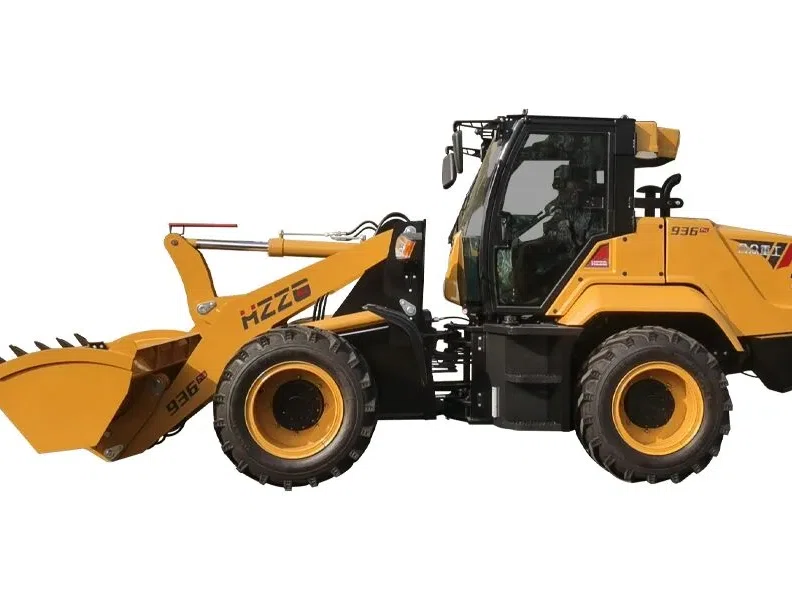
Diesel sticks around because job-site conditions dictate it. Electric setups manage indoor cycles or quiet urban tasks smoothly enough, but diesel wheel loaders and diesel forklifts bring the long-haul runtime, steady high-torque punch, and zero need for electrical hookups that plenty of operations still count on. Teams handling infrastructure grading, quarry feeding, farm bulk shifts, or builds in growing economies routinely see these traits line up better with what the day actually throws at them than most current full-electric offerings do.
The Real State of Electrification in 2026
Electrification stands out most sharply in compact wheel loaders and lower-capacity forklifts. Market tracking shows electric compact construction gear moving ahead at double-digit compound rates, backed by cheaper battery cells, improved charger speeds, and incentives aimed at zero-emission pockets in urban cores. Forklift bookings track lithium-ion steadily overtaking older battery types and grabbing bigger portions of fresh business, particularly where machines cycle hard inside structures.
Across heavier classes the picture stays uneven. Mid-range and larger wheel loaders plus heavy-duty forklifts that run extended heavy lifts or sit far from outlets remain tilted heavily toward diesel. Electric share in bigger tonnage groups trails far behind except where big subsidies or hard zero-emission rules apply. Wide regions across Africa, the Middle East, Southeast Asia, and rural North America still show charging networks either missing at useful scale or carrying setup prices too steep to justify. Batteries lose output fast in freezing cold or blistering heat, and recharge breaks disrupt flows that diesel refueling fixes in minutes.
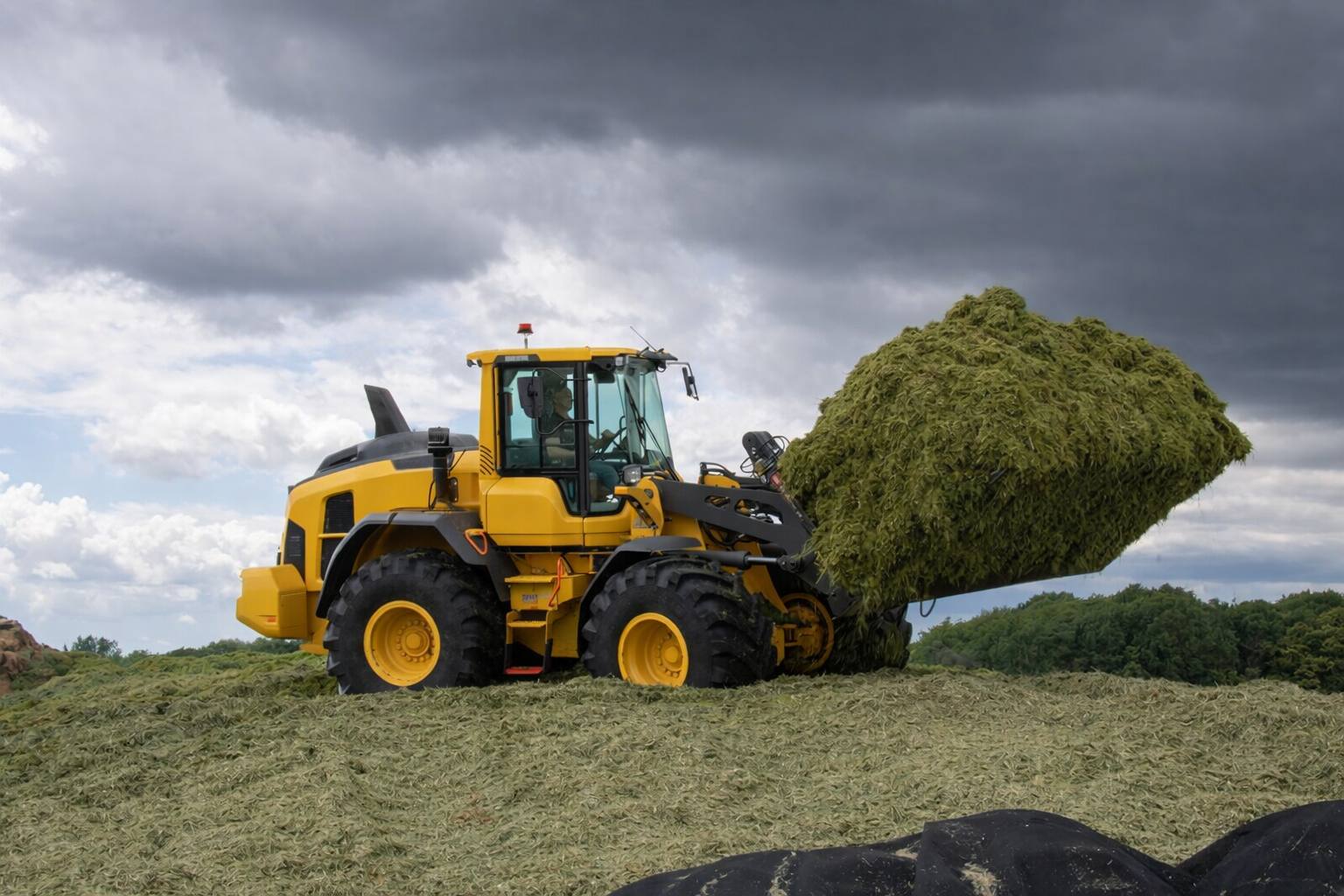
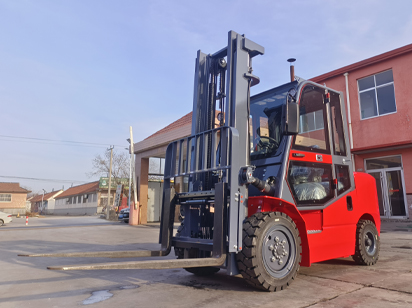
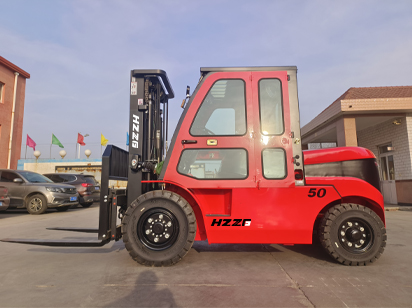
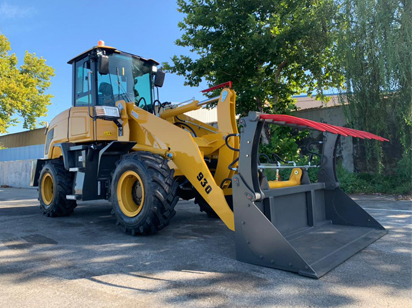
Patterns from the field and order data back diesel’s hold in earthmoving, aggregate transfer, port-side handling, and open-yard bulk work. Wheel loaders feeding crushers, shaping roads, or building stockpiles run cleaner with no power gaps. Forklifts moving lumber stacks, steel bundles, or construction loads in big outdoor spaces dodge range worries altogether when diesel stays in the tank.
Diesel Advantages in Key Areas for 2026 Operations
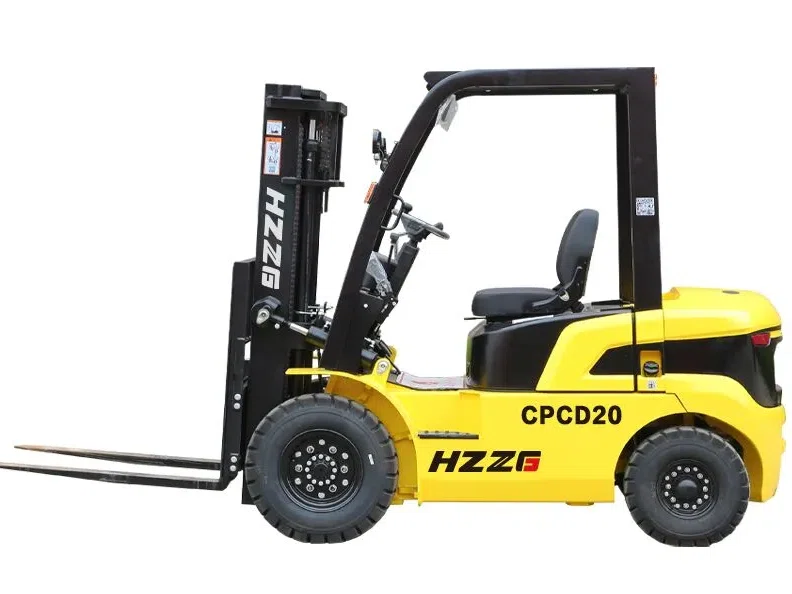
Initial cost gaps hit hard right away. Diesel wheel loaders and diesel forklifts land at 30–100% lower purchase prices than matching electric versions, mostly because of battery-system expenses. Contractors and fleet operators facing tight capital limits lock in faster returns and face less financing friction from that difference.
Runtime strength decides outcomes on long-shift ground. Diesel machines keep going as long as fuel flows—refueling finishes in under five minutes at standard pumps. Electric options, even with recent lithium packs, usually cap active hours at 6–10 before needing recharge blocks that stall multi-shift pace. Heavy cycles like truck loading, bulk moving, or stockpile clearing lean on this constant capability.
Tough-condition toughness adds weight to the argument. Dust-filled quarries, high-altitude work, deep-winter northern builds, and desert heat put real strain on batteries, cutting available power or shortening life spans. Diesel drivetrains, designed from the start for rough cycles, hold steady output through those swings. Crews on distant aggregate pits or winter road jobs note far fewer surprise halts and steadier daily volumes with diesel.
No grid dependence simplifies rollout. Sites missing solid power lines, fast chargers, or backup generation skip major added spending that can outstrip the machine price. Diesel wheel loaders and diesel forklifts move straight onto rural farm operations, infrastructure jobs in developing zones, or remote mining areas without electrical prep.
Torque supply and breakout force stay superior under load. Diesel gives stable high-end torque for breaking into packed piles, climbing grades, or shifting oversized freight without the brief power limits that show up in some electric systems at peak pulls. Wheel loaders running earthmoving loops or forklifts dealing with heavy outdoor pallets finish cycles quicker and shift more per hour.
Maintenance networks draw from years of buildup. Standard diesel parts—filters, injection gear, hydraulics—move through broad global channels, show up fast, and cost reasonable to swap compared with specialized electric drivetrain pieces. Fleets cut idle time when fixes move quickly, a clear gain when lost hours eat directly into earnings.
Total cost of ownership varies by duty type. Light indoor high-cycle work tilts electric through energy and service savings. Heavy outdoor long-hour uses common to many wheel loaders and a good slice of forklifts often show diesel delivering the lower full-life expense via moderate buy-in, no battery change-outs, and steady production.
Deployments in the field make the case plain. Construction groups in Middle Eastern areas run diesel wheel loaders over wide sites, wrapping full shifts without recharge stops. Farm crews in outlying districts rely on diesel forklifts to haul seed, feed, and gear away from any power source, ranking dependability over exhaust output.
Who Should Still Choose Diesel in 2026
Diesel wheel loaders and diesel forklifts match certain user groups especially well.
Smaller and mid-level contractors on slim margins count on diesel’s reachable entry price and proven toughness to hold ground. These outfits manage mixed contracts and push back on electrification extras unless payback hits quick and sure.
Extended outdoor runs, heavy lifts, or round-the-clock schedules need diesel endurance. Jobs feeding aggregate plants, backing mining hauls, or shifting farm loads win from fast refueling and constant force.
Zones with thin charging setups—big parts of Africa, Middle Eastern backcountry, Southeast Asia, rural North America—turn to diesel by necessity. Fleet oversight values machines free of electrical ties.
Buyers after fast delivery or stock-on-hand availability favor diesel, given shorter build leads than electric component waits.
A short fit checklist frames the call: Does the job mean long outdoor exposure? Is charging missing, spotty, or too expensive? Does budget cap upfront outlay? Must breakout strength and endless runtime stay fixed? Positive checks signal diesel as the right fit.
Practical Solutions: Making Diesel Work Smarter in 2026
Diesel gear slots into shifting needs through focused steps.
Mixed fleets blend approaches—electric for indoor or emission-tight spots, diesel for outdoor heavy pulls. This setup meets rules in changing environments without full replacement.
Latest diesel models with up-to-date aftertreatment cut exhaust while keeping field strength. Modern emissions handling balances cleaner runs with efficiency.
Steady service keeps machines long-lived and costs in check—regular fluid checks, filter swaps, and operator training head off failures. Swappable attachments widen use, letting one unit load, shift, clear, or sweep on demand.
Full fleet reviews give solid insight. Weighing current diesel total cost of ownership against electric swaps—factoring local fuel-vs-electricity prices, real cycle loads, and downtime risks—builds data-based picks. Equipment houses often run modeling or sit-down sessions for sharp estimates.
Qingdao Hezhong Machinery Manufacturing Co., Ltd.
Qingdao Hezhong Machinery Manufacturing Co., Ltd. serves as a dedicated builder of construction and material handling machinery, set up in 2007 and based in Pingdu, Qingdao, China. The operation covers over 50,000 square meters with separate production lines and staffs more than 400 people, including a 55-member engineering team centered on design progress. Yearly output tops 15,000 units, focused on mini wheel loaders, compact wheel loaders, and forklift types with sweeper setups. Machines meet global standards via certifications like CE, ISO 9001, ISO 16949, CCC, and others. Reach extends past 40 countries, showing steady focus on rugged, efficient equipment fitted to construction, agriculture, mining, and municipal tasks.
Conclusion
Diesel wheel loaders and diesel forklifts hold firm ground in the 2026 electrification setting—they keep delivering where field realities call for it. The trade heads toward lower-emission paths, yet diesel’s mix of buy-in affordability, run reliability, torque steadiness, and site self-reliance keeps it core to large market slices. Equipment choosers gain from fitting site conditions to wider moves. Diesel endures as a workable and often stronger pick for holding output and reining in costs through tough field demands.
FAQs
Why are diesel wheel loaders still preferred over electric ones in remote construction sites in 2026?
Remote construction sites generally run without steady grid power or charging points, making diesel wheel loaders the straightforward pick. They refuel fast at any station, keep full power in rough weather minus battery drop-off, and skip the large infrastructure bills electric models bring.
How does the total cost of ownership for diesel forklifts compare to electric in heavy outdoor use?
Heavy outdoor cycles with stretched shifts regularly show lower total cost of ownership for diesel forklifts from cheaper buy prices, nonstop work through quick refueling, and solid parts chains. Electric units do better in ordered settings but hit higher starting costs and possible breaks from charging in tough open-air work.
What advantages do diesel wheel loaders offer for mining support or agriculture in 2026?
Diesel wheel loaders give steady strong torque for dense stockpile work, reliable action in dust or rough ground, and total freedom from power grids—vital in far-off mining backup and rural farm uses. They hold high output over extended runs without range caps or cold-related drops linked to batteries.
Can diesel forklifts meet emission regulations while remaining a smart choice in 2026?
Present diesel forklifts fit advanced aftertreatment to match tighter emission rules, pairing cut outputs with known uptime and strength. Outside zero-emission zones they supply a compliant, budget-friendly path that keeps production and capability intact.
When should a fleet manager consider sticking with diesel wheel loaders instead of switching to electric?
Fleet managers should stay with diesel wheel loaders when work involves heavy loads, distant sites, multi-shift needs, or narrow budgets. Cases where charging build costs top expected gains, runtime pauses risk project flow, or quick machine access matters make diesel wheel loaders the reliable route for steady progress.