



Farm work is unpredictable. Ground conditions shift from soft to muddy within minutes. Heavy silage presses against the bucket walls. Manure piles hide rocks that can rattle the entire front frame. Long days during harvest season demand machines that run sunrise to sundown without complaint. In this environment, durability is more than a selling point — it is the reason a wheel loader either becomes the most trusted tool on the farm or ends up parked behind the shed.
Many operators who buy their first loader assume durability is only about “strong steel” or a powerful engine. But the truth is more layered. A wheel loader survives farm work because dozens of small engineering decisions work together: the geometry of the frame, the thickness of the boom arms, the cooling system layout, the hydraulic cycle strength, the sealing against dust and moisture, and even the visibility from the cab that prevents unnecessary impacts. When these decisions are well-executed, the loader becomes a long-term partner on the farm. When they are not, downtime grows, repair bills rise, and productivity drops at the worst possible time.
Below is a practical breakdown of what actually makes a wheel loader durable enough for agricultural use, based on field experience, mechanical design principles, and what manufacturers like Qingdao Hezhong Machinery prioritize when building equipment for long service life.
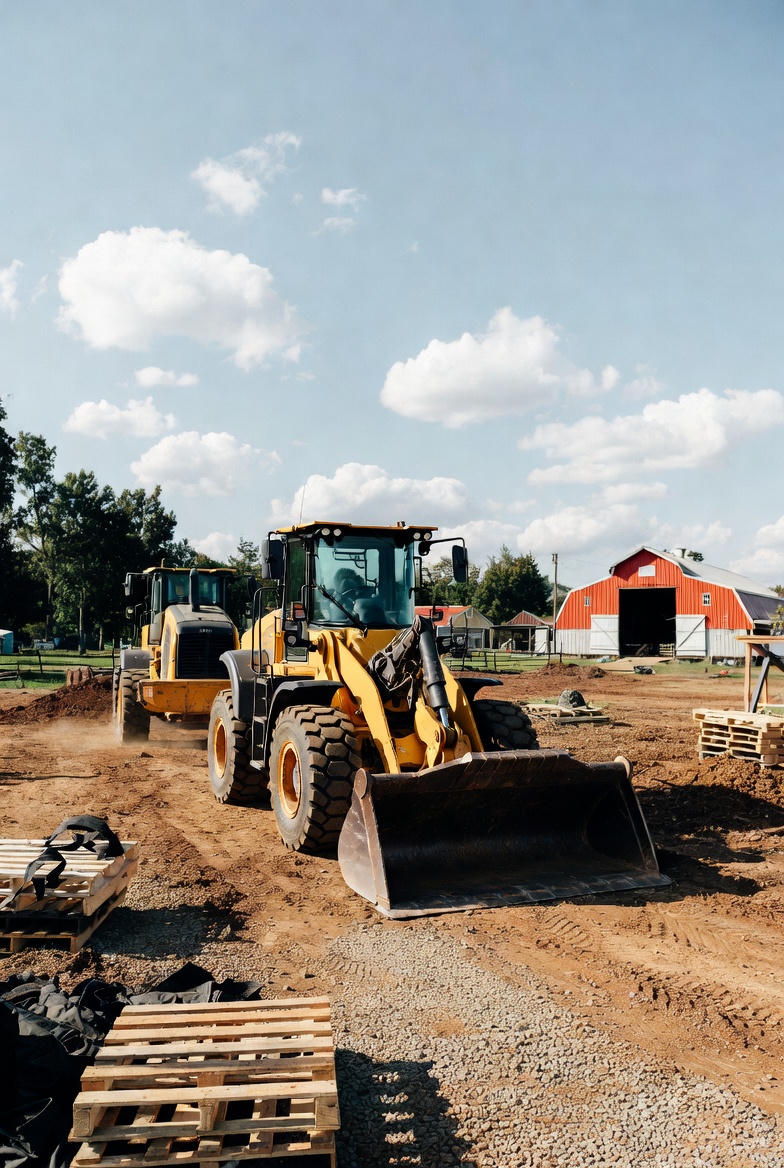
A Reinforced Frame Built for Repetitive Loading Stress
Continuous lifting cycles demand structural integrity
Farm tasks rarely involve light, occasional work. A loader in a livestock operation may carry feed several times per hour. In fruit farms, loaders move crates all day long. Repetition is what destroys weak frames. A durable loader must resist metal fatigue — the gradual weakening that happens when steel flexes thousands of times per season.
Hezhong loaders use a strengthened frame structure designed to spread stress across larger surface areas instead of concentrating it at hinge points or weld seams. This kind of reinforced geometry helps the machine keep its alignment even after years of handling silage, gravel, or packed manure. The stability operators feel when lifting heavy loads comes directly from these structural choices.
Thicker boom arms and robust articulations
A loader’s boom arms take the hardest beating. When the bucket pries into a packed silage pile or scoops crushed lime, the arms absorb twisting forces. High-quality loaders use:
-
Thicker high-carbon steel plates
-
Heat-treated hinge pins
-
Articulation joints with generous grease channels
These features slow wear and reduce the chance of cracks forming under pressure. In many farms, a well-built arm assembly is the difference between working through harvest season or waiting days for emergency welding repairs.
Hydraulic Systems That Maintain Power and Speed Under Heavy Cycles
Agricultural work requires steady hydraulic force
Hydraulics determine how quickly a loader can lift, curl, dump, and return to the pile. But speed is only useful if the system holds that speed throughout long-duty cycles. Silage pits, for example, require dozens of repeat lifts with minimal downtime. A durable hydraulic system includes:
-
High-capacity pumps that maintain flow under load
-
Large-bore cylinders that resist heat and pressure fluctuations
-
Quality seals that keep dust and moisture out
Hezhong integrates reliable hydraulic components specifically to handle continuous workloads — a trait valued by farms where loader use peaks sharply during feeding or harvest.
Heat management defines long-term durability
Heat destroys hydraulic oil, thins viscosity, and accelerates seal wear. It also creates sluggish response during peak hours. Effective systems require thoughtful cooling pathways and properly sized radiators so temperatures remain stable even when the loader is working in tight barns or dusty yards.
A Cooling System Designed for Dust, Humidity, and Long Days
Farms are hostile to cooling systems
Unlike construction sites with open air and stable surfaces, farms often expose loaders to:
-
Floating chaff
-
Moist silage vapors
-
Sticky dust
-
Narrow spaces with poor airflow
A durable wheel loader must keep its coolant and hydraulic temperatures within range even when the radiator screens collect debris. Hezhong loaders use a cooling layout that reduces clogging and supports easy cleaning — an important advantage during summer feeding cycles when ambient temperatures can already challenge the system.
Easy access for maintenance
Being able to clean the cooling screen in seconds, not minutes, is crucial during busy days. If maintenance becomes too cumbersome, operators skip it, and heat builds up. A dependable loader makes these tasks quick and intuitive.
Drivetrain and Axles Made for Rough Terrain
Farm roads punish weak drivetrains
Loose gravel, mud ruts, uneven concrete, and manure pits can all shock the drivetrain. Axles take vertical loads while tires dig through soft ground. A durable loader in this environment must include:
-
Reinforced planetary axles
-
Strong differential housings
-
Reliable 4WD engagement
These features help prevent early failures that farmers dread — especially when equipment is needed urgently.
Tires designed for agriculture
Farm operators often mix tasks: hauling feed, pushing manure, loading gravel. Tires must resist punctures, shed mud, and maintain grip in slick areas. While tires are consumables, the loader’s weight balance and torque delivery help lengthen tire life.
Operator Comfort and Visibility Directly Impact Loader Longevity
Fatigue creates mistakes; mistakes damage machines
Farm operators may spend six to ten hours daily in the cab. Fatigue increases the likelihood of hitting walls, over-digging, or misjudging lift angles. A durable loader therefore depends on a comfortable, stable operating environment.
Hezhong loaders incorporate wide-view cabs and ergonomic layouts that help operators maintain awareness in tight barns and around livestock. When operators see more, they avoid impacts that could damage arms, buckets, and hinges.
Smooth control response reduces shock loads
Jerky controls overstress booms and cylinders. A well-tuned hydraulic response minimizes sudden jolts, helping the machine last longer in daily cycles.
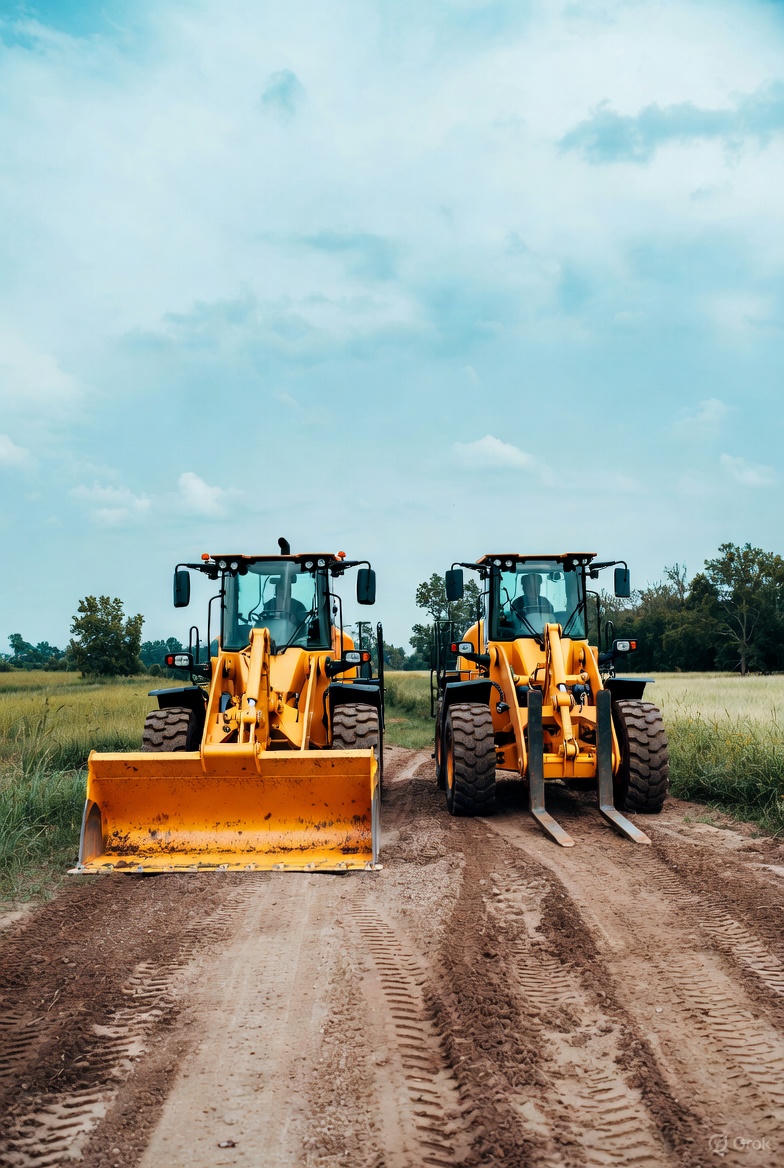
Dust and Moisture Protection: The Unseen Factor in Farm Durability
Agricultural environments contain abrasive dust, animal waste vapors, and corrosive residues. Electrical connectors, sensors, and bearings must be sealed properly. Moisture intrusion causes intermittent faults and accelerates corrosion. A wheel loader that stays reliable through years of this exposure must use:
-
Weather-sealed harnesses
-
Rust-resistant coatings
-
Protected fuse boxes
-
Grease-friendly bearing designs
Hezhong’s manufacturing standards emphasize these protective elements, which gives their loaders stability in both indoor barns and outdoor yards.
About Qingdao Hezhong Machinery Manufacturing Co., Ltd.
Qingdao Hezhong Machinery Manufacturing Co., Ltd. operates a large production base in Qingdao’s Pingdu district, with more than 400 employees and over 55 engineers dedicated to mechanical design, structural simulation, and practical field testing. The facility covers thousands of square meters and produces wheel loaders, forklifts, and related machinery for global markets across Europe, Asia, Africa, and the Americas.
The company’s machines are built around a simple philosophy: farm work demands stability and long service life. Their loaders feature reinforced frames, strong boom structures, wide-view cabs, and hydraulic systems designed for frequent lifting cycles. These characteristics align naturally with the daily demands of crop farms, livestock operations, and rural construction tasks. Hezhong also maintains a full testing process and a product inspection system that supports consistent quality — a key reason their equipment is trusted by international distributors and end-users.
Conclusion
Durability in a wheel loader is not a single trait. It is a blend of engineering decisions that determine whether the machine survives farm use year after year. When the frame stays rigid, hydraulics stay responsive, cooling systems stay clean, and operators stay comfortable, the loader becomes something farms rely on — not something they worry about.
For farms facing long harvest seasons or daily feeding cycles, loaders built with strong structural components and steady mechanical systems, like those from Qingdao Hezhong Machinery Manufacturing Co., Ltd., provide the dependability that keeps work moving. When the work is heavy and the days are long, that dependability becomes the most valuable feature of all.
FAQs: Wheel Loader Durability for Farm Work
What makes a wheel loader durable enough for farm work?
Durability comes from a reinforced frame, strong boom arms, reliable hydraulics, and protective sealing against dust and moisture. These features help the loader stay stable during repetitive farm cycles.
Why do farms need stronger loaders than construction sites sometimes do?
Farm loaders face constant repetition — feeding, hauling, pushing silage — which introduces metal fatigue. Daily moisture, dust, and tight spaces add stress that weaker machines cannot handle.
How does the cooling system affect long-term durability?
A good cooling system keeps hydraulic and engine temperatures stable even when screens collect dust. Stable temperatures mean less wear, fewer breakdowns, and longer component life.
Does operator comfort matter for loader durability?
Yes. Comfortable operators make fewer mistakes. Better visibility and smooth controls reduce accidental impacts and shock loads, which helps extend the machine’s life.
What qualities should buyers look for when choosing a durable farm wheel loader?
Look for reinforced structures, dependable hydraulics, good axle design, strong cooling performance, and a protective sealing system. These traits indicate the loader is built for tough agricultural environments.


