
Heavy snow turns large facilities into operational nightmares overnight. Runways shut down, loading docks disappear under drifts, internal roads become impassable. The stakes run higher than on city streets—flights delay, production halts, deliveries stack up. Time windows shrink to hours. Safety requirements tighten. Clearing those spaces demands more than standard road crews can deliver. Single machines often fall short in these environments. They handle small areas fine but struggle with sheer volume and speed across acres. The effective approach comes from combinations tailored to the scale and conditions. This discussion explores those setups for big-area snow removal, drawing from practical experience in the field.
Why Targeted Equipment Combinations Outperform Single Machines
Large-area snow removal differs fundamentally from typical urban clearing. Airports contend with runways and aprons where even thin ice poses risks to aircraft. Factories manage expansive lots with docks, paths, and equipment zones that require immediate access. Snow conditions vary rapidly—light powder shifts to wet slush, then frozen layers. Wind creates drifts in open spaces. Single equipment setups encounter limits quickly.
Plow trucks cover straight sections well but leave piles that block routes again. Blowers relocate snow over distance but slow on thick accumulation. Smaller loaders navigate tight spots but require endless passes on wide expanses. Crews lose time switching tools or repeating work. Bottlenecks develop around collection points.
Combinations address these issues directly. One unit pushes broad areas. Another relocates piles. A third handles details. Time per acre decreases noticeably. Fuel per square meter drops. Operators maintain productivity longer. During intense storms, the difference between completed and ongoing work measures in hours rather than days.
Big sites require that level of coordination. No individual tool covers every snow type and layout efficiently. Pairing machines that complement each other provides the speed and coverage needed for reliable results.
Core Equipment Types and Their Roles
Wheel loaders serve as the foundation in most large-scale operations. Their buckets and hydraulics shift volume that lighter units cannot manage effectively.
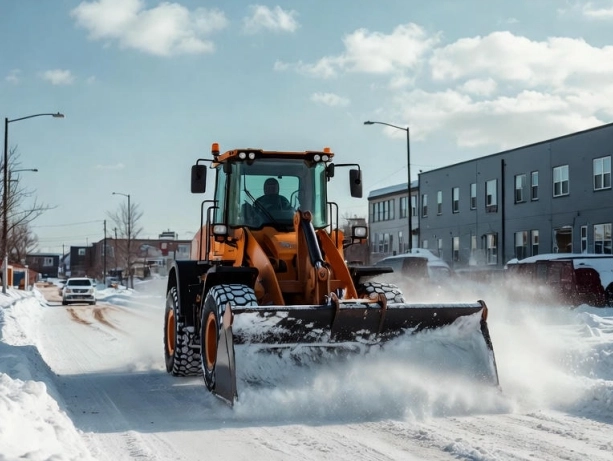
Wheel loaders lead in pushing and loading tasks. Large buckets or pushers open wide paths in few sweeps. High torque breaks compacted snow. Quick-attach systems allow rapid changes to blowers when relocation becomes priority. In tarmacs or yards, that capacity keeps primary zones open while detail work follows.
Snow pushers or blades extend efficiency. Wide designs contain snow without scatter, guiding it to collection spots. Angled setups windrow on long stretches. Paired with loaders, they reduce travel dramatically—the loader avoids chasing loose material.
Blowers manage relocation needs. Strong throw distances move snow over barriers or into trucks without re-handling. In tight collection areas, they prevent jams that force constant repositioning.
These pieces fit together naturally. A loader with pusher clears bulk. The same machine swaps to blower for finish. Or dedicated units run parallel—one pushes, one blows. The mix determines pace.
Recommended Combinations by Scenario
Sites vary, so setups adjust accordingly.
Airport runways and aprons prioritize speed and precision. Wide pushers on large loaders open main surfaces rapidly. Follow-up with blowers to throw residual snow beyond markers. High-capacity buckets load trucks for off-site haul if storage is limited. Short windows between flights leave no margin. This sequence restores operations quickest.
Factory and logistics yards mix open lots with narrow paths. Mid-size loaders with versatile pushers handle yards. Compact units with blowers navigate docks. Rotating heads adjust direction without turning the whole machine. Snow clears from truck paths and pedestrian zones without blocking flow.
Mixed large sites combine runways, parking, and internal roads. Large loaders push main areas first. Mid-size units follow for details. Blowers relocate piles to designated spots. Prioritizing main paths keeps critical access open early.
Public parking lots attached to facilities add another layer. Wide pushers clear rows efficiently. Blowers relocate to edges without obstructing vehicles. Coordination prevents re-blocking as cars arrive.
Attachments That Raise Efficiency
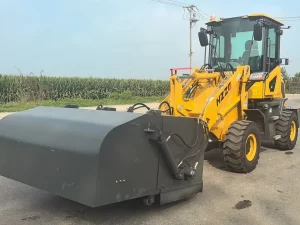
Attachments turn general machines into snow specialists.
Pushers in varying widths contain volume. V-styles cut drifts. Blowers with adjustable chutes direct throw precisely. Quick-couplers make changes fast. Matching attachment to snow type and area size cuts passes needed.
Configurations fit local storms. Wet heavy snow favors containment pushers. Dry powder benefits from blowers. Standardized couplers allow sharing across fleet.
Side-shift pushers help in offset clearing. Folding wings adapt width on the fly. These options reduce repositioning in irregular areas.
Operation Practices and Risk Control
Winter conditions test both equipment and crews.
Cold starts require preparation—heating systems, proper fluids. Salt exposure demands regular washing to prevent corrosion. Operators watch for ice on joints or visibility loss.
Safety centers on awareness. Large glass cabs and cameras cut blind spots. Stability controls help on uneven surfaces. Training emphasizes spacing and speed in low visibility.
Maintenance keeps units ready. Daily checks catch wear early. Protected lines resist damage. These habits avoid breakdowns when storms peak.
Communication between operators prevents overlap or missed sections. Designated pile locations streamline flow.
Efficiency Gains from Real Operations
A logistics park with heavy winter snowfall deployed mid-range loaders with pushers. Clearing time for loading areas dropped from six hours to three. Fuel per shift fell noticeably from fewer idle runs.
A coastal area facing wet snow used large units for primaries and compact for alleys. Traffic restored in four hours versus eight. Parts costs dropped 30% from standardization.
An airport handling regional flights used large loaders with wide pushers for runways, compact ones with blowers for gates. Turnaround between flights improved, delays from snow cut in half over the season.
A manufacturing campus with multiple buildings and yards combined large loaders for open lots and mid-size for internal roads. Snow relocation to central piles prevented re-blocking. Overall clearing cycle shortened 45% compared to previous single-machine approach.
A distribution center with extensive docking areas paired loaders with rotating blowers. Snow moved to end zones without interfering with truck movements. Loading resumed 50% faster after storms.
Qingdao Hezhong Machinery Manufacturing Co., Ltd. Support for Large-Scale Snow Removal
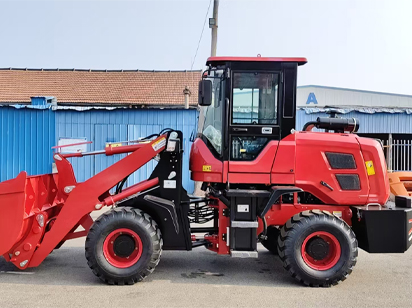
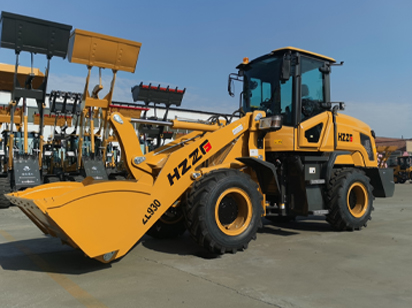
Qingdao Hezhong Machinery Manufacturing Co., Ltd. produces wheel loaders designed for heavy work, including models suited to snow operations with full-hydraulic systems and attachment compatibility. The company’s range supports various sizes for different area needs, with focus on durability in cold conditions.
Conclusion
Large-area snow removal benefits from thoughtful equipment combinations. Wheel loaders paired with pushers and blowers address volume, speed, and relocation effectively. Matching machines to site layout and snow type delivers faster, safer clearing. These approaches keep airports flying and factories running through winter storms.
FAQs
What makes wheel loaders central to large-scale snow removal?
Their capacity and power handle heavy accumulation quickly, forming the base for efficient combinations.
How do attachments improve snow clearing in big areas?
Pushers and blowers extend reach and relocation, cutting passes and time needed.
Why combine multiple machines for airport or factory snow work?
Single units leave gaps in coverage; combinations ensure complete, rapid clearing.
What role do blowers play in wheel loader snow operations?
They relocate snow far without repeated handling, preventing pile buildup.
How to match wheel loader size to snow removal needs?
Larger for open expanses, mid-size for mixed or constrained areas.