
Introduction
Winter operations place unique demands on wheel loaders used for snow removal. Municipal crews, contractors, and facility managers need machines that maintain traction on ice, handle heavy wet snow without bogging down, and keep operators productive in freezing conditions. How to evaluate wheel loader performance in snow conditions requires attention to specific engineering and operational indicators rather than general specifications.
Slippery surfaces reduce grip dramatically. Deep accumulations challenge breakout force and bucket fill. Cold temperatures affect hydraulic response and visibility. Poor matches lead to delays, higher fuel use, and safety risks.
A highway maintenance team in northern regions once struggled with frequent spinning on compacted snow. Switching to models with better weight distribution and tire options cut clearance times noticeably. Similar improvements appear when evaluating drive systems, ground pressure, and winter-ready features systematically.
Extended storms test endurance further. Machines must start reliably in sub-zero mornings and operate through long shifts without mechanical setbacks. Visibility remains critical as daylight fades and blowing snow reduces sight lines. Comfort features influence operator alertness over hours of repetitive pushing and stacking.
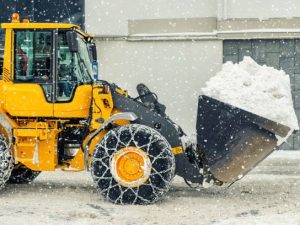
Key Challenges in Snow Operations
Snow and ice create obstacles that standard conditions rarely match.
Traction loss ranks highest. Smooth ice or packed snow drops friction coefficients sharply. Machines without adequate drive torque or tire contact slide instead of advancing. Wet heavy snow adds resistance that overwhelms lighter designs.
Stability suffers on uneven frozen ground. High centers of gravity combined with shifting loads raise tipping risks during pushing or stacking. Side slopes formed by plowed banks amplify dangers.
Ground pressure determines flotation. Narrow tires sink into deep powder, stranding equipment. Wide footprints distribute weight better, though they may compromise maneuverability in tight spaces.
Visibility and comfort decline in blowing snow and low light. Fogged windows or cramped cabs slow progress and fatigue operators. Cold air infiltration reduces focus during extended exposure.
Cold starts and hydraulic lag delay readiness. Thick fluids move slowly until warmed. Battery drain from repeated attempts compounds frustration.
These factors compound in prolonged storms. Extended exposure tests machine limits beyond short demonstrations. Overnight accumulations demand rapid response before traffic resumes.
Traction and Drive System Evaluation
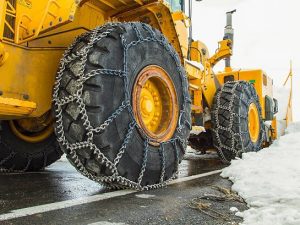
Traction forms the foundation for snow work.
Four-wheel drive systems deliver power to all corners. Limited-slip or locking differentials prevent single-wheel spin. Torque converters with lock-up reduce slippage in push modes.
Tire choice influences grip dramatically. Wide bases lower pressure per square inch. Aggressive lugs bite into loose material. Chains add studs for ice penetration. Dual configurations increase contact area.
Weight distribution affects pull. Articulated frames maintain contact across undulations. Counterweights balance bucket loads. Rear-mounted engines shift mass backward for better rear traction.
Hydraulic flow supports sustained effort. High-capacity pumps feed drive motors without starvation during heavy pushes.
Field tests reveal differences. Pulling a loaded bucket up moderate inclines on packed snow shows breakout force and sustained drive. Consistent forward motion without excessive wheel spin indicates strong performance.
Stability and Ground Pressure Assessment
Stability prevents incidents in slippery environments.
Low centers of gravity resist rollover. Wide stances increase tipping angles. Oscillating rear axles keep tires planted on rough frozen surfaces. Reinforced frames handle dynamic loads from sudden stops.
Ground pressure calculations guide flotation. Divide operating weight by total tire contact area. Lower figures prevent sinking in powder. Results vary with tire width and inflation.
Bucket design contributes. Curved backs reduce hang-up on sticky snow. High backs contain tall piles without spillage. Side cutters aid clean passes.
Operators note handling during turns with raised loads. Smooth articulation without sway signals solid engineering. Quick steering response maintains control on slick bases.
Snow Removal Efficiency and Attachments
Clearance speed depends on bucket and accessory match.
Bucket capacity and shape matter. General purpose designs fill quickly in light fluff. Heavy-duty rock buckets resist damage from hidden obstacles under snow. Wide profiles push larger windrows.
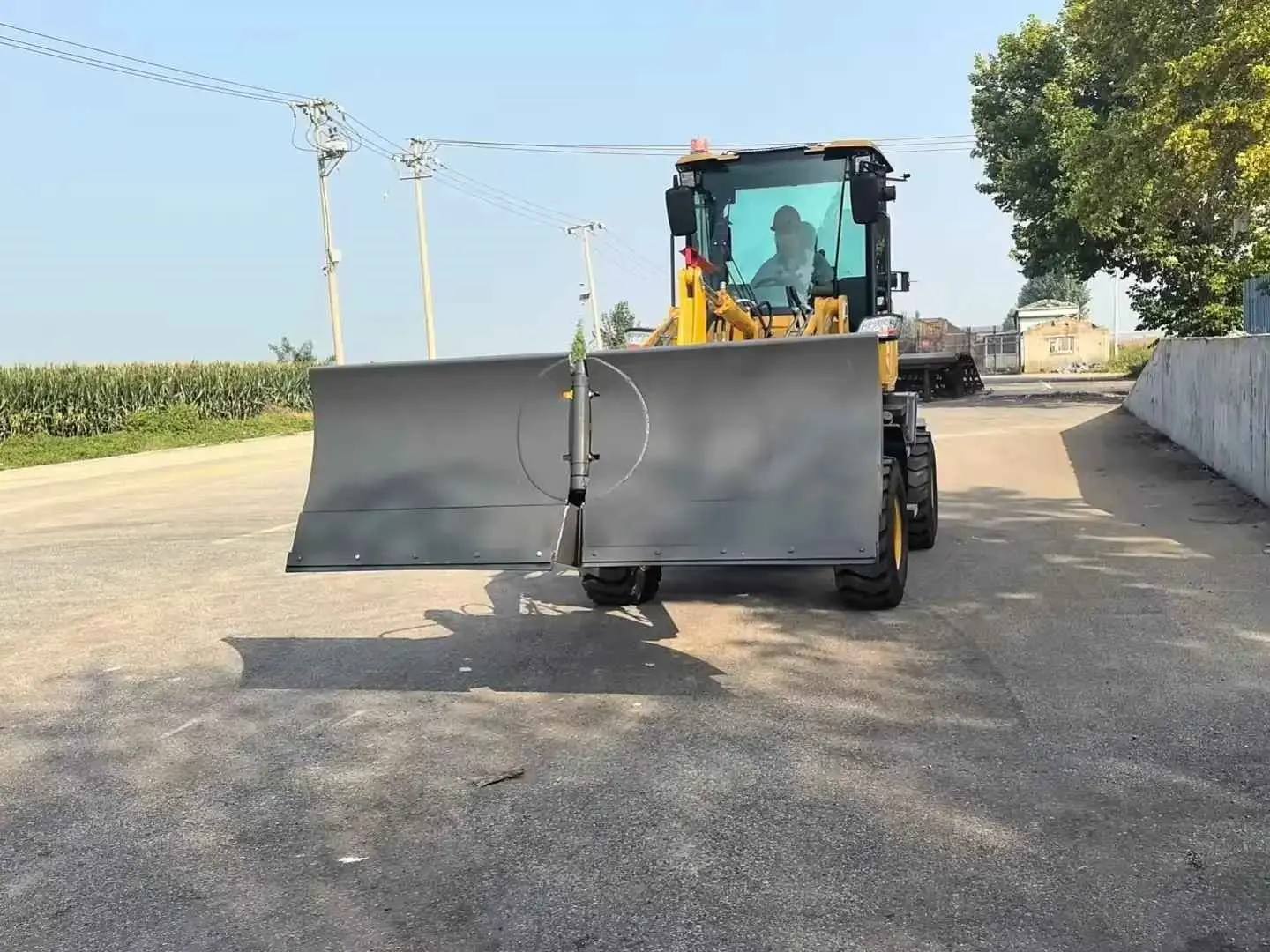
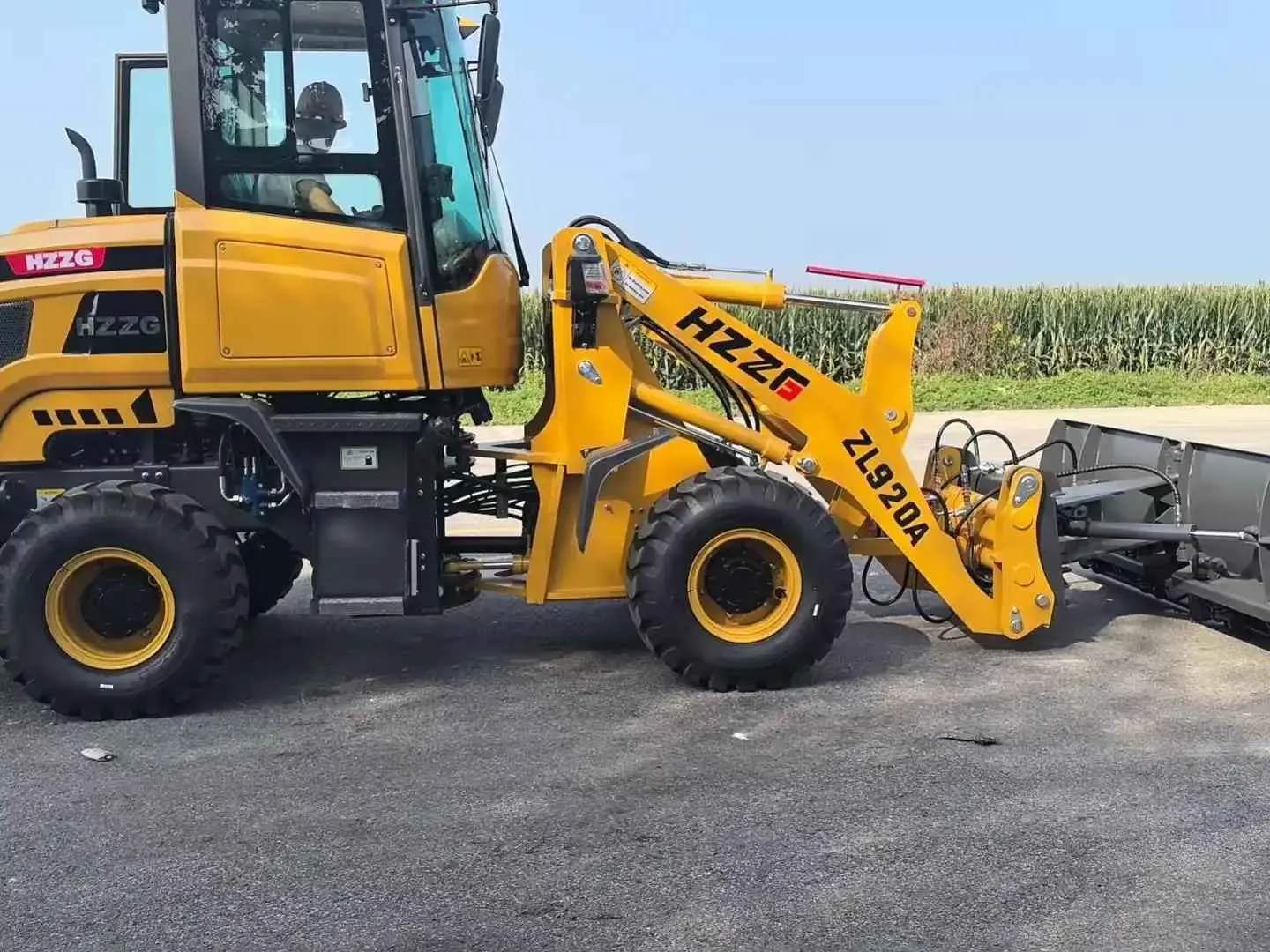
Quick couplers enable fast swaps to push blades or V-plows. Hydraulic angle adjustments allow windrowing without repositioning. Side wings extend coverage on single passes.
Blowers or sweepers extend versatility for finish work. Flow rates must match auxiliary hydraulics. For a phase-by-phase view of what works as winter operations shift from pushing to stacking, see [wheel loader snow removal phases and attachment choices]. High-lift arms reach over berms.
Efficiency metrics include area cleared per hour. Machines that maintain speed while pushing full loads outperform others. Cycle times from dig to dump influence total productivity.
Operator Comfort and Winter Adaptability
Long shifts demand supportive environments.
Enclosed cabs with heat and defrost keep windows clear. Ergonomic seats reduce fatigue. Joystick controls allow precise operation without strain. Adjustable armrests support extended reach.
Cold weather packages include block heaters and battery warmers. Fast warm-up hydraulics respond promptly. Insulated fuel lines prevent gelling.
Visibility features like large glass areas and LED lights aid low-light work. Rear cameras prevent backing incidents in whiteouts. Wipers with washer fluid heaters maintain clear views.
Comfort translates to productivity. Operators stay alert longer in well-designed cabs. Reduced vibration from cushioned mounts limits physical stress.
Real-World Cases and Data Comparison
Practical examples illustrate indicator importance.
A municipal fleet in heavy snowfall zones compared similar-sized loaders. One featured wide tires and locking differentials. It cleared lots faster with fewer stuck incidents. Fuel records showed lower consumption during continuous pushing.
Another operation tracked fuel use during storm response. Models with efficient hydraulics and low rolling resistance consumed noticeably less during extended pushing.
Port facilities handling container yard snow favored machines with quick couplers. Attachment changes cut setup time significantly. Operators reported better control on concrete covered in ice.
Data from northern contractors shows chains increasing effective traction on ice by substantial margins. Wide tires reduced sinking events in deep drifts. Heating systems cut morning warm-up delays.
These outcomes highlight how targeted features deliver measurable advantages across varied winter tasks.
Evaluation and Selection Guidelines
Systematic assessment yields better choices.
Start with duty cycle analysis. Estimate annual snow hours versus other tasks. Prioritize winter features accordingly. Review expected snowfall types and depths.
Test drive in controlled snow if possible. Push piles, climb inclines, check visibility. Note hydraulic response in cold conditions.
Review specifications against needs. Compare ground pressure, breakout force, auxiliary flow. Calculate flotation for typical accumulations.
Certification confirms quality. International standards validate component reliability. Warranty coverage indicates manufacturer confidence. In snow work, reliability is less about one strong test run and more about repeatable build quality across long shifts—so certifications matter when they reflect standardized manufacturing control and consistent component sourcing.
Maintenance access matters. Easy grease points and fluid checks reduce winter downtime. Protected brake lines prevent damage from ice buildup.
Cost of ownership includes parts availability and service support. Local dealer networks speed repairs during peak seasons.
Introducing Qingdao Hezhong Machinery Manufacturing Co., Ltd.
Qingdao Hezhong Machinery Manufacturing Co., Ltd. produces wheel loaders since 2007. Facilities span over 50,000 square meters across three factories dedicated to research, development, and production.
Annual output exceeds 15,000 units focused on models 3 tons and below. Designs suit forestry, agriculture, and general material handling. Full hydraulic systems provide smooth operation. European-style cabs offer wide visibility and comfort.
Products carry CCC, ISO 9001, ISO 16949, CE, and other certifications. Exports reach Europe, Africa, Central Asia, North America, Russia, and South America.
Customization options address specific regional needs. Professional technical and after-sales support accompany every machine.
Conclusion
Evaluating wheel loader performance in snow conditions requires focus on traction, stability, efficiency, and operator support. These indicators determine success in demanding winter work.
Machines matched to snow challenges deliver safer, faster clearance with lower operating stress. Careful assessment guides selections that perform reliably season after season.
FAQs
What traction features matter most for wheel loaders in snow?
Four-wheel drive with differential locks and wide tire options provide essential grip on slippery surfaces.
How does ground pressure affect snow performance?
Lower pressure from wide tires prevents sinking in deep accumulations while maintaining mobility.
Why prioritize cab comfort for winter operations?
Heated, spacious cabs with clear visibility keep operators effective during long cold shifts.
Which attachments improve snow removal efficiency?
Quick-coupler compatible push blades and buckets allow fast adaptation to changing conditions.
How do certifications relate to snow reliability?
International standards validate durability and component quality under harsh winter use.