



Choosing the correct chargeur à roues for underground mining is a crucial task that directly affects to mining’s productivity, safety and efficiency. The different environments found in the mines and the different types of ore to be extracted require a great variety of solutions and that’s why the wheel loader must be perfectly matched to the needs of each situation. In this article we will study some of the key factors that must be taken into account when choosing the correct wheel loader for the different mining situations.
What Factors Should Be Considered When Selecting an Underground Wheel Loader?
Choosing an underground wheel loader for mining requires a thorough assessment of technical, operational and environmental key performance indicators. This assessment aims to strike a balance between productiveness, safety and costs and can apply to a wide array of underground situations.
Machine Size and Capacity
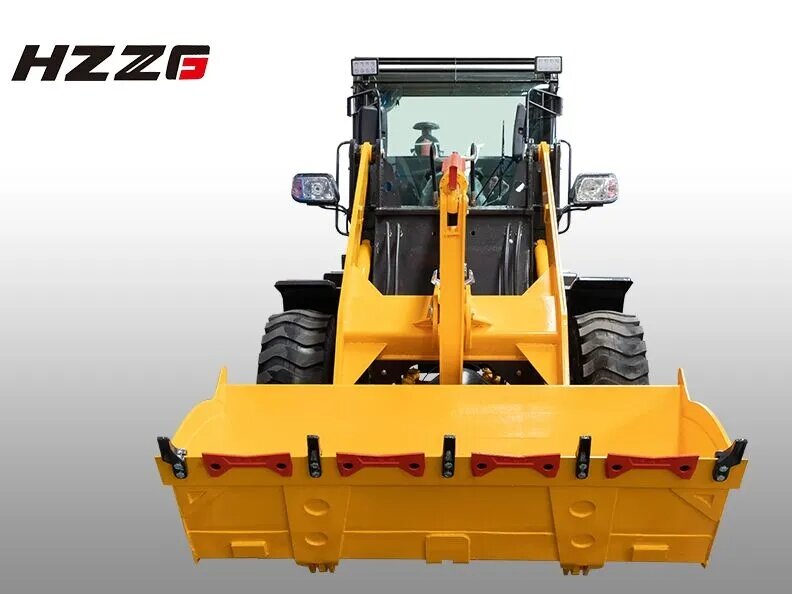
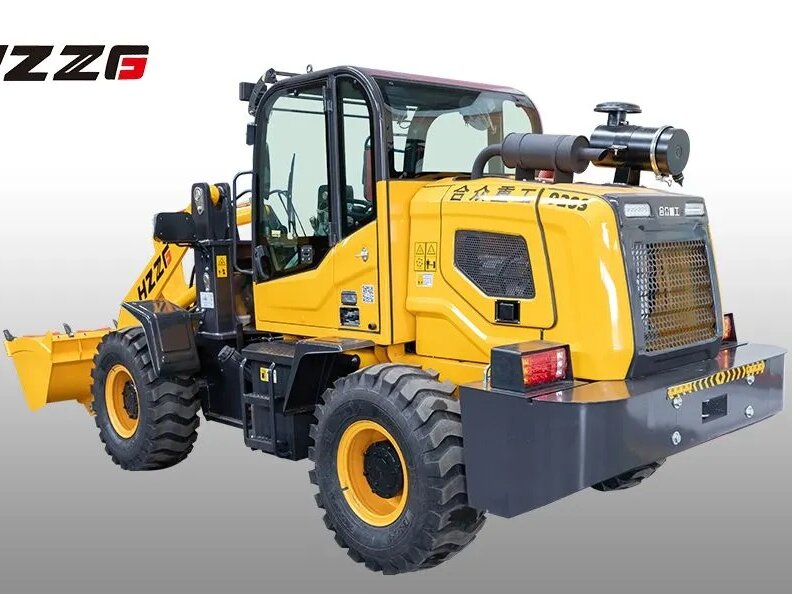
The size of the machine is a critical factor for the maneuverability within the narrow tunnel structures. The loader must be of a size that fits into the drifts and the haulage ways of the mine. The bucket size must be matched to the required production and to the density of the material to be loaded in the optimal number of lift cycles without putting too much strain on the power train. In narrow or low profile mines compact machines are preferred due to their ability to work in confined spaces. The mini chargeur à roues is a type of earth and stone movement equipment that is widely used in highway construction, railway construction, hydropower projects, building construction, port construction and other construction projects in mines and other fields. This versatile machine is also very suitable to be used underground, because of its small dimensions it is very agile and can work in any space where there is room to put the machine in the operating position. The Eart and Stone Construction Mini Wheel Loader ZL920S is a fine example of such a versatile machine.
Powertrain and Engine Performance
Assessing the engine power of a loader against gradient resistance and repetitive loading in underground haulage applications. A loader with high torque at low speed provides the best tractive force on uneven or uphill terrain. In addition to good tractive force, the engine must also comply with emission requirements such as Tier 4 / Stage V in well-ventilated areas. An efficient power transmission also provides good fuel efficiency and operating performance in long operating hours.
Durability and Maintenance Requirements
The underground environment is tough on equipment as it is frequently in contact with abrasive materials, moist and corrosive. For this reason, the loader’s frame is reinforced, all joints are sealed and the hydraulic lines are protected. Maintenance on the underground loader is simple as all access points are easily reached. This means that time lost due to breakdowns is kept to a minimum especially during shift change-over or scheduled maintenance periods. The mini wheel loader has the advantages of fast working speeds, high efficiency, good maneuverability and light operation, which is why it is the most commonly used piece of equipment for earth and stone work in engineering construction. The advantages of the mini wheel loader are also relevant in underground mining where uptime is of the essence and reliability is paramount.
How Does the Mining Environment Influence Loader Selection?
Every mining environment has its own specific operating challenges and requires a corresponding loader configuration. Hard rock, poor ventilation, temperature, ground stability – a number of different factors have to be taken into account.
Hard Rock vs. Soft Rock Operations
Material handled in hard rock mines requires loaders with higher breakout force and stronger structure. The buckets on such machines must be reinforced to be able to dig in to dense ore bodies. Soft rock mines, on the other hand, are better to work with using lighter equipment that is able to complete cycle fast enough to offer required material handling efficiency. Bucket design must also be matched to allow required volume for given material density.
Ventilation and Temperature Conditions
The quality of ventilation has a significant bearing on engine selection. In poorly ventilated areas it may be necessary to incorporate diesel particulate filters or go to an electric drivetrain in order to minimize exhaust emissions. The design of the cooling system must also take into account the higher ambient temperature found near the face or deep down in the mine. Electric or hybrid loaders have the added advantage of not generating excessive heat and providing a constant power output.
Ground Stability and Traction Needs
Ground stability determines tire type and steering configuration. Articulated steering provides the best maneuverability in uneven ground such as found in sublevel stopes and development headings. Muddy, rocky or sandy ground requires a choice between solid tires for puncture resistance and foam-filled tires for traction control stability.
Why Is Operator Comfort and Safety Important in Loader Selection?
Operator comfort goes beyond providing good ergonomics and actually determines output and long-term safety in underground confined spaces.
Ergonomic Cabin Design
Modern cabins are designed with adjustable seating in order to keep operators at work for long periods of time without feeling fatigue. Operator comfort is also maximized by use of low vibration mounts and noise insulation in order to maintain concentration even in the most acoustic of environments. Wide-angle tunnel facing windows give operators the best possible view of the tunnel ahead in order to avoid collision when negotiating tight bend’s or reversing in limited spaces.
Safety Systems Integration
Loader designs have integrated various safety features in recent years. Many loaders are equipped with proximity detection systems that alert the operator of persons or objects near the machine. Such systems are especially important in dark drifts. In addition to proximity detection systems, fire suppression systems are mandatory for diesel-powered loaders that are used underground, since the risk of ignition by fuel vapors or hydraulic oil leaks is very high. Loader cabins must be ROPS/FOPS certified to offer sufficient protection against accidents such as a roll-over or a fall of objects.
How Do Automation and Technology Affect Loader Performance?
Innovations in technology continue to play a major role in transforming underground mining to include automation and digital connectivity.
Remote Operation Capabilities
Remote-controlled loaders can be operated from hazardous zones without having human beings present below ground level. The operation of Teleoperation systems takes place from safe locations, thus enhancing safety when people are operating in high-risk areas. However, personnel are removed from these high-risk areas and work continues without interruptions during the production’s blasting cycles or during the shifts of the maintenance personnel. Real-time monitoring systems enable the plant supervisors to react immediately to any mechanical anomalies or to changes in the environment that are detected by the vehicle’s sensors.
Data Analytics and Fleet Optimization
Using advanced telematics we are able to capture information on key parameters such as fuel usage, load cycles, idle time and scheduled maintenance, enabling the optimization of a variety of different functions within a fleet. Additionally predictive maintenance of assets such as axles and hydraulic pumps identifies potential failures before they occur, reducing instances of unplanned down time and ensuring maximum possible usage from assets across multiple mining applications.
What Role Does QINGDAO HEZHONG MACHINERY MANUFACTURING CO., LTD Play as a Reliable Supplier?
QINGDAO HEZHONG MACHINERY MANUFACTURING CO., LTD. is the reliable supplier for its professional wheel loaders that work at the very harsh mining environments. The wheel loader ZL920S made by HEZHONG machinery features the good engineering design and good hydraulic system performance that can be perfectly used in the surface construction sites as well as the narrow underground working areas. It is mainly used to load and unload materials like earth, sand, lime, coal, etc. Due to the materials worked in the mines are so different, the loader can work well in different industries. Additionally, the wheel loader also can be used to pull other machineries, push earth and to level the earth, which means the users can get all kinds of solutions for their working sites from just one machine. The solutions are versatile to meet different working requirements.
We are totally committed to highest quality standards and to the continuous improvement of our products in order to ensure the maximum reliability in harsh environments. After sales service network is able to provide prompt technical assistance in order to guarantee a correct and efficient equipment’s operation during all its life cycle.
Key Takeaways for Selecting the Right Underground Wheel Loader
Choosing the correct underground wheel loader requires matching up the machine’s characteristics with the specific site requirements, such as the dimensions of the tunnel, the hardness of the rock, ventilation requirements and the health, safety and welfare of the operator. The key factors to consider are the mine layout and the dimensions of the machine, engine power and tractor efficiency under load, machine durability and resistance to wear when working in abrasive conditions, ergonomics and operator comfort, health, safety and welfare, integrated safety features to prevent accidents, and automation to increase the efficiency of the entire fleet of machines.
Questions fréquentes
What is the typical lifespan of an underground wheel loader?
The lifespan depends on how intensively a filter is being used, how it is being maintained and what environmental conditions it is exposed to. Under good conditions, a filter has a lifespan of approximately 20,000 to 30,000 operating hours.
Are electric wheel loaders suitable for all types of underground mines?
We prefer to use electric loaders when working in a poorly ventilated environment or when emission reduction is key. They are not suitable for working in a very remote location where the necessary charging points are not available.
How often should preventive maintenance be scheduled for underground wheel loaders?
Preventive maintenance should adhere to manufacturer guidelines but generally involves daily inspections complemented by comprehensive servicing every 250–500 operating hours depending on workload severity and exposure levels within the mine environment.


