



Elegir lo correcto carretilla elevadora mástil para almacenes con altas estanterías requiere una revisión exhaustiva de varios factores operativos clave. El tipo de mástil, la altura de elevación, las características de carga y la configuración del almacén dan forma a la eficiencia y seguridad generales de la carretilla elevadora. En entornos de alta estantería donde el uso del espacio vertical importa mucho, estos puntos se vuelven aún más importantes. Ayudan a garantizar un trabajo constante y una fiabilidad duradera.
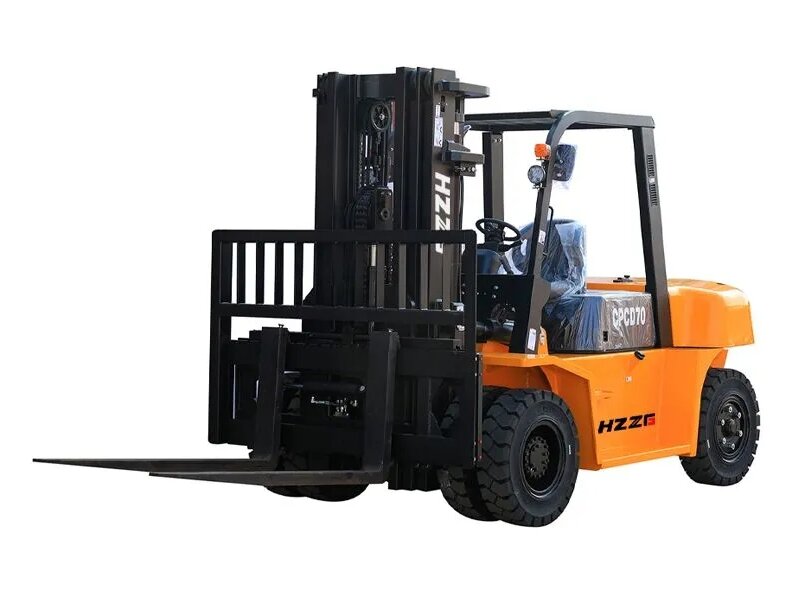
La relación entre el tipo de mástil y la altura de elevación
Los mástiles de carretilla elevadora vienen en varios tipos. Estos incluyen Simplex (de una etapa), Duplex (de dos etapas), Triplex (de tres etapas) y Quad (de cuatro etapas)Cada uno trae beneficios específicos en función de la altura de elevación y el espacio necesarios por encima. Por ejemplo, los mástiles simplex funcionan bien para pilas cortas o trabajos al aire libre donde los límites de altura no son estrictos. Los mástiles dúplex ofrecen un alcance justo con mejores líneas de visión.
Los mástiles triplex y quad destacan en áreas de almacenamiento altas. Proporcionan un mayor rango de elevación mientras mantienen una pequeña altura plegada. Esta configuración permite que las carretillas elevadoras pasen a través de puertas o puntos aéreos apretados sin perder la capacidad de elevación superior. Al elegir un mástil para tareas de estantería alta, es vital ajustar la altura plegada a la barrera más baja del edificio. De esta manera, evita detenciones o daños a las estructuras.
Capacidad de carga y centro de gravedad
El vínculo entre la altura de elevación y la capacidad de carga funciona al revés. A medida que el mástil sube más alto, la capacidad de carga disminuye. Esto sucede porque el centro de gravedad se mueve con la altura. Afecta el equilibrio en general. Por lo tanto, los operadores necesitan comprobar la capacidad nominal al máximo. No deben confiar solo en las cifras de nivel terrestre.
La configuración del contraequilibrio también es muy importante para mantener el equilibrio durante las elevaciones altas. Una carretilla elevadora debidamente pesada mantiene las fuerzas laterales bajo control cuando se mueven palets pesados hacia arriba. Conocer bien el comportamiento de la carga reduce los riesgos de inversión. También aumenta la confianza del conductor cuando guía cerca de los estantes superiores.
Visibilidad y eficiencia del operador
La visión clara juega un papel importante en la seguridad y la salida durante tareas de almacénLos mástiles construidos con vías de visión abierta o líneas hidráulicas desplazadas dan a los operadores una mejor visión para recoger o colocar palets. Mejor visión reduce las áreas ocultas. Esto ayuda mucho en pasillos delgados donde se necesitan movimientos exactos.
Las nuevas construcciones de mástil utilizan formas inteligentes de camino para reducir los bloqueos mientras mantienen la fuerza firme. Estos cambios permiten manejar rutinas más fáciles. También reducen el cansancio al permitir que los operadores mantengan una posición normal durante largos períodos de trabajo. Las vías de visión más fuertes no solo aumentan la producción, sino que también disminuyen las tasas de incidentes en lugares de almacenamiento llenos comunes en almacenes de estantes altos.
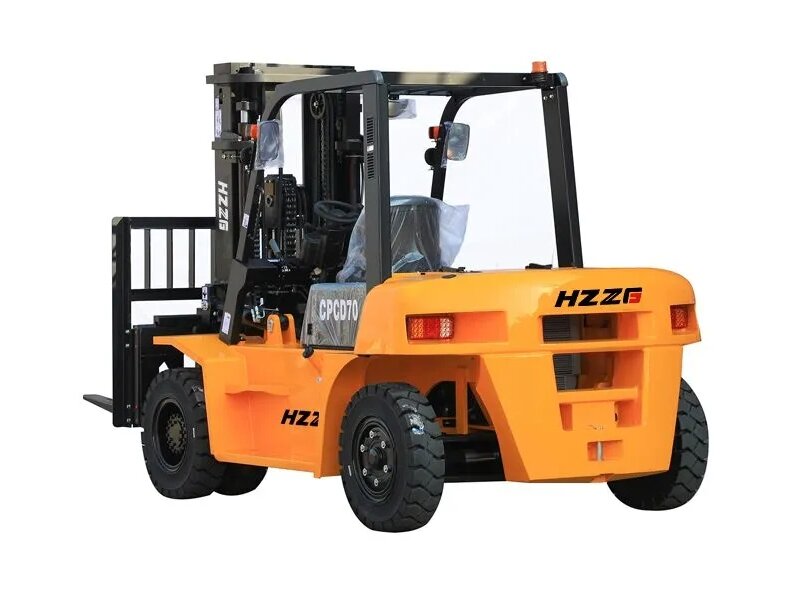
¿Cómo influye el diseño del almacén en la selección del mástil?
Los rasgos básicos de un almacén, como la altura del techo, el ancho del camino y la configuración del estante, afectan en gran medida a qué tipo de mástil de carretilla elevadora funciona mejor. Comprender estos límites de espacio asegura que la elección de engranajes se ajuste tanto a los objetivos de trabajo como a las normas de seguridad.
Ancho del pasillo y radio de giro Requisitos
En lugares con caminos delgados para aumentar el espacio de almacenamiento, la facilidad de movimiento es crucial. Las pequeñas unidades de mástil con configuraciones de control exactas permiten que las carretillas elevadoras funcionen bien en lugares estrechos. Evitan golpes con estantes o artículos. Para configuraciones muy estrechas, los camiones de alcance o las carretillas elevadoras articuladas pueden dar mejores opciones. Tienen un círculo de giro más estrecho.
Asegurarse de que haya suficiente espacio para girar evita el desgaste adicional de los neumáticos y las piezas. También mantiene el flujo de trabajo sin descansos. Al planificar o actualizar los diseños de almacenes, los expertos deben considerar tamaños fijos como el ancho del camino. También necesitan pensar en elementos móviles, como caminos de giro en varios ángulos de dirección.
Altura del techo y restricciones de densidad de almacenamiento
La altura del techo establece el límite superior para apilar en un almacén. Para sistemas de estantes de más de 10 metros de altura, a menudo se requieren mástiles triplex o quad para usar toda la altura. Sin embargo, los operadores deben dejar suficiente espacio entre las paletas superiores y los elementos del techo como los aspersores de agua o las luces. Esto sigue las normas de seguridad.
Las configuraciones densas como los sistemas de pasillo muy estrecho (VNA) generalmente necesitan mástiles especiales. Estos vienen con guías de cámara o herramientas láser para colocación spot-on a niveles muy altos. Estas herramientas permiten a los operadores gestionar cargas con seguridad. Incluso cuando las vistas directas están bloqueadas por marcos de estante, funciona.
¿Por qué es importante la velocidad de elevación y el rendimiento hidráulico?
La velocidad de elevación se une directamente a la salida en almacenes activos. Allí, el ahorro de tiempo impulsa las ganancias. La configuración hidráulica decide cómo las cargas suben o bajan a diferentes alturas sin perder la estabilidad.
Evaluación del diseño del sistema hidráulico
Las carretillas elevadoras más nuevas utilizan cilindros hidráulicos de múltiples partes. Estos dan una acción de elevación constante sobre todas las partes del mástil. La construcción asegura cambios uniformes entre las partes. También reduce los cambios de presión que pueden desequilibrar cargas altas. La aceleración constante evita golpes rápidos que podrían cambiar las paletas o tensionar las piezas de la máquina.
Las configuraciones hidráulicas de ahorro de energía se suman a los recortes de costos continuos. Reducen el consumo de energía en tareas de elevación repetidas. Al final, esto significa menores costos de funcionamiento sin perder el trabajo constante. Ese es un punto clave para los grandes grupos de almacenes que funcionan sin parar en varios turnos.
Equilibrar la velocidad de elevación con las normas de seguridad
Las velocidades de elevación más rápidas pueden mejorar las medidas de trabajo, pero deben cumplir con las normas de seguridad para trabajos elevados. Las válvulas electrónicas inteligentes pueden cambiar el ritmo de elevación basándose en la entrada en vivo de los detectores de carga. Esto asegura que los objetos pesados suban más lentamente que los ligeros.
El seguimiento de normas globales como ISO 3691-1 garantiza que las configuraciones hidráulicas alcancen marcas de trabajo estrictas en entornos de fábrica difíciles. El cumplimiento de estas reglas protege a las personas y al equipo. Al mismo tiempo, mantiene la producción constante en diversos lugares de almacén.
¿Qué papel juega el mantenimiento en la longevidad del mástil?
Los mástiles de carretilla elevadora se enfrentan a una fuerte tensión mecánica en el trabajo diario. Por lo tanto, el mantenimiento regular es clave para mantener el sonido de la estructura y alargar el tiempo de uso.
Puntos de inspección de rutina para mástiles de carretillas elevadoras
Los controles estándar deben dirigirse a cadenas, rodillos, rodamientos, poleas y trayectorias de mástil. Estas partes se desgastan principalmente por las fuerzas de frotamiento. Los horarios de aceite deben coincidir exactamente con las directrices del fabricante. Esto detiene la descomposición temprana de elementos móviles.
Encontrar desalineamiento pronto ayuda a esquivar las reacciones en cadena de fallos. Esos podrían causar paradas costosas o accidentes con la caída de cargas. El uso de registros digitales de mantenimiento permite a los líderes rastrear bien los tiempos de servicio. Esto abarca todo un grupo de máquinas en puntos de estantería alta.
Importancia del uso de piezas de repuesto genuinas
La adhesión a las piezas del fabricante de equipos originales (OEM) garantiza el ajuste con los planes hidráulicos actuales. También mantiene los niveles de carga aprobados establecidos por expertos en diseño. Las opciones falsas pueden parecer baratas al principio. Pero pueden traer cambios en los niveles de ajuste que perjudiquen la precisión de elevación o desencadenan problemas de seguridad ocultos.
Trabajar con equipos de servicio aprobados asegura el seguimiento de métodos de reparación respaldados por fábrica. También mantiene la garantía en piezas clave como cilindros o sellos. El uso constante de piezas reales ayuda a la estabilidad a largo plazo. Esto da una ventaja clara a los almacenes que dependen del movimiento continuo de mercancías.
¿Cómo puede QINGDAO HEZHONG MACHINERY MANUFACTURING CO., LTD apoyar sus operaciones de almacén?
QINGDAO HEZHONG MACHINERY MANUFACTURING CO., LTD. es un fabricante cualificado de carretillas elevadoras. Es conocido por sus soluciones de diseño fuertes adecuadas para puntos de almacén complicados. La empresa proporciona muchas carretillas elevadoras para usos de estantes altos. Estos tienen estructuras de mástil resistentes, hidráulica exacta y áreas de conductor fáciles de usar que cumplen con las marcas de calidad mundiales. Su grupo de expertos ofrece asesoramiento personalizado basado en controles de espacio de almacén. Esto asegura que cada tipo de carretilla elevadora se ajuste perfectamente a las necesidades de trabajo. Al mismo tiempo, cumple con las normas de seguridad.
Mezclando la tecnología superior con el conocimiento del diseño del mundo real, QINGDAO HEZHONG MACHINERY MANUFACTURING CO., LTD ayuda a los equipos de almacén. Buscan soluciones crecientes para los problemas de envío de hoy con sistemas de estantes altos y áreas limitadas.
Consejos clave para elegir el mástil de carretilla elevadora adecuado para almacenes de alto estante
Elegir el mástil de carretilla elevadora correcto significa pesar las necesidades de altura de elevación contra los límites de equilibrio establecidos por la distribución del peso de la carga y los desplazamientos del centro de gravedad. Una mejor visión aumenta la precisión del conductor en caminos delgados. Al mismo tiempo, una hidráulica fuerte acelera la salida sin romper las reglas de seguridad. El mantenimiento regular con piezas reales mantiene la solidez de la máquina durante largos períodos de uso. Esto garantiza un trabajo fiable incluso en carreras constantes comunes en grandes almacenes con configuraciones de estanterías altas.
Preguntas frecuentes
1. ¿Cuál es la diferencia entre un mástil triplex y un mástil cuádruple?
Un mástil triplex tiene tres etapas. Permite un mayor alcance sin elevar demasiado la altura plegada. Un mástil cuadrado tiene cuatro secciones. Proporciona un elevador aún más alto para sistemas de estantería súper altos.
2. ¿Con qué frecuencia deben inspeccionarse los mástiles de carretilla elevadora en almacenes de alta estantería?
Los expertos sugieren comprobaciones visuales todos los días antes de comenzar el trabajo. Realice revisiones mecánicas completas cada 250 horas de trabajo o como se indica en el plan de mantenimiento del fabricante.
3. ¿Puede un modelo de carretilla elevadora acomodar diferentes tipos de mástil?
Sí, muchos modelos de carretillas elevadoras permiten mástiles conmutables. Pero el ajuste depende de la construcción del marco, los detalles hidráulicos y la configuración del equilibrio acordada por el fabricante.


