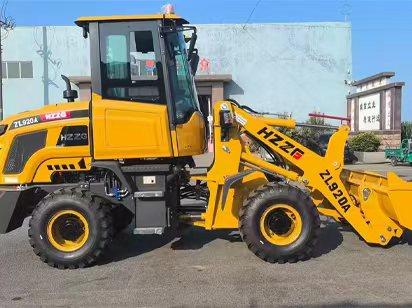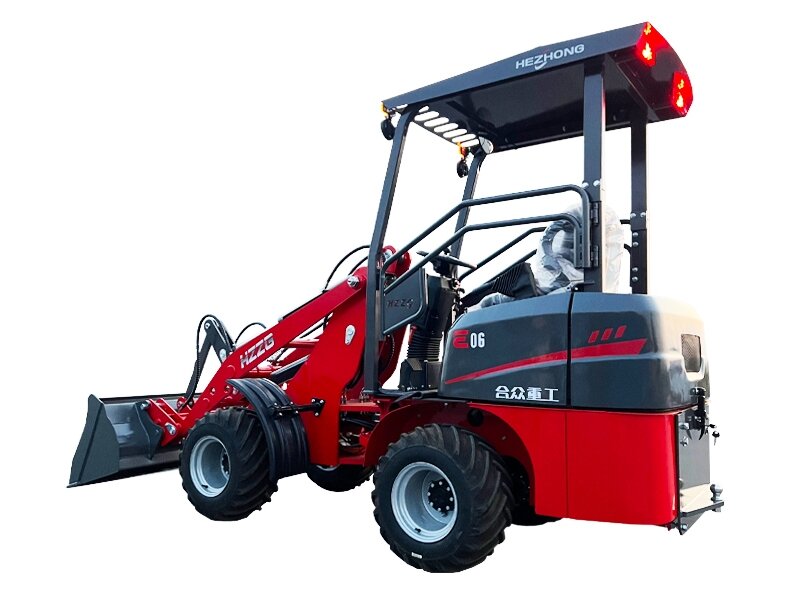

A “4-ton forklift” seems basic. If an item weighs 4,000 kg or less, the truck ought to move it. However, actual rated capacity relies on several details beyond just weight. The load center, item length, center of gravity, attachments, and lifting height all alter how much a forklift can securely manage. Buyers often pick machinery for construction sites, farms, timber yards, mines, and similar rough-terrain tasks. Checking these specific details before buying prevents bad equipment choices.
Can a 4-Ton Forklift Always Lift 4,000 kg?
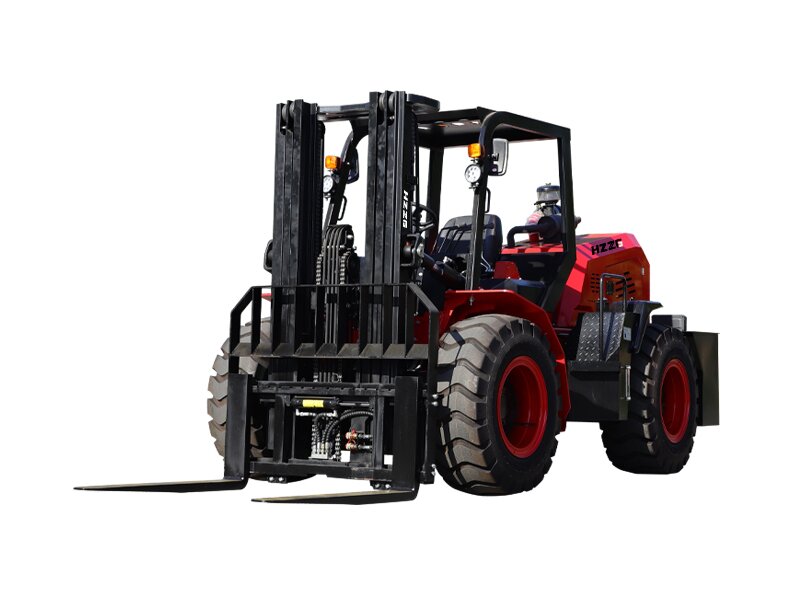
No, it cannot. A 4,000 kg rating only works under specific rules set by the maker. The Y40Q Diesel Off-Road Forklift from Qingdao Hezhong Machinery Manufacturing Co., Ltd. handles 4,000 kg at a 500 mm load center. It also features a standard lifting height of 3,000 mm and uses 1,220 mm forks.
These technical details offer a clear starting point. They help you decide if a certain load fits the forklift safely.
What Does “4,000 kg at a 500 mm Load Center” Mean?
The load center measures the flat distance from the front of the forks to the item’s center of gravity. A 4,000 kg rating at 500 mm relies on a specific setup. It assumes the center of gravity rests exactly 500 mm forward from the fork face.
A small, balanced pallet usually meets this rule. Yet, a long stack of timber, metal pipes, steel, or large machinery changes things. These items push the center of gravity further away. This shift causes extra leverage on the forklift. As a result, the real lifting capacity drops, even if the item weighs under 4,000 kg.
How Does Load Center Change Forklift Capacity?
The load center turns highly crucial when a rough terrain forklift moves large or odd-shaped goods. The center of gravity might shift away from the mast. When this happens, the item creates a much stronger tipping force.
A simple math example explains why this fact matters so much.
What Happens When the Load Center Moves Forward?
A 4,000 kg weight placed at a 500 mm load center creates a standard load moment. The math looks like this:
4,000 kg × 500 mm = 2,000,000 kg-mm
If that exact same weight slides further forward, the total load moment goes up.
This basic math only helps to show the general idea. You must not use it as a formal safety check. True residual capacity depends on many different parts. These parts include the forklift design, mast style, lifting height, added attachments, and tire types.
Buyers must always check the maker’s official capacity charts. Doing this ensures safe equipment choices for every exact forklift setup.
Why Are Long Loads More Demanding for a 4-Ton Forklift?
Long items appear often in forestry, steel yards, construction sites, and factory work. They easily cause capacity problems. This happens even without passing the machine’s stated weight limit. Their center of gravity sits much further forward compared to a normal pallet.
Therefore, buyers must look at physical dimensions alongside the total weight.
What Should You Check With Timber, Pipes, or Steel?
Think about a long 3,000 kg item. Its center of gravity might rest far beyond the rated 500 mm mark of the Y40Q. This long item puts far more stress on the forklift. It demands more effort than a short 3,000 kg pallet sitting close to the mast.
Long goods also cause side-to-side shaking during turns. Rough ground makes things worse. Muddy, rocky, or angled dirt paths introduce new risks. These ground issues matter greatly for rough terrain forklift tasks.
Added tools matter just as much. Side shifters, fork positioners, and clamps add extra weight. They also push the real load center forward. This change quickly lowers the remaining lifting power.
What Is Residual Capacity and Why Does It Matter?
Residual capacity means the true amount a forklift can safely lift in a specific setup. It takes several details into account. These details include the load center, lift height, mast design, and added tools.
For real buying choices, residual capacity offers better guidance. It helps much more than just staring at the basic “4-ton” label.
How Can Lift Height and Attachments Affect Capacity?
The normal Y40Q setup provides a lifting height of 3,000 mm. A buyer might need a different mast or extra front attachments. If so, the safe weight limit will likely change.
You should not blindly apply the base 4,000 kg rating to every different setup.
Buyers often handle strange or bulky items. They need to share the exact weight, size, and center of gravity with the seller. They must also list the required lifting height and needed tools. The supplier will then check if the chosen machine fits the daily work.
How Can You Check Whether the Y40Q Fits Your Load?
The picking process must begin with the actual materials you move. Do not just pick a truck by its weight class. The Y40Q blends a 4,000 kg rated capacity at a 500 mm load center. It includes a 3,000 mm standard lifting height. It also uses a strong off-road design built for tough outdoor jobs.
Before asking for a price quote, you should gather a few daily work details.
Which Details Should You Give the Supplier?
Shoppers need to share:
- Maximum load weight
- Load length, width, and height
- Center-of-gravity position, if known
- Maximum required lifting height
- Required attachments and typical ground conditions
These facts let the seller suggest better options. They can pick the right fork length, mast style, tool package, and safe capacity setup.
B2B buyers often get machines for timber yards, building sites, farms, or mines. Sharing these facts early helps a lot. It makes technical talks and price quotes much faster and smoother.
Why Choose Qingdao Hezhong Machinery as a Rough Terrain Forklift Supplier?
Picking the right forklift takes more effort than just comparing numbers. Buyers also need a smart supplier. This supplier must match the machine setup to the real work area.
Qingdao Hezhong Machinery Manufacturing Co., Ltd. builds forklifts, wheel loaders, attachments, and heavy machines. According to its official website, the firm runs more than 50,000 square meters of facilities. It hires more than 400 people. It also keeps 55 engineers focused on new product design.
What Can HZZG Offer Rough-Terrain Forklift Buyers?
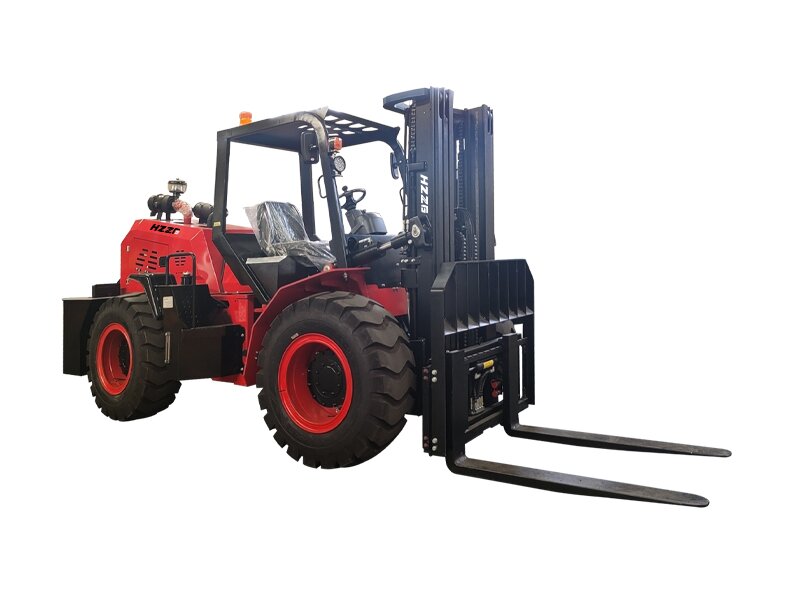
For the Y40Q, HZZG provides many helpful choices. These choices include closed cabs, air cooling systems, different engine types, and special attachments.
This kind of freedom helps buyers greatly. They can match a carretilla elevadora terreno áspero exactly to their load type and local weather. They can also meet driver needs and fit the exact jobsite ground.
What Should Buyers Remember Before Choosing a 4-Ton Forklift? — Conclusion
A 4-ton forklift lifts 4,000 kg only under strict conditions. Both the item and the truck must stay within the maker’s stated rules. The capacity number printed on a spec sheet is just a starting guide. It is never the final answer.
For the Y40Q, the main rule is 4,000 kg at a 500 mm load center. Long items and forward-shifted gravity centers change the math. Higher lifting heights and extra tools also reduce the residual capacity.
Buyers must check machine specs against their real load sizes and daily work spaces before ordering a 4-ton rough terrain forklift. Handing odd materials requires care. Asking the seller for custom capacity details remains the safest and smartest method.
Preguntas frecuentes
Can a 4-ton forklift lift a 4,000 kg long load?
Not by default. A long item might push its center of gravity past the rated load center. If this occurs, the safe lifting power drops. Users must compare the item size and gravity point with the maker’s official data before lifting anything.
Do longer forks increase forklift lifting capacity?
No, they do not. Longer forks give better balance for long goods. However, they never raise the official lifting limit. Swapping forks or bolting on new tools will alter the load position. This action also changes the total residual capacity.
What information should I provide when requesting a Y40Q quotation?
You should share the highest load weight and the exact item sizes. Share the center of gravity if you know it. Also, list the needed lift height, required tools, and normal dirt conditions. These exact facts help HZZG suggest a Y40Q setup. This custom setup will perfectly fit your daily outdoor tasks.