



Logistics and warehousing operations throughout the Middle East deal with tight emission rules and fast-growing throughput demands. Electric and lithium-ion forklifts provide zero exhaust output, cut daily running expenses, and hold up well in harsh local conditions. Heading into 2026, these machines stand ready to handle the bulk of indoor and covered material handling tasks as Saudi Vision 2030 and the UAE Net Zero by 2050 push fleets toward cleaner power sources.
Numbers back up the change. The UAE forklift sector hit close to USD 977 million in 2025 and shows steady double-digit expansion in most forecasts, pulled along by port upgrades and distribution buildup. Saudi Arabia registered around USD 364 million that same year, with electric units already taking the lead share and overall growth tracking near 8% annually through the early 2030s. Lithium-ion packs drive a lot of that momentum—quick recharge times, stronger energy density, and far less upkeep than older battery setups. Those features line up neatly with the push for lower carbon numbers and tighter supply chain efficiency.
The sections ahead lay out the main policy drivers for 2026, common setups across regional sites, practical selection points, and rollout steps. Warehouse leads, fleet supervisors, and port planners get straightforward details drawn from day-to-day operations.
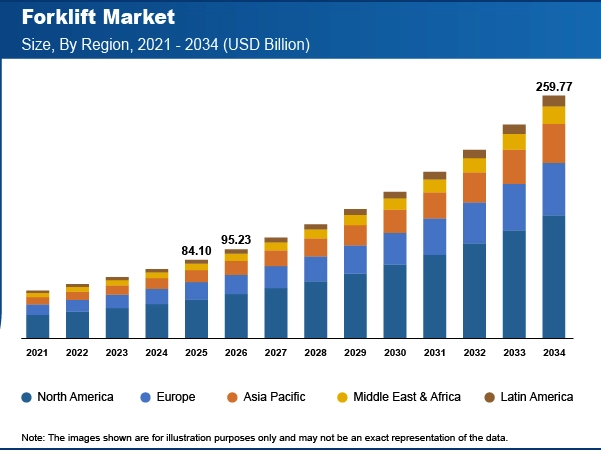
Policy and Market Trends: Why 2026 Shapes Up as a Pivot Year for Electric Forklifts
Saudi Vision 2030 lays out diversification goals, massive build-out projects, and real accountability on emissions. The framework sets firm timelines for cutting output and channels funding into green logistics and charging networks. The UAE Net Zero by 2050 follows the same track, flagging material handling and freight movement as key spots for electrification.
Together, these plans pull hard on zero-emission gear. Emission caps tighten in industrial zones, charging points spread through free trade areas, and direct support shows up for clean-tech buys. Container yards, bonded warehouses, and inland depots all feel the need to drop their footprint without losing handling speed.
Field reports point the way forward. Electric units already dominate fresh orders for enclosed work across the Gulf. Lithium-ion technology moves fastest because it allows short top-ups between loads—perfect for the non-stop shifts that run in most regional hubs. Pack prices keep dropping, typical life stretches past 3,000–4,000 cycles, and overall running costs fall with lighter service loads and 20–30% better energy use on the charge.
Come 2026, lithium-ion models should claim the clear majority of new electric sales. Site teams see real differences: no more battery room swaps, almost no daily checks, and steady lift power through full shifts. Those gains help hit sustainability targets and keep daily operations smooth.
Typical Applications of Electric and Lithium-Ion Forklifts in the Middle East
Big distribution centers and fulfillment warehouses in Dubai, Riyadh, and Jeddah move heavy volumes of pallet goods indoors. Electric forklifts fit that work naturally—no exhaust means no forced air systems and room for tighter racking. Standard 2.5-ton to 5-ton rigs shift consumer items, electronics, and chilled stock without breaking stride.
Lithium-ion setups stand out in those spots. An 80% recharge in under two hours keeps machines rolling across multiple shifts with barely a pause. That matches the surge in local online orders and same-day delivery expectations.
Major ports carry different loads. Jebel Ali and King Abdullah facilities process huge container traffic. Electric units help meet green terminal rules in enclosed sheds and lighter yard duties. Quieter runs and cleaner air make operator shifts safer in confined zones.
Summer heat routinely tops 40°C and tests every component. Lithium-ion batteries built with solid heat management stay reliable in those conditions. Active cooling or smart heat spread keeps cells from throttling back during long runs. Gulf terminal records prove these rigs deliver consistent service in half-covered areas when charge points get basic shade and dust protection.
Food plants and assembly lines use electric models indoors to keep product zones clean. In yards tied to construction supply chains where loads move in and out of cover, lithium-ion machines switch tasks fast with quick plugs between lifts.
2026 Buying Guide: Selecting the Right Electric or Lithium-Ion Forklift
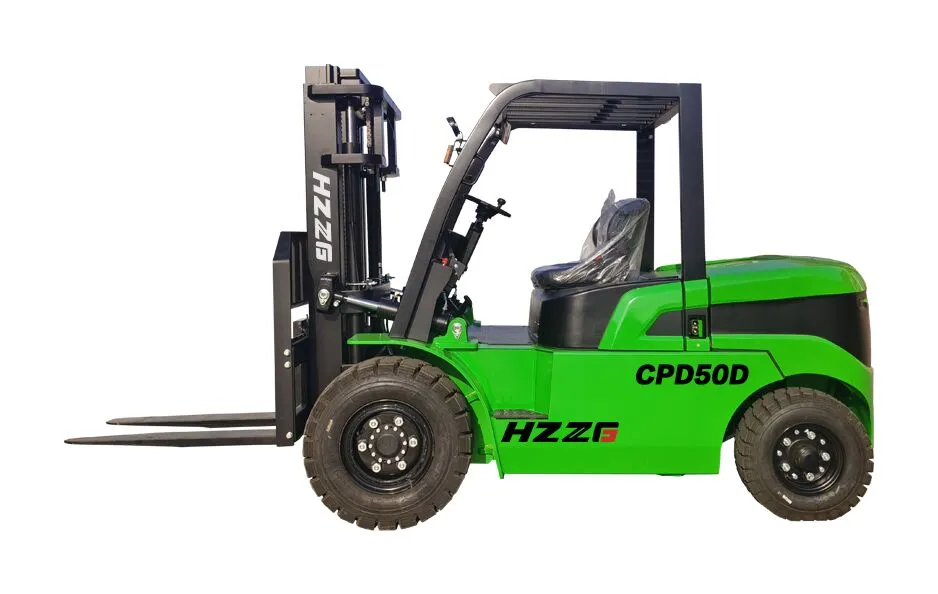
Narrowing down the right machine means lining up lift needs, battery specs, and site realities. Regional jobs usually split into 2.5–3.5 tons for regular warehouse runs and 4–5 tons for port backup or heavier yard work.
Points that matter on the ground:
-
Battery setup — Lithium-ion delivers denser energy and fast cycles. In hot zones, built-in temperature controls stop fade and stretch usable years.
-
Running costs over time — Higher buy-in for lithium-ion pays back through almost no service, no fluid top-ups, and longer pack life. Better charge efficiency drops power bills.
-
Built for local wear — Tight seals against dust, heavy frames, and heat-tolerant parts handle Gulf dust and swings. Charge layouts need to support short plugs to keep uptime high.
-
Operator side — Clear sight lines, adjustable controls, and smooth stability cut fatigue on long hot shifts.
For Gulf-area work, rigs that keep full power through temperature peaks get the nod. Qingdao Hezhong Machinery Manufacturing Co., Ltd. builds electric forklifts covering 2.5–5 tons with oversized batteries for long runs and solid recharge behavior. The focus stays on clean output and practical expense control, fitting warehouse floors, logistics yards, and covered port zones.
Implementation Guide: Deploying Electric Forklifts Successfully in the Middle East
Solid rollout starts with power layout. Charge bays want strong supply lines and spots close to natural pauses. In hot areas, simple shade or airflow keeps packs healthy longer.
Service shifts dramatically from older trucks. Lithium-ion needs little beyond quick connector looks, fan cleans if fitted, and rare software flashes for management. That cuts crew hours and surprise stops.
Government programs sweeten the deal. Vision 2030 and Net Zero packages include grants, tax breaks, or low-rate financing for clean equipment in target sectors. Local trade bodies keep lists current.
Trips come from guessing battery size wrong or skimping on charge placement. Full site walks—logging shift length, drive paths, and load weights—nail fleet numbers. Small test runs with a couple units pull hard data before going wide.
Crew training pays off fast. Hands-on sessions on safe plugs, pack monitoring, and running in dust or heat stretch machine life and lift output.
Qingdao Hezhong Machinery Manufacturing Co., Ltd.
Qingdao Hezhong Machinery Manufacturing Co., Ltd., started operations in 2007 from its base in Pingdu, Qingdao, with production halls covering over 50,000 square meters. The company turns out mini wheel loaders and sweeper forklifts at a yearly rate above 15,000 units. Shipments reach more than 40 countries, backed by certifications including CCC, ISO 9001, ISO 16949, CE, and EGS. Over 400 staff members, among them 55 engineers working on new designs, keep development moving in construction and handling equipment.
Вывод
Saudi Vision 2030 and UAE Net Zero by 2050 set a firm course for electric and lithium-ion forklifts in regional handling work. By 2026, these units will anchor cleaner, lower-cost flows in warehouses, terminals, and distribution chains. Teams that line up proper machines, map charge access, and build operator skills lock in strong positions on rules compliance, uptime, and bottom-line numbers.
Часто задаваемые вопросы
What are the main benefits of lithium-ion forklifts in Saudi Arabia under Vision 2030?
Lithium-ion forklifts cut straight to Vision 2030 emission cuts with no tailpipe output and tighter energy draw. Short charge windows and long cycle counts keep multi-shift logistics moving, while lighter service and better efficiency trim total costs across the full run.
How do electric forklifts perform in high temperatures in the UAE?
Electric forklifts running lithium-ion packs with strong heat controls keep steady power even past 40°C outside. Smart temperature handling stops drop-offs on long shifts, proving solid for warehouses, shaded port zones, and other covered Gulf setups.
Which applications suit electric forklifts best in Middle East logistics hubs?
Warehouse floors, e-commerce sort centers, and indoor terminal work match closest. No exhaust keeps enclosed air clean, and lithium-ion quick charges feed heavy daily volumes in places like Dubai, Riyadh, and Jeddah.
How can companies calculate total cost of ownership for lithium-ion forklifts in 2026?
Add up buy price, power use, service calls, pack life, and charge build-out. Lithium-ion rigs usually come out ahead long-term with no swaps, far less wrench time, and 20–30% less draw against older setups.
What infrastructure is needed to deploy electric forklifts in Saudi Arabia or UAE warehouses?
Strong grid ties, charge spots placed for quick breaks, and basic heat shields cover the basics. Short top-ups during pauses drive high availability, while dust-tight builds and regular looks keep reliability strong in local conditions.


