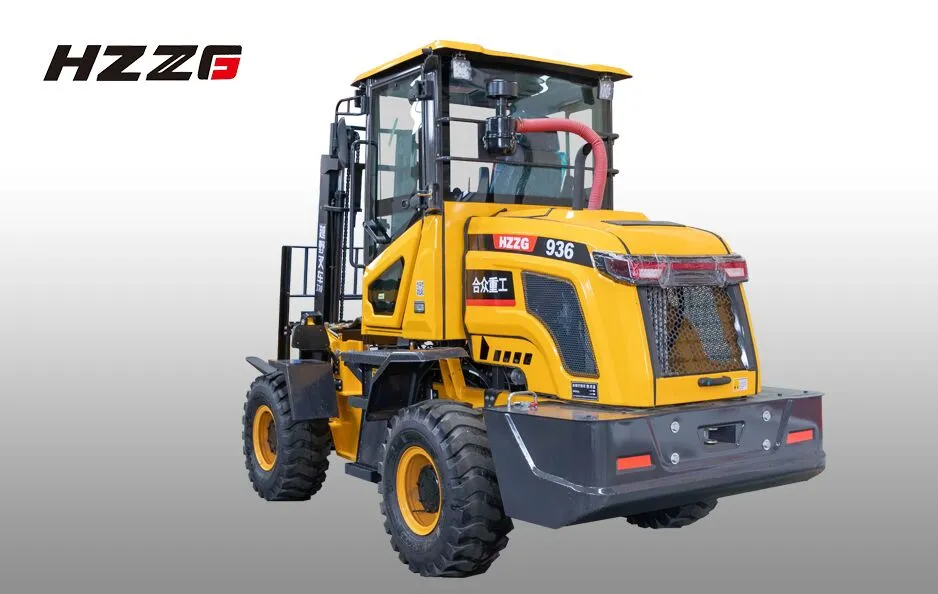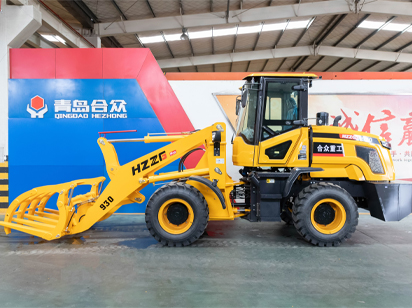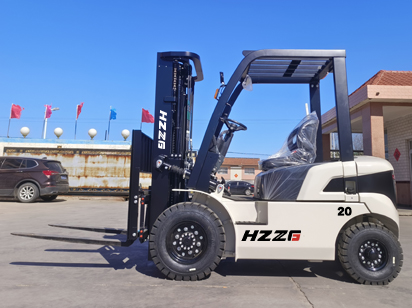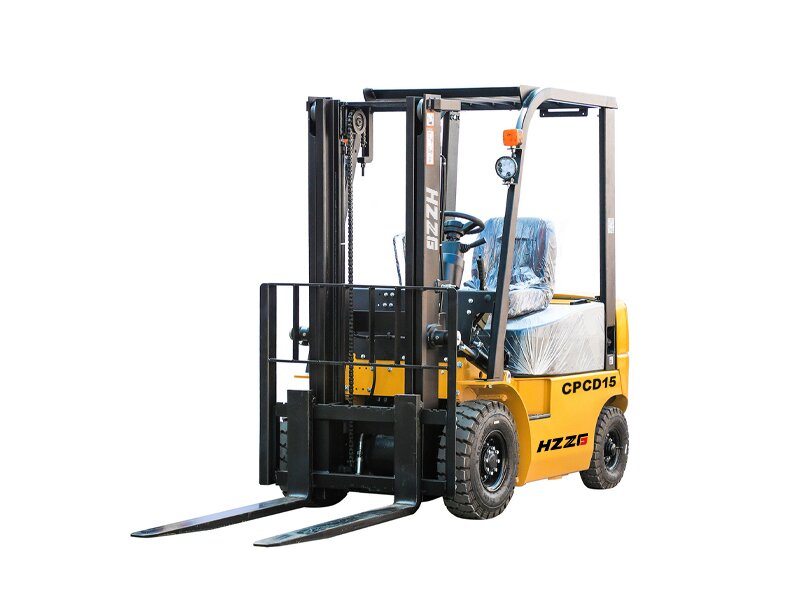

A chargeur à roues is a strong and adaptable heavy machine mainly used for loading, carrying, and shifting materials like soil, gravel, sand, and debris. Its skill in handling various tasks makes it vital in construction, mining, agriculture, and industrial work. The build of a wheel loader stresses effectiveness, movement, and working steadiness. These traits help ensure output in tough settings.
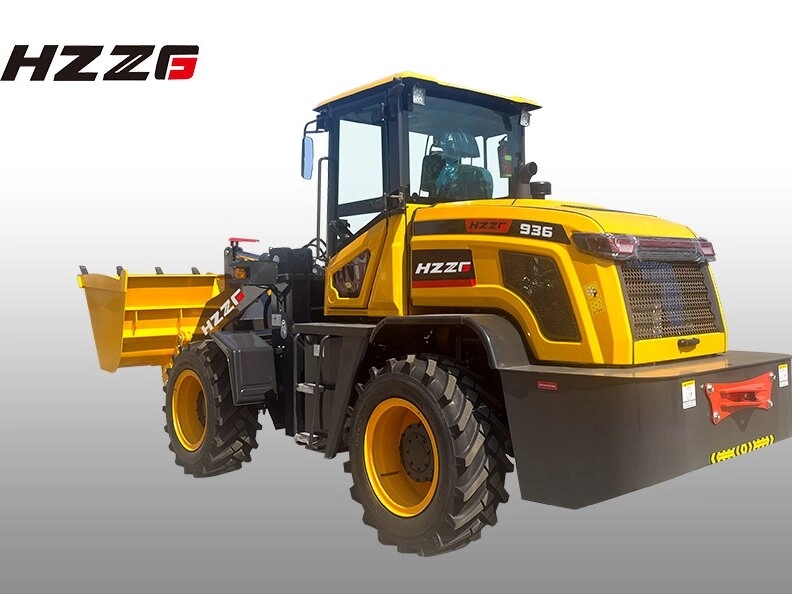
Key Components of a Wheel Loader
Engine and Powertrain: The engine forms the core of the wheel loader. It supplies the needed torque and horsepower for tough jobs. Today’s loaders usually have fuel-saving engines. These meet worldwide emission rules. Yet they keep strong power levels. The powertrain setup moves this energy to the wheels. It uses modern transmission systems. These improve grip under different loads.
Hydraulic System: The hydraulic setup handles the motion of lift arms and the bucket. It gives exact control in lifting, tilting, or dumping tasks. Strong hydraulic pumps make sure of even work under big loads.
Cabin Design: The operator’s cabin focuses on ease and protection. Comfortable controls, movable seats, cooling systems, and broad view windows cut down tiredness in long shifts. They also boost accurate handling.
Tires and Axles: Tires offer grip and steadiness on varied grounds, from soft dirt to rough rocks. Sturdy axles spread weight evenly over all wheels. This keeps balance during work.
How the Loading Mechanism Operates
The loading starts when hydraulic arms lift or drop the bucket to gather materials. After filling, the bucket tips ahead to release its load quickly into dump trucks or hoppers. Jointed steering lets for easy turning in tight spots. It does this by letting the front and back parts of the loader turn on their own. This jointing boosts flexibility. At the same time, it does not harm balance or working steadiness.
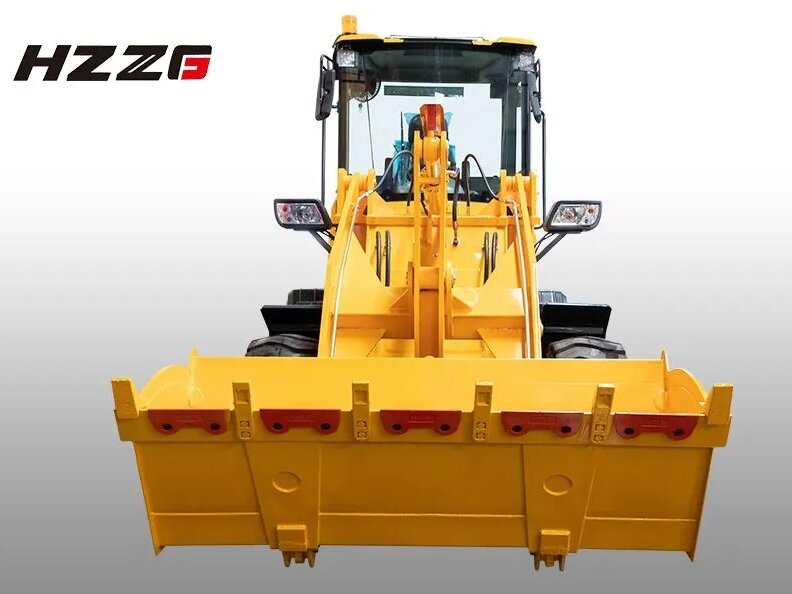
What Are the Different Types of Wheel Loaders?
Wheel loaders fall into groups by their size, capacity, and planned use. Each kind fits specific work needs in various fields.
Compact Wheel Loaders
Compact wheel loaders are light machines. They suit landscaping jobs, city services, or small building work. Their small shape makes transport between sites simple. They also keep good turning ability in narrow areas. These use less fuel than bigger types. Still, they give solid results when dealing with fair loads.
Medium Wheel Loaders
Medium wheel loaders see wide use in everyday building projects, road care jobs, and material storage areas. Their even power-to-weight mix ensures steadiness in tasks with repeated loading rounds. These can take on different tools, like forks or snow plows. Such options widen their uses in many areas.
Large Wheel Loaders
Large wheel loaders suit hard tasks in mining sites, stone quarries, or factory spots where moving big amounts of material matters. Their tough frames handle great stress. At the same time, they hold high load limits for top output. These often include smart tracking systems. They allow real-time checks on how the machine runs.
Where Are Wheel Loaders Commonly Used?
Wheel loaders act as key tools in areas that need good bulk material handling. They also stress safety and dependability.
Construction Industry Applications
In building projects, wheel loaders do ground-moving work like readying sites and leveling. They carry items like gravel or sand around job areas well. Plus, they help in road jobs by loading asphalt mixes or clearing rubble after tear-down work.
Mining and Quarry Operations
In mining spots, wheel loaders deal with raw items like ores or broken stones fast. This keeps steady production going. They also fix haul roads by moving loose dirt that might slow trucks. Quick loading rounds cut wait times when shifting materials to dump trucks or handling units.
Agricultural and Industrial Uses
In farming, wheel loaders spread feed or move fertilizer on big fields well. In factory settings, they aid waste handling by shifting bulk items. They also support making plants with raw material moves at storage spots.
What Are the Key Benefits of Using a Wheel Loader?
Wheel loaders offer many gains that lift output. They also ensure value for money in the long run.
Operational Efficiency and Versatility
Their fast cycle times raise overall site output. They do this by cutting down wait times between loading and dumping steps. Fitting with various tools, like grapples or pallet forks, widens their tasks. This goes beyond basic ground-moving work.
Durability and Stability in Harsh Conditions
Made with solid frames and strong links, wheel loaders keep their build strong under ongoing heavy work. Better suspension setups take in shakes well. This saves operator ease and machine life even on bumpy ground. Thus, it boosts working steadiness over long runs.
Cost Optimization Over Time
New engine methods cut fuel use a lot without losing power. Unlike tracked tools like bulldozers or excavators, well-kept wheel loaders need less regular fixes. This comes from having fewer parts that move. As a result, it leads to lower upkeep costs in the long term.
Why Choose QINGDAO HEZHONG MACHINERY MANUFACTURING CO., LTD as Your Supplier?
QINGDAO HEZHONG MACHINERY MANUFACTURING CO., LTD shines as a reliable provider. It is known for making high-working wheel loaders built to world standards. Their aim on exact building ensures lasting strength in many work spots, from city building areas to far-off mining places. They keep top safety parts that fit global rules.
Core Strengths of QINGDAO HEZHONG MACHINERY MANUFACTURING CO., LTD
The firm gives a broad range of products. It covers small to big-capacity loaders made for different field needs. Each piece goes through strict quality checks before shipping. This promises steady work trust under hard settings. Also, their full after-sales help network cuts down stop times. It does so by offering quick tech aid around the world. This is key for clients with non-stop production plans.
How Can Professionals Maximize the Performance of Their Wheel Loaders?
To get the most from a wheel loader’s life, follow good care rules. Pair this with able running skills fit to site conditions.
Maintenance Best Practices
Operators need to do daily checks. Focus on tire air levels, hydraulic hose strength, fluid amounts for engine oil and coolant, and any leaks before starting work. Set care times based on maker guides keep mechanical strength. They stop expensive breaks from ignored wear parts like filters or seals. Swapping out tired parts right away ensures smooth work over long runs.
Operator Training Considerations
Good training plans give operators info on load limits for each model type. They also cover safe ways to handle lifts or moves on slopes. Using built-in check systems helps watch main work measures. These include fuel use rates or hydraulic speed times. This lets for quick changes when things stray from best settings in maker guides.
Putting in firm safety steps during big-load work further cuts risks of tip-overs. It also strengthens work rules tied to safety standards known worldwide in heavy machine fields.
Conclusion: Enhancing Productivity Through Reliable Wheel Loader Solutions
Wheel loaders stay as main tools where good material handling sets success measures in work flows. This covers building growth projects to resource pulling processes. Even farming supply lines around the world count on them heavily. They mix power, quickness, and care to give clear gains in output and lasting use. At the same time, picking sure makers like QINGDAO HEZHONG MACHINERY MANUFACTURING CO., LTD makes sure users get new tech backed by tested trust. This turns into long-run work value from buys. It brings steady returns in project results over time.
FAQs About Wheel Loaders
1. What factors should be considered when selecting a wheel loader?
Experts need to look at many factors. These include needed load capacity based on site needs, ground types, hoped-for fuel savings, tool fit, and access to after-sales help. This makes sure the best pick matches work aims and wanted life costs planned out before buy choices.
2. How does operational stability influence wheel loader performance?
Working steadiness affects safety directly, mainly in lifting and carrying tasks. Steady setups cut tip risks. Thus, they improve cycle evenness. They keep steady output rates even with changing load factors met in field spots daily.
3. Can wheel loaders be customized for specific industry applications?
Yes, makers often give change options. These add special tools or stronger build parts. They fit exact needs in fields like mining, waste handling, or farming. This promises better fit and bend in ongoing use cases.