



Si vous déplacez des palettes, de l’acier, du bois, des sacs, des conteneurs ou des briques pour vivre, vous le savez déjà : pas tous chariots élévateurs Ils sont construits pour le même travail. Certains se sentent à la maison sur des planchers lisses d'entrepôt. D'autres ne se réveillent qu'une fois qu'ils ont frappé la boue, le gravier ou un chantier de construction rugueux.
Cet article traverse le principal types de chariots élévateurs élévateurs que vous verrez dans de vraies flottes industrielles et comment les associer à votre travail. Nous allons également examiner comment Qingdao Hezhong Machinery Manufacturing Co., Ltd. s'adapte à cette image avec ses modèles diesel, électrique, GPL et terrain rugueux.
Pourquoi le « type » compte tellement lorsque vous choisissez un chariot élévateur
Il ne s'agit pas seulement de la capacité sur la plaque de noms
Un chariot élévateur de 3 tonnes n’est pas seulement un chariot élévateur de 3 tonnes. La même capacité nominale peut se comporter très différemment selon:
-
Source d'alimentation (diesel, électrique, GPL)
-
Emplacement et contre-poids
-
Type de pneu et marge au sol
-
Hauteur et visibilité du mât
Mettez un camion de contrebalance électrique compact dans une cour boueuse et il aura du mal. Mettez un grand chariot élévateur en terrain accidenté dans un couloir intérieur étroit et vous mâcherez de l'espace et du carburant sans bonne raison. Le type de chariot élévateur que vous choisissez affecte:
-
La vitesse à laquelle les camions sont chargés et déchargés
-
À quel point vos opérateurs se sentent fatigués après un poste
-
Combien dépensez-vous en carburant, batteries et entretien
Un jour dans la vie : une flotte, deux environnements
Imaginez un commerçant de matériaux de construction de taille moyenne:
-
Intérieur: rayonnage à palettes, haut à 3 niveaux, principalement en ciment et en carrelage
-
En plein air: cour ouverte, terrain inégal, étangs de pluie la moitié de l'année
Ils ont essayé de tout faire avec un seul chariot élévateur diesel. Il peut soulever le poids bien, mais:
-
À l'intérieur, il était bruyant et nécessitait une ventilation supplémentaire.
-
À l'extérieur, il était surréservé; Chaque fois qu'il s'écroulait, tout s'arrêtait.
Une fois qu'ils ont ajouté un chariot élévateur électrique pour les étagères intérieures et ont gardé le diesel à l'extérieur, le temps de retour du camion a diminué et les opérateurs ont cessé de "combattre" la machine toute la journée. Les mêmes personnes, le même bâtiment, juste un mélange plus intelligent de types de chariots élévateurs.
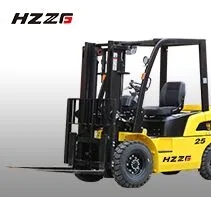
Types de chariots élévateurs que vous utiliserez réellement
Sur le site de Hezhong Machinery, la gamme de chariots élévateurs se divise en quatre groupes clés: chariots élévateurs au GPL, chariots élévateurs électriques, chariots élévateurs diesel et chariots élévateurs sur terrain accidenté, tous dans une disposition de contrebalance. Traduons cela en usage réel.
Chariots élévateurs diesel contre-équilibre
Les chariots élévateurs diesel sont le cheval de travail classique pour les travaux lourds en plein air.
Où ils brillent :
-
Cours d'acier et ateliers de fabrication
-
Ports et chantiers logistiques
-
Briques, blocs et usines préfabriquées
-
Sites de construction
Les séries CPCD de Hezhong (par exemple, les chariots élévateurs diesel de 1,5 tonne, 3,5 tonne, 6 tonne, 7 tonne) sont conçues pour ce type d’environnement : des cadres robustes, des moteurs puissants et des pneus pneumatiques conçus pour faire face à des surfaces irrégulières.
Points forts typiques :
-
Un couple élevé à faible vitesse pour les palettes lourdes
-
Changements longs et continus avec ravitaillement rapide
-
Sensation de conduite bien connue pour les opérateurs expérimentés
Si la plupart de vos travaux se déroulent à l'extérieur et que vos charges sont denses et lourdes, les chariots élévateurs diesel de contrebalance sont généralement le point de départ d'une flotte.
Camions élévateurs électriques
Les chariots élévateurs électriques étaient considérés comme des machines "légères". Ce n'est plus vraiment le cas. Avec de meilleurs moteurs et des batteries modernes, ils gèrent des travaux sérieux, en particulier à l'intérieur. Hezhong propose des chariots élévateurs électriques de contrebalancement sous la même famille de produits, de sorte que la mise en page semble familier aux opérateurs.
Où ils ont du sens :
-
Entrepôts et centres de distribution
-
Entreposage froid et industrie alimentaire
-
Lignes de production intérieures
-
La qualité de l'air et le bruit n'importe où
Ce que les gens aiment en eux :
-
Pas de fumées d'échappement à l'intérieur des bâtiments fermés
-
Fonctionnement plus lisse et plus silencieux
-
Bonne commande basse vitesse dans les couloirs serrés
Si vous chargez des conteneurs sous un toit ou travaillez autour du personnel à pied, un chariot élévateur électrique se paie souvent avec moins de plaintes, une ventilation plus simple et un contrôle à basse vitesse plus cohérent.
Chariots élévateurs à GPL
Les chariots élévateurs à GPL sont situés entre diesel et électrique dans de nombreuses flottes. Sur le menu de produits de Hezhong, les chariots élévateurs élévateurs au GPL font partie de la catégorie principale des chariots élévateurs élévateurs, aux côtés du diesel, de l’électricité et du terrain accidenté.
C’est une bonne option lorsque vous :
-
Besoin d'un camion pour fonctionner à l'intérieur et à l'extérieur
-
Vous voulez moins d'odeur d'échappement que du diesel
-
Préférez un comportement rapide de « ravitaillement et départ » au lieu de la charge de la batterie
Pour les utilisateurs qui ne peuvent pas encore s’engager pleinement dans les flottes de batteries, les chariots élévateurs à GPL offrent une voie moyenne flexible.
Camions élévateurs roulants
Les chariots élévateurs sont essentiellement des chariots élévateurs croisés avec des équipements tout terrain. Le modèle de terrain rugueux de 4 tonnes de Hezhong, tel que le Y40Q, est conçu pour des terrains inégaux, des travaux de construction et d’autres sites difficiles où un camion d’entrepôt ne survivra pas.
Caractéristiques typiques :
-
Dégagement au sol plus élevé
-
Pneumatiques tout terrain gros
-
Chassis et mât renforcés
-
Essieux moteurs robustes pour les pentes et les sols doux
Pensez à des chariots élévateurs roulants pour:
-
Sites de construction qui changent chaque semaine
-
Cours extérieures avec gravier, boue ou trous
-
Chargement de camions où il n'y a guère de pavement
Ils ne sont pas idéaux pour des étagères intérieures serrées, mais lorsque votre « plancher » est essentiellement un chantier de travail, ils valent chaque cent.
Comment décider quel type de chariot élévateur vous avez vraiment besoin
Commencez avec la charge et la hauteur
Demandez-vous honnêtement :
-
Quel est le poids moyen de votre palette? Pas seulement le maximum.
-
À quelle fréquence avez-vous vraiment besoin de toute la taille?
-
Portez-vous parfois des charges longues ou gênantes (tuyaux, profils, panneaux)?
Un chariot élévateur diesel de 1,5 tonne de Hezhong, par exemple, est idéal pour des tâches d'entrepôt et d'atelier plus légères. Les séries plus lourdes comme CPC(D)-35 ou CPCD-50 sont adaptées pour les briques, l'acier ou les gros sacs.
Cartographiez le terrain sur lequel vous conduisez
Faites un simple croquis de votre site :
-
Espace intérieur: type de plancher, largeur de couloir, hauteur de porte
-
Espace extérieur: pavé, partiel ou entièrement non pavé?
-
Des rampes, des docks ou des bosses ?
Ensuite aligner :
-
Sols pour la plupart lisse, couloirs étroits → chariots élévateurs électriques
-
Travaux mixtes de béton et de cour → diesel ou GPL contrebalance
-
Sols lâches, pentes, gravier → camions élévateurs élévateurs sur terrain rugueux
Pensez en flottes, pas en machines
De nombreuses entreprises essaient de faire un chariot élévateur faire tout. Il fonctionne rarement bien. Une approche plus réaliste est :
-
Un couple de chariots élévateurs diesel ou GPL à l'extérieur pour des travaux plus lourds
-
Un ou plusieurs chariots élévateurs électriques à l'intérieur pour chargement, ramassage et empilage
La gamme de produits de Hezhong facilite ce mélange, car les chariots élévateurs diesel, électriques et GPL partagent un langage de conception cohérent, de sorte que le temps de formation est plus court et le stockage de pièces détachées est plus simple.
Qingdao Hezhong Machinery Manufacturing Co., Ltd.: Qui est derrière ces chariots élévateurs?
Avant d’acheter un chariot élévateur, il vaut la peine de se demander: qui a vraiment construit cette chose?
Qingdao Hezhong Machinery Manufacturing Co., Ltd. est l'un des fabricants de machines établis en Chine, se concentrant sur les chargeuses à roues et chariots élévateursLe groupe trace son histoire de coopération internationale à 2007 et est devenu une entreprise couvrant plus de 100 000 mètres carrés autour de la baie de Jiaodong, avec plusieurs usines sous le même parapluie.
Quelques points qui se distinguent pour les acheteurs étrangers:
-
La société se spécialise dans les chargeuses à roues, les chariots élévateurs et les accessoires, pas tous les types de machines sous le soleil.
-
La production, les ventes et l'exportation sont gérées directement depuis l'usine, ce qui rend la communication technique et la personnalisation plus fluides.
-
La marque expédie régulièrement des chariots élévateurs roulants diesel, électriques, à GPL et à terrain rugueux à ses clients dans différents pays et partage des études de cas réelles et des mises à jour sur ces machines en utilisation quotidienne.
Pour de nombreux nouveaux importateurs, la première étape est généralement une petite commande d'essai - peut-être un chariot élévateur diesel de 3 tonnes ou une unité de terrain accidenté de 4 tonnes. Une fois que les machines fonctionnent bien pendant quelques mois, la conversation a tendance à passer de « Cela fonctionne-t-il ? » à « Que devons-nous ajouter ensuite ? »

Conclusion
À première vue, différents types de chariots élévateurs peuvent sembler beaucoup à trier. Mais une fois que vous le décomposez, la logique est assez simple:
-
Chariots élévateurs diesel pour les travaux lourds en plein air et les longues journées
-
Chariots élévateurs électriques pour une manipulation intérieure propre et silencieuse
-
Chariots élévateurs au GPL lorsque vous avez besoin d'un camion pour vous déplacer entre les deux mondes
-
Chariots élévateurs en terrain rugueux lorsque votre « plancher » ressemble plus à un chantier de construction qu’à un entrepôt
Faites bien ce mélange et vos opérateurs cesseront de combattre les machines. Le chargement des camions devient prévisible. Et au lieu de serrer un chariot élévateur dans des emplois qu'il n'était jamais censé faire, vous laissez chaque type faire ce qu'il fait le mieux.
Travailler avec un fabricant ciblé comme Qingdao Hezhong Machinery Manufacturing Co., Ltd. vous donne cette flexibilité en un seul endroit: les chariots élévateurs diesel, électriques, GPL et terrains accidentés construits autour d'un usage industriel réel, pas seulement les numéros de feuilles de spécification.
FAQ: Questions pratiques sur les types de chariots élévateurs
Nous ne sommes pas une grande entreprise. Avez-vous vraiment besoin de différents types de chariots élévateurs?
Pas toujours, mais assez souvent un seul camion finit par être un goulot d'étranglement. Si vous ne travaillez qu'à l'intérieur sur des planchers lisses, un chariot élévateur électrique pourrait tout couvrir. Mais si vous avez un entrepôt plus une cour extérieure, un petit mélange - disons un électrique à l'intérieur et un diesel ou GPL à l'extérieur - fonctionne généralement mieux que de pousser une seule machine pour faire les deux tâches mal.
Comment savoir si mon site a besoin d'un chariot élévateur sur terrain rugueux au lieu d'un diesel normal?
Promenez-vous dans votre jardin après une forte pluie. Si vous voyez des pistes, des terrains doux ou des pentes qui font tourner les roues d’un chariot élévateur régulier ou grattent le fond, c’est un signe que vous vous déplacez dans un territoire de chariot élévateur sur des terrains accidentés. Une marge au sol plus élevée, des essieux plus forts et des pneus tout terrain font une grande différence lorsque la surface est loin d'être parfaite.
Les chariots élévateurs électriques sont-ils vraiment assez forts pour des travaux industriels « sérieux » ?
Oui, tant que vous choisissez la bonne capacité et la bonne configuration de la batterie. Les chariots élévateurs électriques modernes ont beaucoup de couple à basse vitesse. Les questions clés sont: combien d'heures par jour les utilisez-vous et avez-vous un plan de recharge réaliste? Si vos postes sont planifiés et que vous pouvez recharger pendant les pauses ou la nuit, les unités électriques gèrent parfaitement la plupart des tâches d'entrepôt et d'usine.
Nous pensons aux chariots élévateurs au GPL. Quel est le vrai avantage par rapport au diesel ?
Dans de nombreuses flottes, les chariots élévateurs au GPL sont choisis parce qu'ils fonctionnent à l'intérieur plus propres que le diesel et se ravitaillent toujours rapidement. Si votre camion passe la moitié de son temps dans un entrepôt et la moitié à l'extérieur dans la cour, le GPL peut vous éviter d'acheter et d'entretenir deux types différents de chariots élévateurs.
Que dois-je dire à Qingdao Hezhong Machinery lorsque je demande une recommandation?
Gardez-le simple et honnête. Partager :
-
Votre poids de charge typique et maximum
-
Où le chariot élévateur passera la plupart de son temps (à l’intérieur, à l’extérieur ou les deux)
-
À quoi ressemble le sol
-
Combien d'heures par jour il fonctionnera
Avec ces informations, l'équipe peut généralement suggérer un ou deux types de chariot élévateur - par exemple, un camion électrique de 3 tonnes pour l'entrepôt plus un modèle diesel de 4 tonnes ou de terrain rugueux pour la cour - donc vous ne devinez pas basé uniquement sur une photo de catalogue.


