
Harvest season in 2026 places cargadores de ruedas under extreme stress on farms and livestock operations. Machines often run twelve to fourteen hours daily through thick crop dust, heavy repetitive lifts of silage and bales, sudden temperature drops at night, and wet ground that turns yards into mud. Wheel loader maintenance tips to survive harvest season on farms and livestock operations center on catching small issues before they force unplanned stops during the narrow window when feed delivery, manure removal, and material movement must happen without interruption. Operators handling mid-sized herds—typically 150 to 500 head—understand that a radiator packed with chaff or a hydraulic line weeping fluid can cost hours or even days when every delay affects animal health or feed quality.
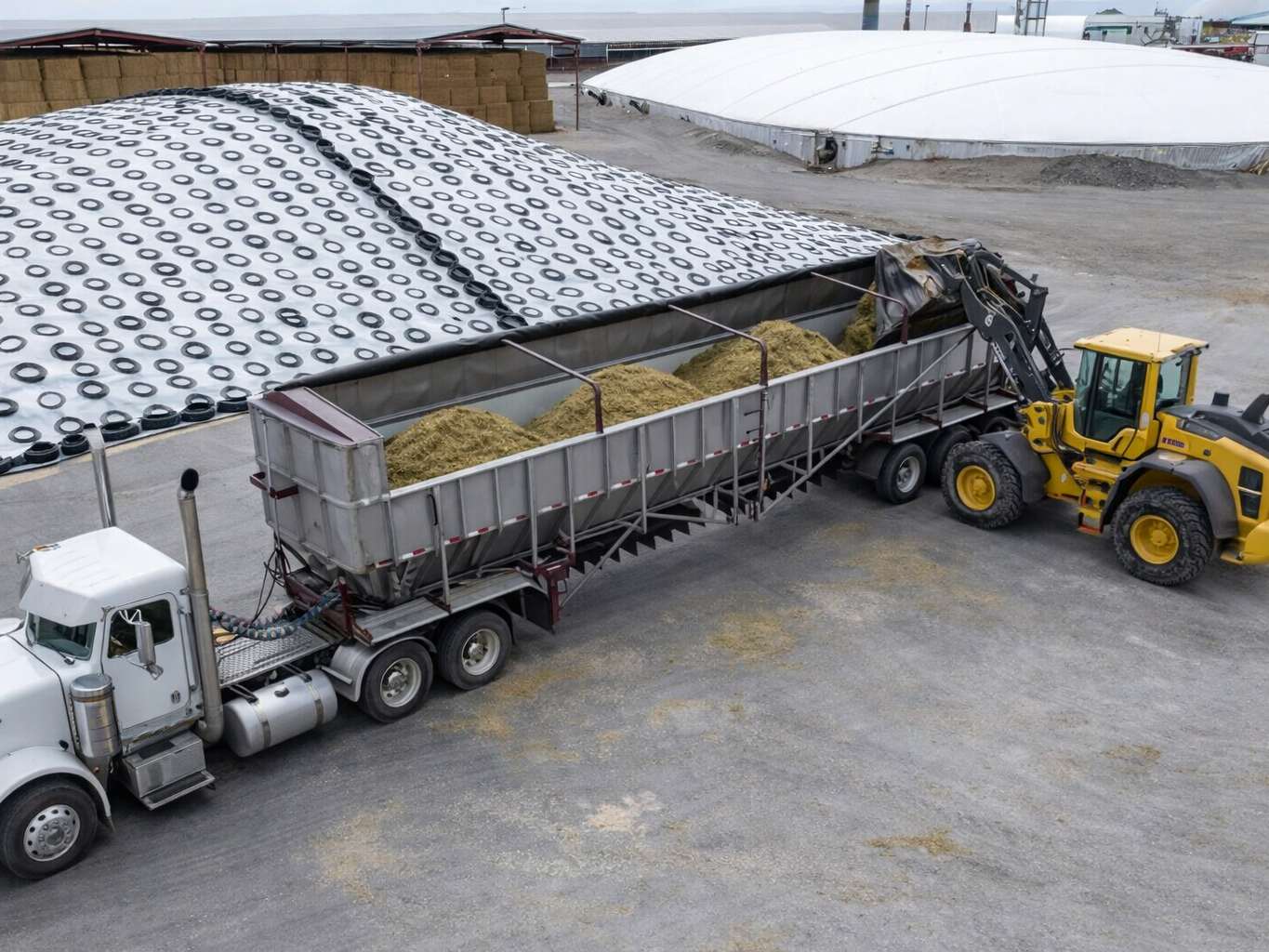
Dust from corn silage, dry hay, and stubble fields infiltrates every opening within a single long shift. Hydraulic systems heat rapidly under constant attachment cycling. Tires face accelerated wear on sharp stubble and gravel lanes. Cold mornings follow warm afternoons, putting batteries and seals under thermal cycling stress. Preventive care applied consistently through the peak period keeps these compact and full-hydraulic machines reliable when the workload is heaviest.
Unique Challenges Wheel Loaders Face During Harvest Season
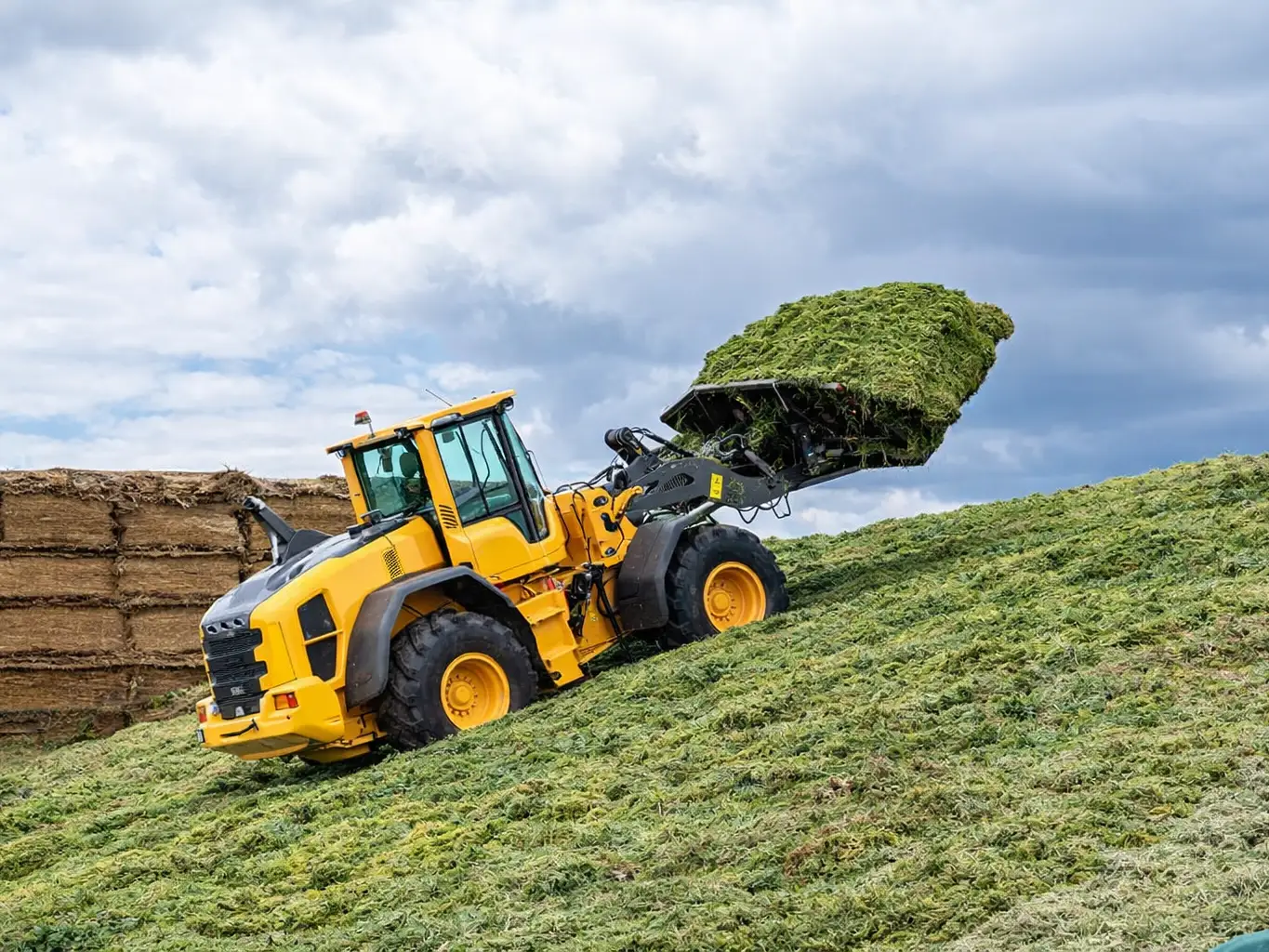
Crop residue creates the single biggest threat. Fine particles from silage chopping or bale handling pack tightly against cooling fins and air intakes. Airflow drops sharply, temperatures climb, and the engine management system often reduces power to protect components. On a typical dairy operation pulling twenty tons of silage daily, a clogged radiator can push coolant temperatures past safe limits in less than two hours of continuous work.
Hydraulic oil suffers from the same airborne contaminants. Fine dust enters through breather caps or worn seals, turning lubricant into an abrasive slurry that accelerates wear inside pumps, valves, and cylinders. Repeated heavy lifts—grabbing large round bales or scraping manure piles—generate heat that thins oil further, reducing film strength at critical points. Joints and pins see the same cycle: grease pushed out by motion mixes with dust and becomes a grinding compound instead of a lubricant.
Tire and undercarriage wear accelerates on uneven ground. Stubble punctures sidewalls, gravel lanes chew tread, and soft wet spots cause sidewall flex that leads to cracks. Electrical connections exposed to moisture after cold nights develop corrosion, especially on machines parked outdoors. Battery capacity drops noticeably below freezing, and weak cranking turns a five-minute start into a thirty-minute struggle with jumper cables.
Pre-Season Preparation: The 30–60 Day Window Before Harvest
Preparation starts well before the first load of silage moves. A full exterior wash removes caked mud and old crop debris from radiators, belly pans, and cab filters. Compressed air blown in reverse direction through cooling fins dislodges packed material far more effectively than brushing or washing alone. Hydraulic oil and all associated filters changed at this point give the system clean fluid that can handle the contamination surge once harvest begins.
Cooling system checks follow a standard sequence. Coolant tested for freeze protection down to minus thirty degrees Fahrenheit guards against early frosts that arrive unexpectedly in many regions. Hoses squeezed by hand reveal internal cracking or softening that visual inspection misses. Belts tensioned to specification and pulleys aligned prevent mid-shift failures. Battery terminals cleaned with a wire brush and coated with dielectric grease stop voltage drops that leave the machine dead at first light.
Tire inspection receives particular attention. Tread depth measured at multiple points across the carcass identifies tires nearing replacement before stubble season begins. Valve stems checked for slow leaks avoid overnight deflation that wastes time in the morning. Grease zerks purged until fresh clean lubricant appears at every pin and bushing—old contaminated grease fully displaced.
Harvest-Specific Maintenance Techniques for 2026
Dust and Cooling System Protection
Daily radiator cleaning becomes non-negotiable. Compressed air applied at the end of each shift clears accumulated chaff and dust before it hardens overnight. Reversible fans—if equipped—run in reverse mode for two to three minutes every few hours to blow debris outward. Pre-cleaner bowls emptied when half full prevent overflow into the primary filter element.
Cab air filters changed weekly on dry years maintain positive pressure inside the operator station and reduce dust ingestion through seals. Additional mesh screens fitted over grille openings catch larger pieces of residue before they reach the fins. Water avoided on electrical components prevents later corrosion when moisture combines with residual dirt.
Hydraulic System Care Under Heavy Use
Hydraulic maintenance centers on contamination control. Oil levels checked every morning while cold reveal slow leaks that disappear when the system heats. Return-line filters monitored for pressure drop indicate restriction before full blockage occurs. Tank breathers replaced annually keep moisture and airborne particles from entering during thermal cycling.
Hoses examined as part of the walk-around. Rubbing against bale wraps or silage edges produces abrasion marks quickly—protective spiral wrap or sleeves added at contact points extend service life. Quick couplers wiped clean before each connection stop dirt from entering seals and causing premature failure.
Wheel Tires, Undercarriage, and Joint Lubrication
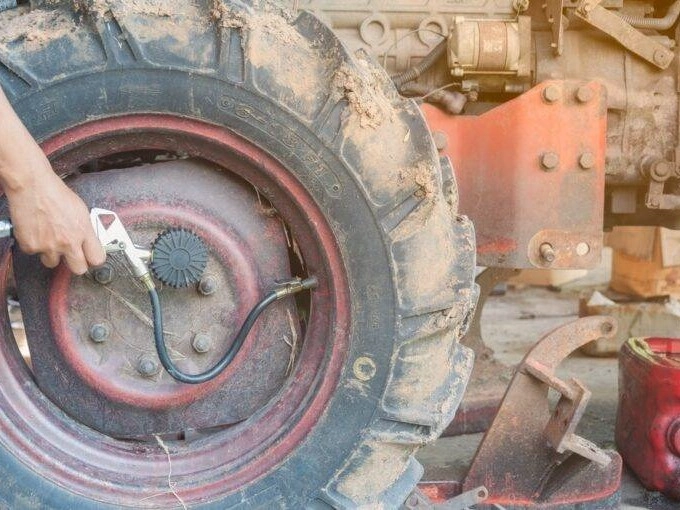
Tire pressure adjusted daily based on ground conditions. Lower pressures improve flotation in soft feedlots but invite sidewall cuts on sharp stubble. Higher pressures reduce rolling resistance on hard lanes yet increase slip risk on slopes. Visual checks for cuts or embedded objects prevent sudden flats during long hauls.
Grease applied to every zerks point daily or every eight hours of operation. Pins and bushings in the lift arms and articulation joint see the heaviest load—fresh grease pushed through until clean lubricant appears at the relief port. Old contaminated grease fully displaced prevents abrasive wear inside the joint.
Electrical and Battery Protection in Wet and Cold Conditions
Battery terminals cleaned monthly and coated with corrosion inhibitor. Cables inspected for fraying or loose connections that develop from vibration. Alternator output tested under load to confirm charging during long shifts. Machines parked under cover when possible reduce exposure to morning dew that accelerates terminal corrosion.
Daily and Weekly Quick Inspection Checklist
A ten-minute walk-around each morning catches emerging problems. Visual check for hydraulic leaks around cylinders and hoses. Listen for unusual noises during initial startup—grinding from joints or whining from pumps. Feel for hot spots on hoses or components after the first hour of work. Weekly deeper look includes checking fluid levels, greasing all points, and inspecting tire sidewalls for cuts.
Mid-Season Emergency Fixes and Common Failures
Overheating from dust buildup handled by immediate shutdown and air cleaning. Hydraulic sluggishness traced to low oil or restricted filter—top-off or quick filter swap restores response. Tire leaks patched with plug kits for temporary mobility until replacement arrives. Electrical no-start often traced to corroded battery cables—cleaning and tightening restores cranking power.
Post-Harvest Wrap-Up and Storage Preparation
Once harvest ends, thorough cleaning removes all crop residue. Hydraulic oil sampled for contamination—changed if dark or containing visible particles. Cooling system flushed if coolant appears cloudy. Tires inflated to storage pressure and machines parked on level ground to prevent flat spots. Covers placed over exposed cylinders protect seals from UV and weather.
Comparación de anexos y guía de compatibilidad
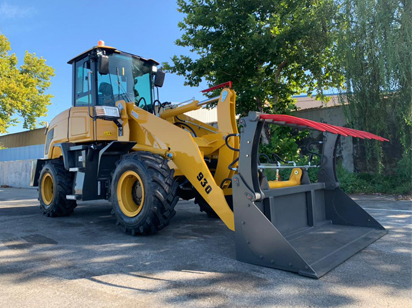
Smaller operations under 200 head focus maintenance on high-use systems—cooling and hydraulics. Mid-sized farms add tire and joint attention due to longer distances. Hezhong full-hydraulic compact loaders feature external grease points and clean routing that simplify daily checks and reduce contamination risk.
How to Build a 2026 Harvest Season Maintenance Plan for Your Farm or Livestock Operation
Start with the dominant task. Heavy silage handling requires daily radiator cleaning and weekly hydraulic filter inspection. Frequent bale moving calls for joint lubrication every shift. Dust level, daily hours, and attachment use dictate frequency. Maintenance log kept on paper or simple app tracks intervals and catches missed items.
Spare filters, hoses, and grease stocked in the shop prevent delays when parts houses close early during peak season. Operator training on quick visual checks improves early detection. Budget balances DIY routine care against dealer service for major items.
Acerca de Qingdao Hezhong Machinery Manufacturing Co., Ltd.
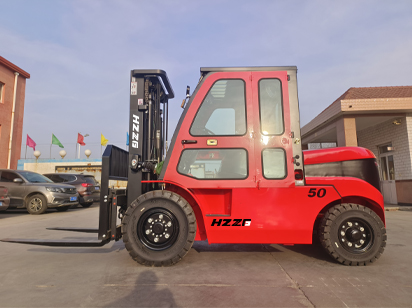
Desde 2007, Qingdao Hezhong Machinery Manufacturing Co., Ltd. has focused on compact machinery designed for agriculture, forestry, and livestock applications. The company operates from a 50,000-square-meter facility in Pingdu, Qingdao, with dedicated research, development, and production units. More than 400 employees, including 55 engineers specializing in innovation, support annual output exceeding 15,000 mini wheel loaders and forklifts.
The product line centers on diesel, gasoline, lithium-battery, and LPG-powered loaders of 3 tons and below, built with high-quality components and certified to CE, ISO 9001, ISO 16949, CCC, and other international standards. Customization accommodates specific working conditions, and exports reach Europe, Africa, Central Asia, North America, Russia, South America, and additional regions with professional technical and after-sales support.
Hezhong loaders feature European-style cabs with generous glass for excellent visibility, protective brake-line sleeves, external grease points for convenient service, clean hydraulic routing, automatic bucket leveling to reduce operator fatigue, reinforced structures for durability, fuel-efficient powertrains, ergonomic designs, and broad attachment compatibility.
Conclusión
Wheel loader maintenance during harvest season directly determines whether machines stay productive or sit idle when the farm needs them most. Consistent attention to dust control, hydraulic cleanliness, tire condition, joint lubrication, and electrical integrity keeps compact and full-hydraulic loaders reliable through the longest days. As herd sizes increase and harvest windows narrow in 2026, deliberate preventive care delivers the uptime that protects feed quality, animal welfare, and operational margins.
Preguntas frecuentes
How often should I clean the radiator on a wheel loader during harvest season?
Daily cleaning with compressed air at the end of each shift prevents dust buildup from causing overheating, especially in heavy silage or dry hay operations.
What hydraulic maintenance is most important for wheel loaders in fall harvest?
Check oil level cold every morning, monitor return filters for pressure drop, and change hydraulic filters early in the season to handle contamination from crop dust.
How do I protect wheel loader tires during harvest on stubble fields?
Monitor pressure daily—lower for soft ground flotation, higher for hard lanes—and inspect sidewalls for cuts from sharp stubble to avoid sudden flats.
Why do wheel loader batteries fail more often in harvest season?
Cold nights combined with long shifts drain capacity faster, and moisture on terminals causes corrosion; clean connections and test charging output weekly.
What quick checks should I do every day on a compact wheel loader during harvest?
Walk around to look for leaks, listen for unusual noises at startup, feel for hot spots after the first hour, and grease all zerks points before heavy use.