



Camine a cualquier almacén o patio de construcción hoy y es difícil imaginar el lugar funcionando sin carretillas elevadoras. Se tejen entre estantes, camiones de carga, líneas de producción de piensos, y en silencio deciden si los pedidos se envían a tiempo o no.
Pero... La historia de la carretilla elevadora En realidad es bastante joven. Hace poco más de un siglo, no había tenedores, paletes ni un “camión diésel de 3 toneladas” estándar entre el que elegir. Sólo había gente, carros y mucho levantamiento lento y duro.
Para los compradores B2B, esta historia no es solo una historia divertida. Explica por qué hoy en día se puede elegir entre carretillas elevadoras diesel, eléctricas, LPG y terreno áspero, y por qué fabricantes como Qingdao Hezhong Machinery Manufacturing Co., Ltd. construyen camiones de la manera que lo hacen.
Antes de las carretillas elevadoras: cuando el músculo era la principal fuente de energía
El manejo temprano de materiales era todo espalda y hombros
A finales del siglo XIX y principios del siglo XX, las fábricas ya estaban creciendo, pero la forma en que los bienes se movían dentro de ellas todavía era muy básica. Los trabajadores empujaban camiones manuales, arrastraban patinas o usaban elevadores simples para levantar cargas a poca distancia. Aún no había nada que llamarías "carretilla elevadora".
El primer paso lejos del músculo puro vino a principios del siglo XX cuando los ferrocarriles y las fábricas comenzaron a usar camiones de plataforma alimentados por baterías para mover equipaje y mercancías. Estos eran básicamente carros alimentados: sin mástil, sin tenedores, solo una plataforma plana que podía rodar bajo carga.
Útil, sí. Cambio de juego, todavía no.
La gran idea: levantar más de unos pocos centímetros
Poco después, los ingenieros comenzaron a hacer una pregunta diferente:
“¿Y si este pequeño camión motorizado no solo transportaba cargas, sino que también las levantaba lo suficientemente altas como para apilarse?”
Ese pensamiento empujó los diseños hacia la elevación vertical, primero una elevación modesta, luego mástiles más altos a medida que mejoraban los marcos de acero y la tecnología hidráulica. En la década de 1910, los primeros camiones elevadores estaban apareciendo en los almacenes, todavía torpes, pero claramente apuntando hacia la carretilla elevadora moderna.
Los años 1920-1940: las horquillas, los mástiles y las paletas cambian todo
Cómo apareció la forma moderna
A principios de la década de 1920, tres cosas comenzaron a unirse:
-
Másteres verticales que podrían elevar cargas a alturas reales de almacenamiento
-
Accesorios de horquilla que podrían deslizarse bajo cajas y plataformas
-
Paletes estandarizados, que hicieron posible tratar las mercancías como una unidad simple en lugar de cientos de cajas sueltas
A mediados de la década de 1920, un elevador con horquillas, un mástil y un contrapeso en la parte trasera parecería familiar para cualquier operador de hoy. Ese es el punto en que la historia de la carretilla elevadora pasa de los experimentos a algo como la máquina moderna.
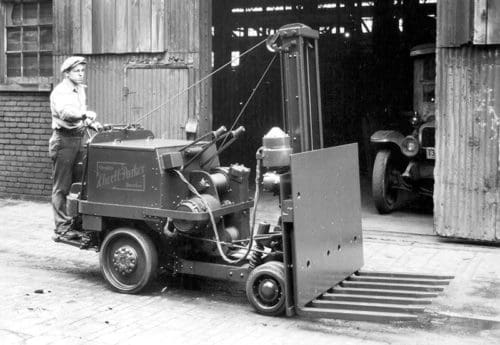
Segunda Guerra Mundial: Cuando las carretillas elevadoras se hicieron mundiales
Luego llegó la Segunda Guerra Mundial. De repente, grandes volúmenes de municiones, alimentos y equipos tuvieron que moverse a través de los océanos y a través de puertos a alta velocidad. Las paletas más carretillas elevadoras eran perfectas para ese trabajo.
Durante los años de guerra:
-
El uso de paletas explotó
-
Almacenes y depósitos fueron rediseñados alrededor de cargas paletizadas
-
Las carretillas elevadoras se convirtieron en equipo estándar en logística militar, no en un lujo
Después de la guerra, esas mismas ideas siguieron a los soldados a casa y se extendieron a fábricas civiles y centros de distribución. Las carretillas elevadoras dejaron de ser “nueva tecnología” y se convirtieron en la forma normal de mover mercancías.
A partir de la década de 1950: más alto, más seguro, más limpio
Alcanzar más alto en pasillos más estrechos
El crecimiento de la posguerra trajo almacenes más altos y más estanterías. Las montacargas tuvieron que responder:
-
Los mástiles crecieron más altos y más estables
-
Los marcos y contrapesos fueron refinados para un mejor equilibrio
-
Los diseños de pasillo estrecho y tipo de alcance parecían presionar más almacenamiento en la misma huella
Las carretillas elevadoras eléctricas ganaron tracción en interiores a medida que mejoraba la tecnología de la batería y el motor, lo que las hizo más silenciosas y limpias que los camiones de combustión interna, especialmente importantes en entornos alimentarios y farmacéuticos.
Seguridad y emisiones al frente
A partir de la década de 1960, los reguladores y las empresas se centraron más en:
-
Seguridad del operador: protectores de cabeza, mejores frenos, controles más claros
-
Emisiones: motores más limpios y mejor ventilación en interiores
-
Ruido y vibraciones: menos esfuerzo para los conductores durante un turno completo
Esta es la base de la cabina moderna: no solo un lugar para sentarse, sino un entorno de trabajo controlado donde el conductor puede realizar largos turnos sin estar desgastado.
Hoy en día: carretillas elevadoras diesel, eléctricas, LPG y terreno duro
Rápido adelante a ahora, y la idea básica de una carretilla elevadora No ha cambiado, pero las opciones sí.
Múltiples opciones de potencia
Las flotas modernas suelen mezclar varios tipos:
-
Elevadoras elevadoras diesel para cargas exteriores pesadas, turnos largos y terrenos más duros
-
Elevadoras elevadoras eléctricas para trabajos interiores limpios y silenciosos y manejo preciso
-
Elevadoras elevadoras de GPL donde un camión necesita moverse entre trabajos interiores y exteriores
-
Carreteras elevadoras de terreno duro para la construcción, la minería y los patios no asfaltados
Esta variedad es el resultado lógico de todo lo que sucedió en los últimos 100 años de la historia de la carretilla elevadora: cada tipo resuelve un problema ligeramente diferente.
La comodidad y el control son ahora características fundamentales
Además del tipo de potencia, mucha ingeniería ahora se centra en cómo se siente conducir una carretilla elevadora:
-
Cabinas ergonómicas que reducen la fatiga en largas jornadas
-
Diseños de bajo ruido y baja vibración
-
Sistemas hidráulicos sintonizados para una elevación suave y precisa, no solo a velocidad bruta
Por ejemplo, los diseños modernos pueden utilizar sistemas de freno mejorados con brazos de freno más largos que reducen el esfuerzo del pedal en aproximadamente un 10% mientras aumentan el rendimiento de frenado en aproximadamente un 20%. Eso suena como un pequeño ajuste en el papel, pero en miles de paradas en un patio ocupado, los operadores sienten la diferencia.
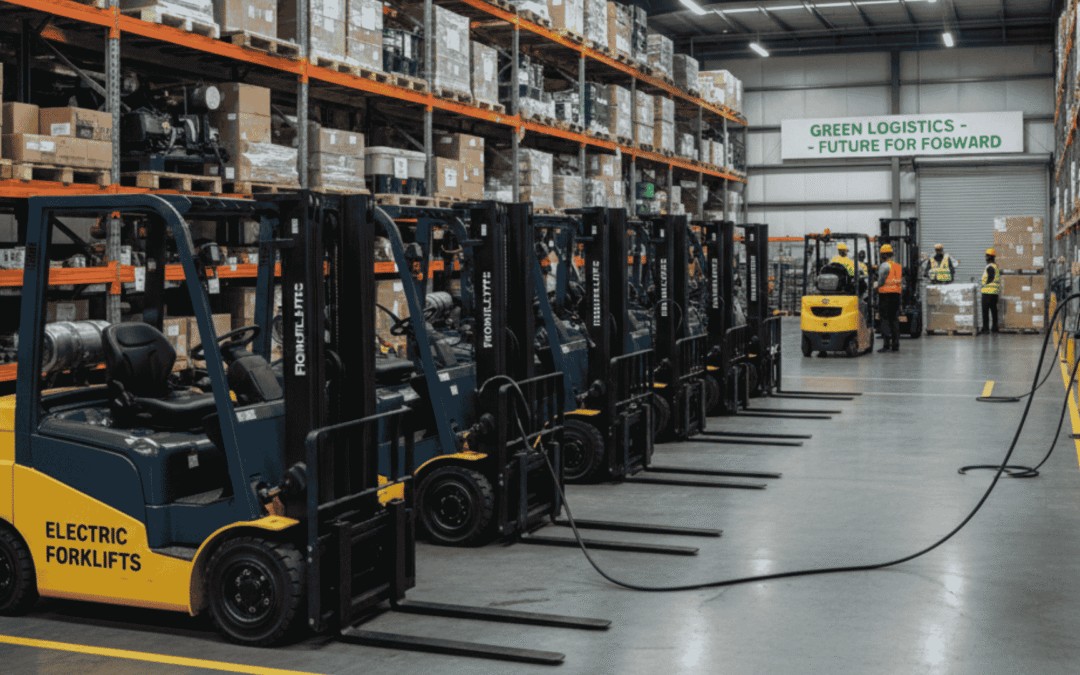
Cómo se ve esta historia en una carretilla elevadora moderna (el caso de Hezhong)
Del concepto al hardware real
Aquí es donde entra Qingdao Hezhong Machinery Manufacturing Co., Ltd. La compañía se sienta en el extremo agudo de la historia, tomando un siglo de prueba y error y convirtiéndolo en camiones que trabajan todos los días en patios y almacenes.
Hezhong construye:
-
Elevadoras elevadoras diesel para cargas exteriores pesadas
-
Elevadoras elevadoras eléctricas para trabajos interiores más limpios
-
Elevadoras elevadoras a GPL para entornos mixtos
-
Elevadoras elevadoras de terreno duro para sitios de construcción y terreno desigual
Detrás de esas etiquetas de productos, hay bastante detalle de ingeniería, gran parte dirigida a exactamente los puntos de dolor de los que se quejan los operadores.
Ejemplos que puedes sentir en el uso diario
Por tu parte como comprador, algunas de las actualizaciones son especialmente relevantes:
-
Mayor capacidad de carga y elevación más rápida: diseños que aumentan la capacidad de carga y la velocidad de elevación/reducción en aproximadamente un 10%, lo que abre directamente los ciclos de carga y hace que los camiones giren más rápido.
-
Motores sintonizados para el trabajo de la carretilla elevadora: motores diésel de inyección directa con alto par a bajas revoluciones, ocio estable y menor consumo de combustible, construidos específicamente alrededor de los ciclos de trabajo de la carretilla elevadora en lugar de uso industrial genérico.
-
Marcos integrados sin pernos: marcos soldados de una sola pieza con una resistencia aproximadamente un 20% mayor, por lo que la carretilla elevadora puede manejar metros desiguales y largas carreras en hormigón doblado o inclinado sin que el chasis se gire o afloja.
-
Comodidad del operador: espacio de operación ampliado, diseño ergonómico y reducciones de ruido/vibración (por ejemplo, cojines de reducción de ruido y aislamiento que reducen las vibraciones en alrededor del 20% y el ruido en varios decibelos).
-
Refrigeración e hidráulica: radiadores y enfriadores de aceite mejorados que aumentan la eficiencia del intercambio de calor en un 15-30%, y sistemas hidráulicos con dirección de bajo par para reducir el esfuerzo de dirección en aproximadamente un 16%.
Esos números pueden leerse como líneas de folletos, pero son muy prácticos si alguna vez has visto un camión sobrecalentarse a mitad de turno, o has visto a un operador luchando contra la dirección pesada en espacios estrechos.
Un vistazo rápido a Qingdao Hezhong Machinery Manufacturing Co., Ltd.
Qingdao Hezhong Machinery Manufacturing Co., Ltd. (a menudo visto como HZZG en materiales ingleses) fue fundada en 2007. La sede y las fábricas de la compañía se encuentran en el área de Qingdao cerca de la bahía de Jiaodong, cubriendo más de 50.000-100.000 metros cuadrados dependiendo del sitio, con líneas de producción para cargadoras de ruedas, carretillas elevadoras y accesorios.
Algunos puntos que importan para los compradores B2B:
-
La empresa ejecuta múltiples fábricas y una I& D centro con ingenieros dedicados enfocados en cargadoras y carretillas elevadoras.
-
La capacidad anual es superior a 15.000 mini cargadoras y carretillas elevadoras, con máquinas enviadas a docenas de países.
-
Los productos cumplen con las principales certificaciones como CCC, ISO 9001, ISO 16949 y CE, lo que es importante si está vendiendo o operando en diferentes mercados reguladores.
En resumen, Hezhong no está escribiendo un libro de historia; Está escribiendo en silencio el próximo capítulo del desarrollo de carretillas elevadoras aplicando estas ideas de diseño a los camiones que aterrizan en su patio.
Conclusión
Si haces zoom, La historia de la carretilla elevadora Es sorprendentemente sencillo:
-
Los primeros carros impulsados resolvieron el transporte básico.
-
Los tenedores, mástiles y palets los convirtieron en máquinas de apilamiento reales.
-
La guerra y el comercio global los obligaron a entrar en todos los almacenes y puertos.
-
La seguridad, la comodidad y las emisiones las convirtieron en las carretillas elevadoras refinadas de diésel, eléctrico, GPL y terreno duro en las que confiamos hoy en día.
Para usted como comprador o gerente de flota, el valor de esa historia es práctico. Explica por qué hay tantos tipos de carretillas elevadoras en el mercado y le ayuda a elegir los que realmente se adapten a sus cargas, su terreno y sus horas de trabajo. Y muestra por qué un constructor moderno como Qingdao Hezhong Machinery Manufacturing Co., Ltd. pasa tanto tiempo en detalles, frenado, marcos, refrigeración, hidráulica, comodidad de cabina, porque ahí es donde todos esos años de evolución aparecen en el trabajo ... o no.
Preguntas frecuentes – Preguntas prácticas sobre la historia de la carretilla elevadora
Estoy ocupado manejando un almacén. ¿Por qué debería preocuparme por la historia de la carretilla elevadora?
No necesitas fechas para descargar un camión, pero la historia de la carretilla elevadora explica por qué hay tantas opciones delante de ti ahora. Las primeras máquinas eran ruidosas, básicas y no muy seguras. Con el tiempo, diferentes problemas empujaron el diseño en diferentes direcciones: estantes altos, aire más limpio en el interior, sitios de trabajo duros al aire libre. Cuando entiendes eso, es más fácil mirar a tu propio sitio y decir: “Vale, esta zona necesita electricidad, esa parte del patio realmente necesita diésel o terreno áspero”.
¿Cuándo empezaron las carretillas elevadoras a parecerse a las que usamos hoy en día?
La mayoría de la gente señala la década de 1920 como el punto de inflexión. Fue entonces cuando los elevadores motorizados, mástiles verticales, tenedores y palets se unieron en un solo paquete. Antes de eso, tenías carros alimentados y levantadores simples; después de eso, tenías algo que reconocerías como una carretilla elevadora de contrapeso moderna. En cualquier línea de tiempo de la historia de la carretilla elevadora, esa década es donde la forma realmente se establece.
¿Qué cambió realmente la Segunda Guerra Mundial para las carretillas elevadoras?
En términos simples: volumen y velocidad. Durante la guerra, grandes cantidades de suministros tuvieron que moverse rápidamente a través de puertos, almacenes y depósitos. Las carretillas elevadoras y las paletas convirtieron lo que solía ser una cadena de personas en un solo conductor que manejaba cargas de unidades enteras. Esa experiencia demostró lo poderosa que era la combinación, y después de la guerra las mismas ideas fluyeron directamente a la logística civil. Es por eso que la mayoría de las historias modernas dicen que la Segunda Guerra Mundial es el momento en que la historia de la carretilla elevadora cambió de nicho a corriente principal.
¿Cómo aparece esta historia en las carretillas elevadoras que Hezhong está construyendo ahora?
Puedes ver la historia en los detalles. El diseño básico, un contrapeso, mástil y tenedores, está directamente fuera de los primeros días. Pero la forma en que Qingdao Hezhong Machinery Manufacturing Co., Ltd. se construye alrededor de eso ha sido moldeada por todo lo aprendido desde entonces: motores sintonizados para el trabajo de carretilla elevadora, marcos que son más fuertes para terrenos ásperos, mejor enfriamiento para sobrevivir a largos turnos y cabinas diseñadas para que los conductores no se sientan arruinados al final del día. Esa mezcla de diesel, eléctrico, GPL y modelos de terreno áspero es la respuesta moderna a un siglo de problemas del mundo real.
¿El diseño de las carretillas elevadoras está básicamente terminado, o seguirá cambiando?
Todavía se mueve. Si sigues la historia de la carretilla elevadora, los siguientes capítulos ya son visibles: más opciones eléctricas y de batería, motores más limpios, sistemas hidráulicos y de refrigeración más inteligentes y más soporte electrónico para los conductores. La idea central, un camión compacto que levanta y desplaza cargas pesadas a distancias cortas, no desaparecerá. Pero lo silencioso que funciona, lo poco combustible que quema y lo amigable que se siente conducir seguirán cambiando, un pequeño ajuste de ingeniería a la vez.


