
El costo real de ese pozo en el piso de su almacén
Seamos honestos: nadie entra en un almacén, ve un charco de líquido hidráulico debajo de una carretilla elevadora estacionada y piensa, “ Eso no es gran cosa. ” Todos sabemos lo que significa ese punto. Significa tiempo de inactividad. Significa un peligro de seguridad que OSHA odia. Y sobre todo, significa que estás perdiendo dinero cada segundo que la máquina está ’ t levantar una paleta.
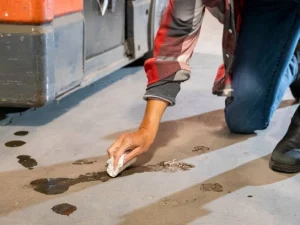
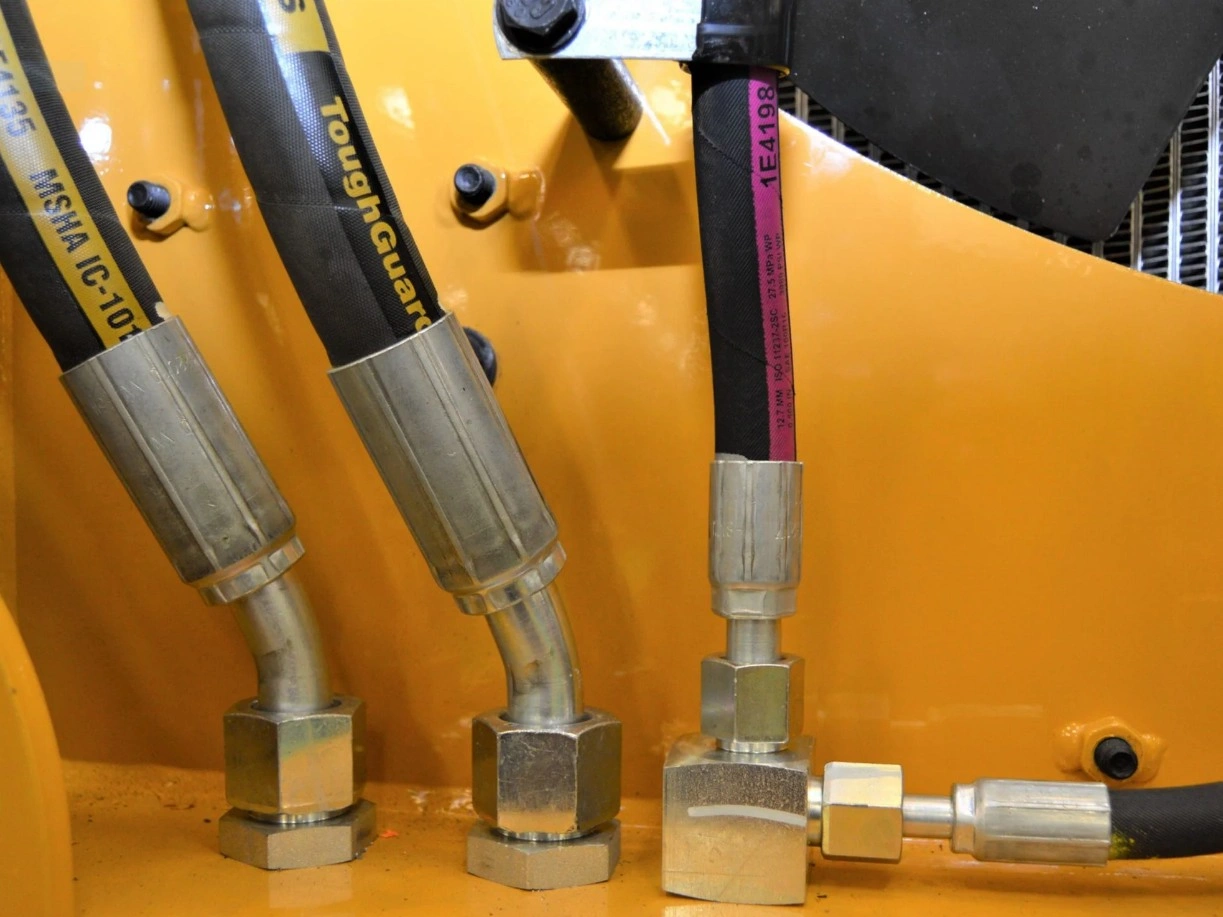
En este negocio, el sistema hidráulico es el músculo de su operación. Si el motor es el corazón, la hidráulica son los brazos y las piernas. Cuando pierdes presión, pierdes la capacidad de trabajar. He visto a los gerentes de flota ignorar un “ llorar” cilindro durante semanas porque no’ t quiere sacar la unidad de la línea. Avance rápido un mes, y esa fuga menor de sello se convirtió en una barra de pistón y una bomba contaminada, convirtiendo un reemplazo de sello de $ 50 en una catástrofe de $ 2,000.
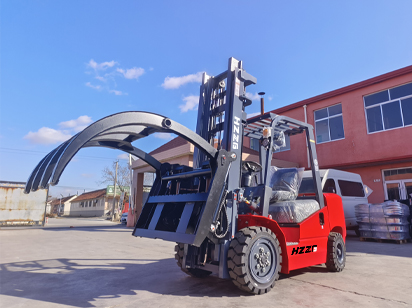
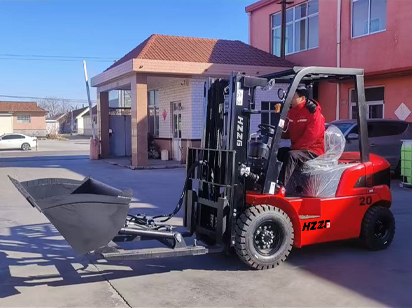
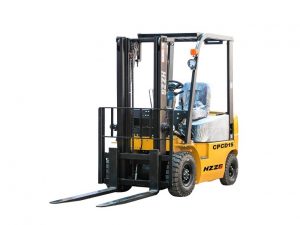
La realidad es que las fugas hidráulicas rara vez son solo sobre el aceite. Son un síntoma de algo más que va mal, ya sea el abuso del operador, el mal mantenimiento de fluidos o sellos que simplemente no podrían hacerlo. T toma el calor. Si está ejecutando equipos serios, como el pesado Camión elevadora Hezhong equilibrioEsperas que funcione, pero incluso el mejor hierro necesita el cuidado adecuado. En esta guía, estamos’ t solo va a hablar sobre cómo intercambiar un sello; Vamos a investigar por qué ocurren estas fugas y cómo puede dejar de perseguir su cola con reparaciones.
¿Qué sucede realmente dentro del cilindro?
Para arreglarlo, tienes que entenderlo. No’ No necesitas un título en física, pero sí necesitas saber qué mantiene ese aceite dentro. Un cilindro hidráulico es básicamente un recipiente a presión. Tienes una varilla de pistón que se mueve dentro y fuera de un barril miles de veces por turno.
La magia ocurre en “ glándula” La cabeza del cilindro. Aquí es donde la barra sale del barril. Dentro de esa glándula, tienes una pila de sellos trabajando juntos.
-
El limpiaparabrisas: Este es el guardián de la puerta. Su trabajo es raspar la suciedad y el polvo de la varilla a medida que se retrae para que el grano no’ t entrar dentro del aceite. Si tu limpiaparabrisas se rompen, la guerra ya está perdida.
-
El sello de varilla: Esto hace el levantamiento pesado. Retiene el fluido de alta presión. Si ves aceite goteando por la barra de cromo, este sello es tostado.
-
El sello tampón: Esto se sienta detrás del sello de varilla y lo protege de picos de presión masivos, como cuando un operador deja caer una carga demasiado rápido.
Entonces tienes el Sello de pistón profundo dentro. Usted puede’ Ver esta. Si falla, el aceite pasa por alto la cabeza del pistón internamente. La varilla no se filtrará en el piso, pero sus tenedores “ deriva” o hundirse lentamente al sostener una carga. Eso es una fuga fantasma, y es igual de peligroso.
Por qué los buenos cilindros van mal: los sospechosos habituales
He derribado cientos de cilindros, y la causa del fallo casi siempre cae en uno de los tres cubos. Raramente es un “ pieza defectuosa” Normalmente es como se trata esa parte.
El “ Papel de lija” Efecto (contaminación)
El fluido hidráulico debe estar lo suficientemente limpio como para comer. Pero en un almacén, el polvo está por todas partes. Si su tapa respiratoria está obstruida o alguien usó un embudo sucio para llenar el tanque, usted ha introducido grano en el sistema. Esas partículas microscópicas quedan atrapadas entre el sello y la barra de cromo. Cada vez que el cilindro golpea, ese grano actúa como papel lijado. Se come el labio de foca vivo. Una vez que el labio se ha ido, el aceite sigue.
Daño a la varilla: la cicatriz que mata
Ve a ver tus carretillas elevadoras. Ejecute su uña a lo largo de la varilla de pistón de cromo (con seguridad, cuando está apagada). Si tu uña se atrapa en un arañazo, una pinza o un pozo de oxido, ese cilindro es una bomba a reloj. Un punto áspero en la varilla actúa como un cuchillo dentado. Puedes poner el sello más caro y de alta tecnología del mundo en esa máquina, y ese rasguño la abrirá en cinco minutos. Esto suele suceder por impactos laterales, golpeando el mástil contra las estanterías o dejando a las máquinas fuera donde la humedad atrapa el cromo.
Cocinar los sellos (calor)
La hidráulica funciona caliente. Pero si corren demasiado caliente, digamos, más de 180 ° F, las cosas se vuelven feas. Los materiales de sellado estándar como el caucho de nitrilo comienzan a hornear. Perden su estiramiento. En lugar de ser gomosos y compatibles, se convierten en plástico duro. Un sello duro no puede seguir la forma de la varilla, y el fluido se desliza justo más allá. Esto sucede cuando trabaja una máquina más allá de su ciclo de trabajo o si el sistema de enfriamiento está obstruido con peluche de almacén.
Solución de problemas: No’ t Adivinar, Diagnóstico
Antes de pedir piezas, detenga. He visto a chicos reemplazar un cilindro de $ 500 porque pensaban que estaba fugando, solo para descubrir más tarde que era una manguera suelta de $ 20 que gotea sobre el cilindro.
Paso 1: La limpieza Toma un poco de desengrasador y trapos. Limpia el cilindro hasta que parezca nuevo. Usted puede’ t rastrear una fuga a través de capas de lodo de grasa.
Paso 2: La prueba del ciclo Ponga en marcha la máquina. Levanta las horquillas hasta el límite (con seguridad) y manténgala contra la válvula de alivio durante un segundo. Luego bajalo. Hazlo algunas veces. Observe el área de la nuez de la glándula.
-
¿Aceite que viene del limpiaparabrisas? Su sello de varilla está soplado.
-
¿Aceite procedente de los hilos de la cabeza del cilindro? El anillo tórico estático en la glándula es disparado.
-
No hay aceite, pero los tenedores están cayendo? Es una falla interna del sello del pistón.
Paso 3: El “ Dedo” Prueba Revise de nuevo la superficie de la barra. Si la varilla se dobla o se mueve, no solo vuelva a sellarla. Repito: no solo vuelva a sellarla. Estás perdiendo tu tiempo. Una varilla dañada matará al nuevo sello inmediatamente. Si las piezas duras están mal, necesita un cilindro nuevo o un taller de máquinas.
La Decisión: Kit de Reconstrucción vs. Nuevo Hierro
Esta es la pregunta que cada gerente de mantenimiento me hace: “ ¿Vale la pena arreglarlo? ”
Aquí está mi regla de pulgar. Si la máquina es relativamente nueva y la barra de cromo es perfecta (acabado espejo, sin arañazos), compre un kit de sellado. Es barato, y si tienes un mecánico decente, pueden cambiarlo en el banco en una hora.
Pero, si la varilla está perforada, o si el barril del cilindro parece inflado (lo que sucede por sobrecarga), tirándolo en la basura. El costo de mano de obra para derribarlo, afinar el barril y volver a cromar la varilla a menudo cuesta más que simplemente comprar una unidad de reemplazo. Además, con una unidad nueva, obtiene una garantía.
Si está ejecutando una flota mixta, la estandarización ayuda. Equipo de alta calidad, como los modelos encontrados en el Centro de producto HezhongEstá diseñado con la facilidad de servicio en mente. Cuando compra de un fabricante que utiliza componentes estándar y de alta calidad, encontrar un kit de sellado cinco años después es mucho más fácil que buscar piezas para algunos “ Máquina misteriosa. ”
Prevención: Cómo mantener el suelo seco
¿Quieres detener las fugas? Cambia tus hábitos.
Los carritos de filtro son tus amigos: No’ t simplemente verter aceite de un cubo en el tanque. Usa un carro de filtro. Nuevo aceite de un tambor es’ t en realidad “ limpiar” suficiente para la hidráulica de alta presión.
El Pre-Shift Walk: Haga que sus operadores miren los cilindros. Si ven un corte en el cromo, necesitan informarlo. Una pequeña rebaja puede ser archivada suavemente antes de matar el sello. Si lo ignoran, se convierte en una fuga.
Deja de bajar: Enseñe a los operadores a no golpear las horquillas a la parte superior o inferior del rango de elevación a toda velocidad. Eso “ bang” ¿Escuchas? Ese es un pico de presión tratando de soplar los sellos fuera de la glándula.
Los asuntos de fabricación: la diferencia de Hezhong
Muchos problemas hidráulicos comienzan en la fábrica. Si las tolerancias son’ t apretado, o si el metal es’ t derecho tratado térmicamente, usted’ luchando una batalla perdida. Aquí es donde importa la fuente de su equipo.
Tome Qingdao Hezhong Machinery Manufacturing Co., Ltd. por ejemplo. Estamos’ t solo montar piezas; Somos soluciones de ingeniería. Hemos estado en esto desde 2007, operando desde el Parque Industrial Ashes en Pingdu, Qingdao. Cuando tienes una instalación que cubre 50.000 metros cuadrados y un equipo de más de 400 personas, estás ’ t adivinar.
Contamos con 55 ingenieros dedicados específicamente a la innovación de productos. Esto significa que cuando diseñamos el sistema hidráulico para nuestro Serie CPY o el Cargadoras de ruedas ZL, estamos calculando las cargas de tensión, la expansión térmica y la compatibilidad del sello mucho antes de que el metal se corte. Producimos más de 15.000 unidades al año, y cada una tiene que pasar estrictos controles de calidad como ISO 9001 y CE.
Creemos en la filosofía que “ La tecnología produce calidad” Por eso nuestros cilindros se mantienen en el polvo de un ladrillero o en el calor de una fundición. Los construimos para manejar el abuso porque sabemos cómo es el mundo real. Si quieres ver exactamente cómo los construimos, echa un vistazo a la Acerca de nosotros página. Damos la bienvenida a los socios para visitar la fábrica, viendo la línea de montaje generalmente responde a cualquier pregunta sobre la calidad.
Conclusión
Las fugas hidráulicas son un dolor, pero son manejables. Se reduce a la disciplina. Mantenga su aceite limpio, mantenga sus varillas lisas y arregle los pequeños llantos antes de que se conviertan en gushers. Y cuando llegue el momento de comprar equipo nuevo, busque fabricantes que pongan tanto pensamiento en la ingeniería hidráulica como hacen el trabajo de pintura. Su presupuesto de mantenimiento le agradecerá.
Si necesita ayuda para actualizar su flota a algo que se mantenga seco y siga levantando, póngase en contacto con nosotros en maquinaria HezhongHemos estado ayudando a las empresas a mover cargas pesadas durante casi dos años, esperen, casi dos décadas. (Desde 2007, para ser exactos).
Preguntas frecuentes (FAQ)
Q1: ¿Por qué mi carretilla elevadora se desvía cuando dejo una carga levantada durante la noche?
Casi siempre es una fuga interna, no externa. El fluido pasa por el sello del pistón dentro del cilindro, moviéndose del lado de alta presión al lado de baja presión. También podría ser una válvula de control que es’ t sentarse perfectamente. De cualquier manera, es un riesgo de seguridad. Debes realizar un “ prueba de bypass” para ver si el cilindro es el culpable. Si lo es, un kit de sellado generalmente lo arregla.
Q2: ¿Puedo seguir recargando el fluido hidráulico en lugar de arreglar la fuga?
Es decir, puedes, pero es una idea terrible. Primero, el fluido hidráulico es’ t barato. En segundo lugar, si el aceite está saliendo, la suciedad está entrando. Al ignorar la fuga, está dejando que los contaminantes entren en el sistema, lo que eventualmente destruirá su bomba hidráulica principal y las válvulas de control. Una reparación de sello de $ 100 hoy evita un fallo de bomba de $ 3,000 el mes que viene. No’ t paso sobre un dólar para recoger un centavo.
Q3: ¿Cómo sé si mi fluido hidráulico es “ malo”?
El líquido fresco suele ser transparente y ámbar (como la miel). Si parece lechoso, tienes agua en él (malo para las focas). Si se ve negro o huele a tostada quemada, se oxida por sobrecalentamiento. Si frotas una gota entre tus dedos y se siente arenosa, tienes contaminación de partículas. Cualquiera de estos signos significa que necesita un lavado y llenado inmediatamente.
Q4: ¿Es seguro usar una cinta sellante en accesorios hidráulicos?
Sea muy, muy cuidadoso aquí. Los mecánicos profesionales generalmente evitan la cinta de teflón en roscas hidráulicas porque si un pequeño trozo de esa cinta se rompe, viaja aguas abajo y obstruye un orificio de válvula. Es’ Es mejor usar sellador de rosca hidráulico líquido o, aún mejor, confiar en el anillo tórico y los accesorios JIC diseñados para sellar sin gota adicional. Si usted tiene una carretilla elevadora Hezhong, adherirse a los métodos de sellado del OEM encontrados en el manual de servicio.
Q5: Mi varilla de cilindro tiene una pequeña muesca. ¿Puedo archivarlo?
Si la muesca es pequeña y tiene una rebaja afilada que se pega, sí, debe aplazarla suavemente con una piedra fina o un paño de emery para suavizarla. Quiere quitar el borde afilado que corta el sello. Sin embargo, si la muesca es profunda, todavía retendrá un bolsillo de aceite que evitará el sello de limpiaparabrisas cada vez que golpee. Alisarlo le compra tiempo, pero eventualmente, esa varilla necesita ser reemplazada.