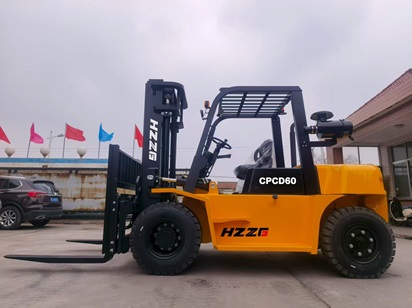

Elevadoras elevadoras eléctricas serve as vital tools in today’s warehouse operations. They excel due to their strong performance, eco-friendly nature, and smart design. As logistics tasks shift toward automation and data-based methods, electric forklifts provide traits that match these needs well.
Energy Efficiency and Environmental Impact
Electric forklifts use much less power than models with internal combustion engines. They run on electricity from batteries that recharge easily. This cut in energy use leads to smaller running expenses and a lighter impact on the environment. They produce no exhaust fumes. That makes warehouses cleaner and safer. Good air quality matters a lot in closed areas. It directly influences workers’ well-being. Plus, the smart energy use of electric forklifts lowers the full cost of owning them over years. Electricity tends to cost less than fuels from fossils. Their low noise levels also cut down on sound disturbances. This creates a nicer space for work. In turn, it boosts how much workers get done.
Technological Advancements in Electric Forklifts
Today’s electric forklifts include fresh tech that boosts accurate work and links to other systems. They connect smoothly with warehouse management systems (WMS). This setup lets managers track forklift actions, stock shifts, and output stats right away. Such links give useful data to improve daily tasks. They help cut down on wasted time. Smart sensors add to safety. These detect barriers and slow down or halt the machine to avoid crashes. Auto features like self-guiding paths and weight sensing raise output by limiting mistakes from people. Also, better battery tech, especially lithium-ion types, stretches work time. It shortens recharge periods. These batteries need little upkeep unlike old lead-acid ones. Operators can charge them quickly during short pauses. This keeps downtime low.
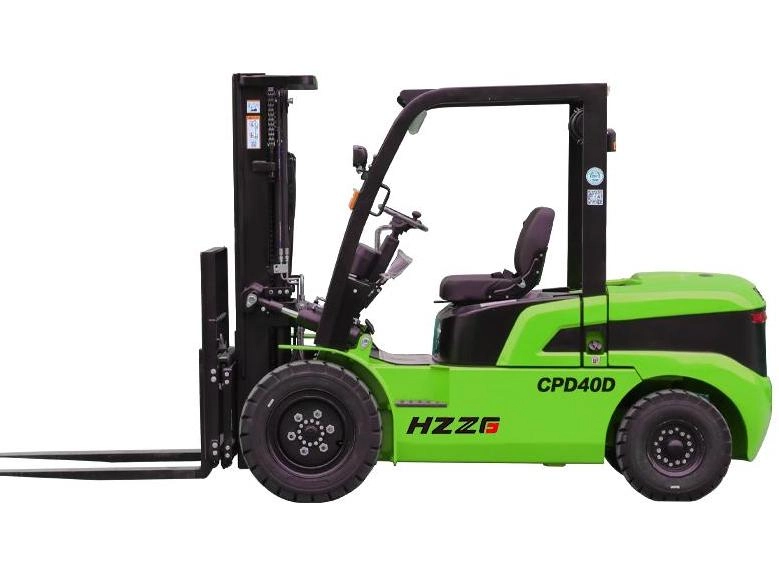
How Do Electric Forklifts Enhance Warehouse Management Efficiency?
Electric forklifts play a key role in making material handling smoother in warehouses. Their exact control setups and flexible design make them essential for busy tasks. These demand steady and quick work.
Streamlining Material Handling Processes
Electric forklifts allow quicker speeds without risking safety or correctness. Their even start-up and stop systems let drivers move well in tight paths or busy spots. Exact handling lowers chances of harm to goods during lifts or stacks. This proves vital for fields with delicate or pricey items. Moreover, electric forklifts can add tools like grips, turners, or side movers. These handle various loads from pallets to coils or barrels with ease. Such options support adaptable storage setups. They fit shifts in stock kinds without extra gear buys.
Reducing Maintenance Requirements
Electric forklifts feature fewer parts that move than combustion types. This results in less upkeep and longer check-up gaps. They lack items like motors, gear boxes, or fume pipes. So, there are fewer breakdowns or oil problems to fix. Tech for foreseeing upkeep uses built-in checks. It watches things like battery state and engine heat live. These alert drivers before small issues turn into big, expensive stops. Thus, lost time drops. Operations run without breaks during high-demand times. The steady nature of electric forklifts raises active periods. It lifts output in all warehouse tasks.
Why Choose Qingdao Hezhong Machinery Manufacturing Co., Ltd.?
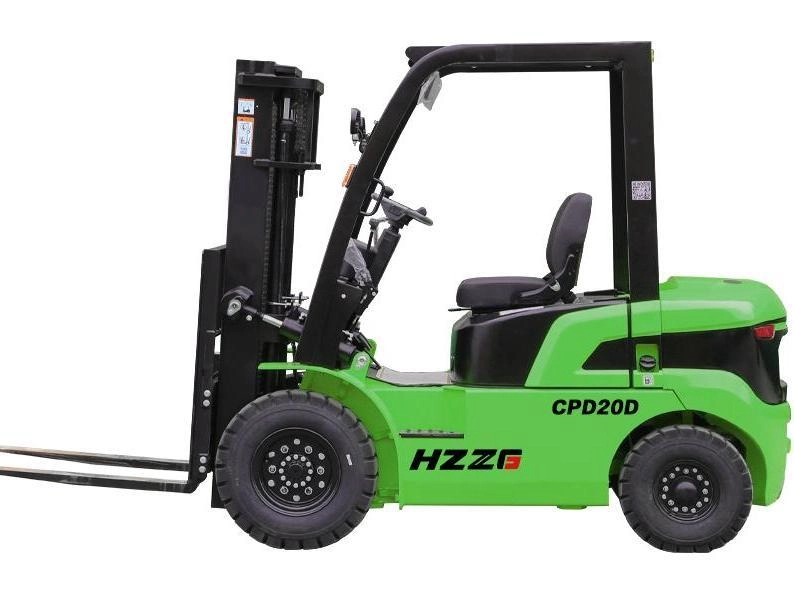
Qingdao Hezhong Machinery Manufacturing Co., Ltd. leads in making electric forklifts. It focuses on fresh ideas and solid build quality. The firm’s goods fit the changing wants of current warehouses. These seek strong solutions for moving materials.
Commitment to Quality and Innovation
Qingdao Hezhong Machinery Manufacturing Co., Ltd. applies the latest tech in its making steps. This ensures top work and lasting strength in its machines. Its lineup covers many electric forklift types for varied uses. Some are small for slim paths. Others handle big weights well. Each one focuses on ease for users. It keeps comfort high during long hours. At the same time, it holds sharp handling skills. The firm’s dedication goes past building. It offers full help to buyers. This includes setup tips, skill classes, fix support, and post-sale aid. All aim to stretch machine life and work flow.
What Are the Challenges Faced When Implementing Electric Forklifts?
The gains from using electric forklifts are clear and large. Yet, moving from old fuel-based units brings hurdles. Groups must tackle these with careful plans.
Initial Investment Costs
A main hurdle is the bigger starting price for electric forklifts versus diesel or LPG ones. Still, this early outlay gets balanced later. Savings come from less power use, cheaper fixes, and rare part swaps. Firms should look at full ownership costs. They must not just eye the buy price. When checking return on investment (ROI), this view helps. After a few years, gains from no fuel needs often top the first cost gaps.
Infrastructure Requirements
Setting up a group of electric forklifts calls for proper power setups in the building. Stores need room for charge points. These must follow rules on air flow and power limits for safety. Based on group size and work times, extra power line changes might be needed. This handles more load without messing other tools. Smart planning of charge times works best. Options include nights or shift switches. This keeps work flowing. It ensures all units have enough power each day.
Conclusión
Electric forklifts mark a big change in warehouse oversight. They mix smart power use with clever tech ties. They raise output via sharp control tools. At the same time, they aid green goals with no-fume runs. Firms like Qingdao Hezhong Machinery Manufacturing Co., Ltd. stress new designs and trust. They help push this shift to cleaner logistics ways. These match worldwide aims for lasting practices.
Preguntas frecuentes
What are the primary benefits of using electric forklifts over traditional ones?
Electric forklifts bring better power savings, fewer fumes, lower fix expenses, and smoother ties to current warehouse management systems.
How does battery technology impact the performance of electric forklifts?
New steps in battery tech yield more work hours, quicker recharges, and less stop time. These boost total work greatly.
Are there any specific considerations for warehouses switching to electric forklifts?
Stores should think about setup shifts like adding charge spots and checking power supply. They also weigh long-term gains against first costs.